
 Connexion
Ukraine’s new top commander is pushing to unwind a Soviet-inherited command model mid-war. He wants combat-tested sergeants to have real authority
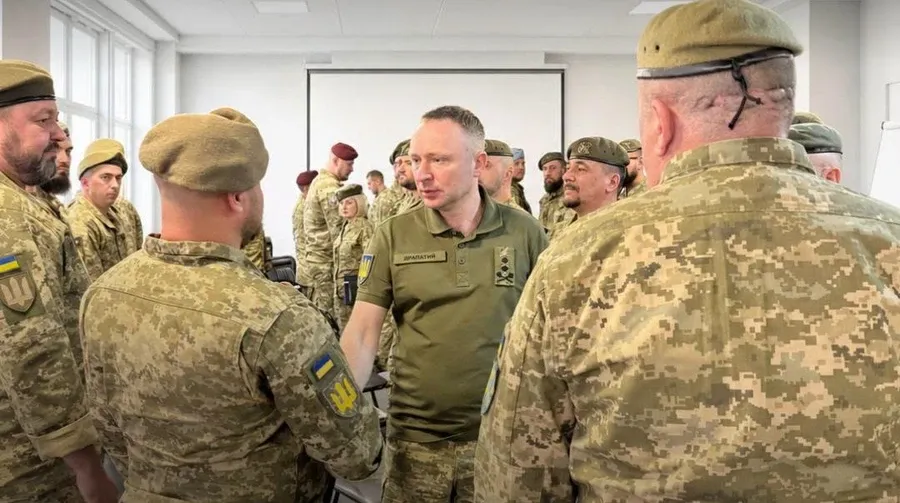
Ukraine's new top commander wants the army's combat-tested sergeants to have real careers, real authority, and clear paths to promotion — not just a role training recruits. Commander-in-Chief Mykhailo Drapatyi has met the senior sergeants of the force's branches, corps, and command bodies and set concrete steps to reform the sergeant corps, saying most had come straight from combat zones, Texty reported.
The push targets an old weakness. Ukraine inherited its rank system from the Soviet army in 1991 — a centralized model in which officers decided almost everything and sergeants were little more than senior soldiers, with no authority or career ladder of their own. A 2020 reform law began to change that by aligning the system with NATO standards, making the sergeant an independent figure.
Drapatyi, who became commander-in-chief in July 2026 with a mandate to carry that overhaul forward and a reputation for favoring decentralized command, is now pressing it directly.
Sergeants outgrow the training role
The sergeant's job long ago stopped being only about preparing troops, Drapatyi said. Sergeants now settle new arrivals into combat areas, handle supply and equipment, ready personnel for tasks, and command them directly in battle.
"A sergeant was a soldier yesterday. Today, he is a commander who is closest to the soldier and sees the real state of the unit on the ground best of all," Drapatyi said.
Drapatyi assigns the reform tasks
The meeting worked through the structure of the corps, the split of responsibility between sergeants and officers, training, appointments, and pay. For each, Drapatyi continued, he set specific tasks, defined next steps, and named the people responsible.
"We cannot build a modern, combat-capable sergeant corps on old approaches," Drapatyi said.
He believes that a sergeant's combat experience should turn into authority, professional development, responsibility, and a real say in how troops are trained and led.
