The city’s police department and mayor warn the public to stay away from the Loring Park neighborhood nearbyTwo people were killed and the suspect was dead after a shooting at an apartment building in downtown Minneapolis on Wednesday afternoon, officials said.One shooting victim died at the scene. A second died after arriving at Hennepin county medical center, a hospital spokesperson said. Continue reading...
The city’s police department and mayor warn the public to stay away from the Loring Park neighborhood nearby
Two people were killed and the suspect was dead after a shooting at an apartment building in downtown Minneapolis on Wednesday afternoon, officials said.
One shooting victim died at the scene. A second diedafter arriving at Hennepin county medical center, a hospital spokesperson said.
Experts have expressed deep concerns that the practice runs afoul of the fourth amendment’s right to privacyFederal prosecutors have declined to say whether they secretly obtained phone records for the journalist Don Lemon using an unusual administrative summons, his lawyers said in a Monday court filing, highlighting concern about a controversial legal authority the government has claimed to gather information as it charged Lemon and dozens of others with civil rights crimes in connection to a
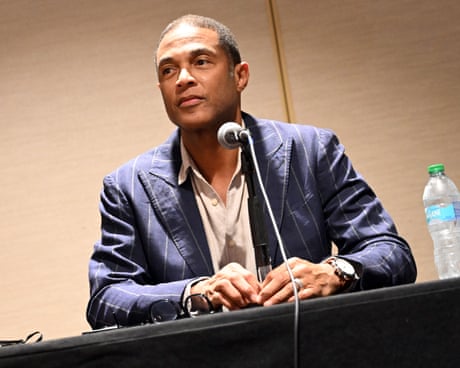
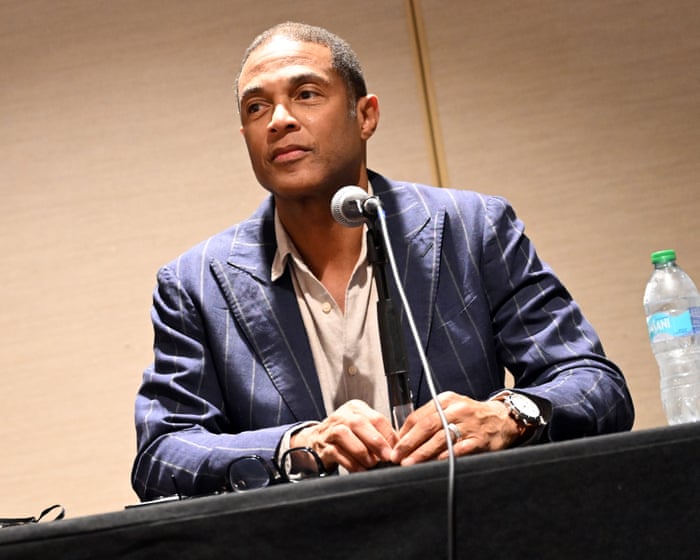
Experts have expressed deep concerns that the practice runs afoul of the fourth amendment’s right to privacy
Federal prosecutors have declined to say whether they secretly obtained phone records for the journalist Don Lemon using an unusual administrative summons, his lawyers said in a Monday court filing, highlighting concern about a controversial legal authority the government has claimed to gather information as it charged Lemon and dozens of others with civil rights crimes in connection to a January protest at a church in Saint Paul, Minnesota.
In January, officials served Verizon with an administrative summons for a log of Lemon’s phone records between 19 December and 20 January. The subpoena did not come from a grand jury, as is typical in criminal investigations, and also was not a court-approved search warrant. Instead, it was a unilateral request from the Department of Homeland Security (DHS), which said it was requesting the information under 19 USC 1509 – an obscure law that gives the department power to investigate records related to customs issues. Experts say the government is abusing that authority to gather records on journalists, activists, unions, non-profits and online critics, and have expressed deep concerns that the practice runs afoul of the fourth amendment’s right to privacy.

 Connexion