❌

Vue normale

  • ✇404 Media
  • Our Solar System Is Terminally Unstable and Will Be Completely Destroyed, Study Finds
    Welcome back to the Abstract! These are the studies this week that searched for the ur-animals, wandered the poles, rained on Mars, and destroyed the solar system.First, scientists present new evidence that the first animals appeared more than 800 million years ago, a truly ancient origin that suggests our metazoan ancestors survived a period known as Snowball Earth, when our planet is thought to have been nearly completely frozen. Then: Earth’s poles won’t sit still, the sepulchral stuff of
     

Our Solar System Is Terminally Unstable and Will Be Completely Destroyed, Study Finds

3 octobre 2026 à 07:00
Our Solar System Is Terminally Unstable and Will Be Completely Destroyed, Study Finds

Welcome back to the Abstract! These are the studies this week that searched for the ur-animals, wandered the poles, rained on Mars, and destroyed the solar system.

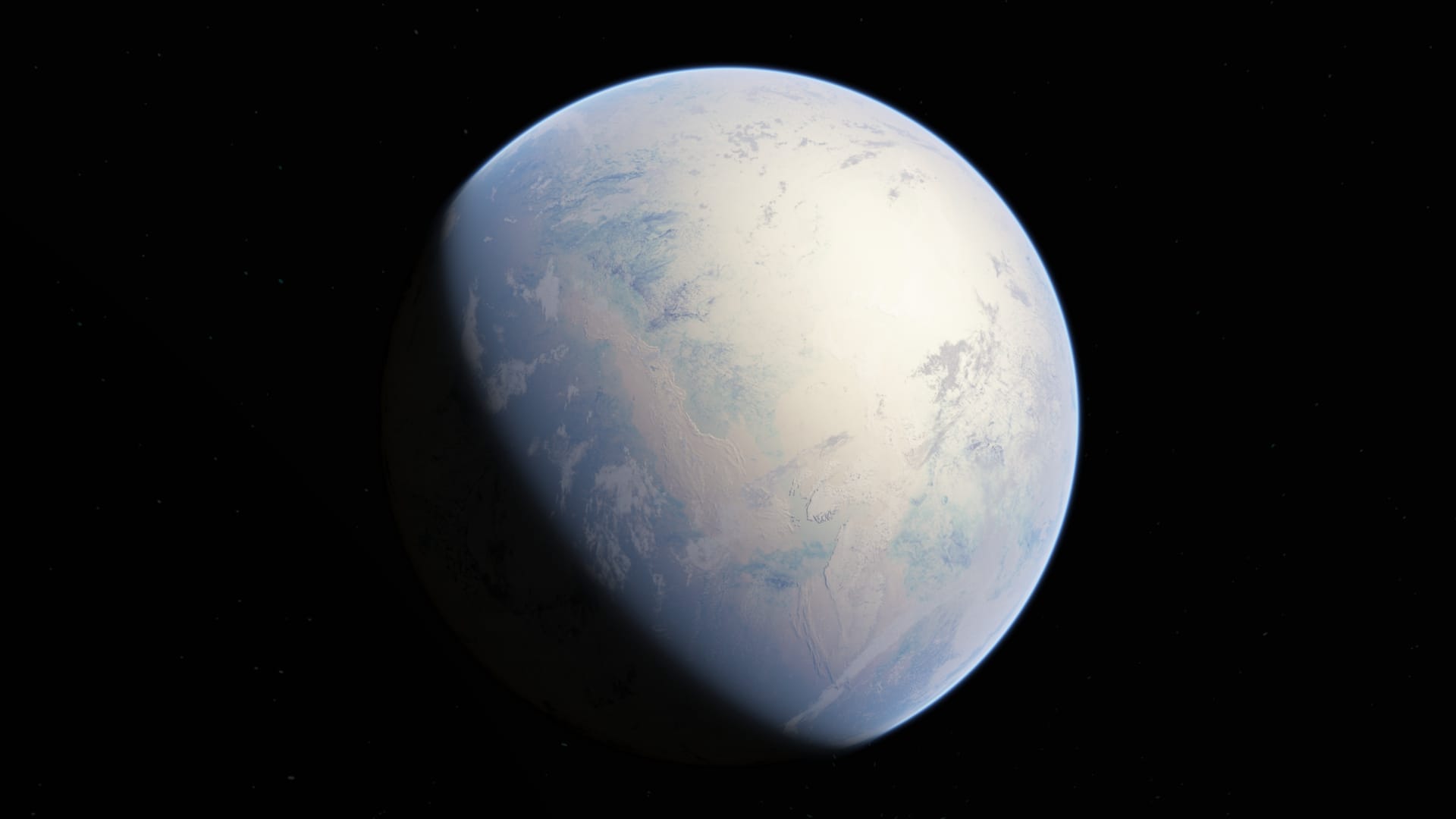
First, scientists present new evidence that the first animals appeared more than 800 million years ago, a truly ancient origin that suggests our metazoan ancestors survived a period known as Snowball Earth, when our planet is thought to have been nearly completely frozen. Then: Earth’s poles won’t sit still, the sepulchral stuff of life, and a dramatically shortened lifespan for our solar neighborhood.

As always, for more of my work, check out my book First Contact: The Story of Our Obsession with Aliens, or subscribe to my personal newsletter The BeX Files. 

I trace my ancestry to Snowball Earth

Durbin, Orin Lole et al. “Re-evaluating molecular clock maximum age calibrations revives pre-Ediacaran divergence estimates for animals.” Science Advances.

When did the first animals emerge on Earth? It’s a question that has provoked centuries of scholarly debate, and also inspired some wonderful answers in myth and legend (I’m partial to the Bible’s tidy solution: day six checklist).

The earliest animals that are clearly preserved in the fossil record lived during the Ediacara period some 574 million years ago, but the origins of our diverse metazoan family are likely much older. Now, scientists suggest that animals may have appeared on Earth a whopping 800 million years ago, during the ancient Tonian era, according to a new estimate of the dawn of animals.

“The timing of the origin of animals on Earth has puzzled scientists for centuries,” said researchers led by Orin Lole Durbin who was at the University of Oxford during this research and is now at Virginia Tech. “Unambiguous animal body fossils within the Ediacara Macrobiota provide a hard minimum calibration of 574 [million years] for crown Metazoa. Animals must have evolved before this date. Determining a maximum calibration for animals (a date at which they had not yet evolved) is a more complex task.”
Our Solar System Is Terminally Unstable and Will Be Completely Destroyed, Study Finds

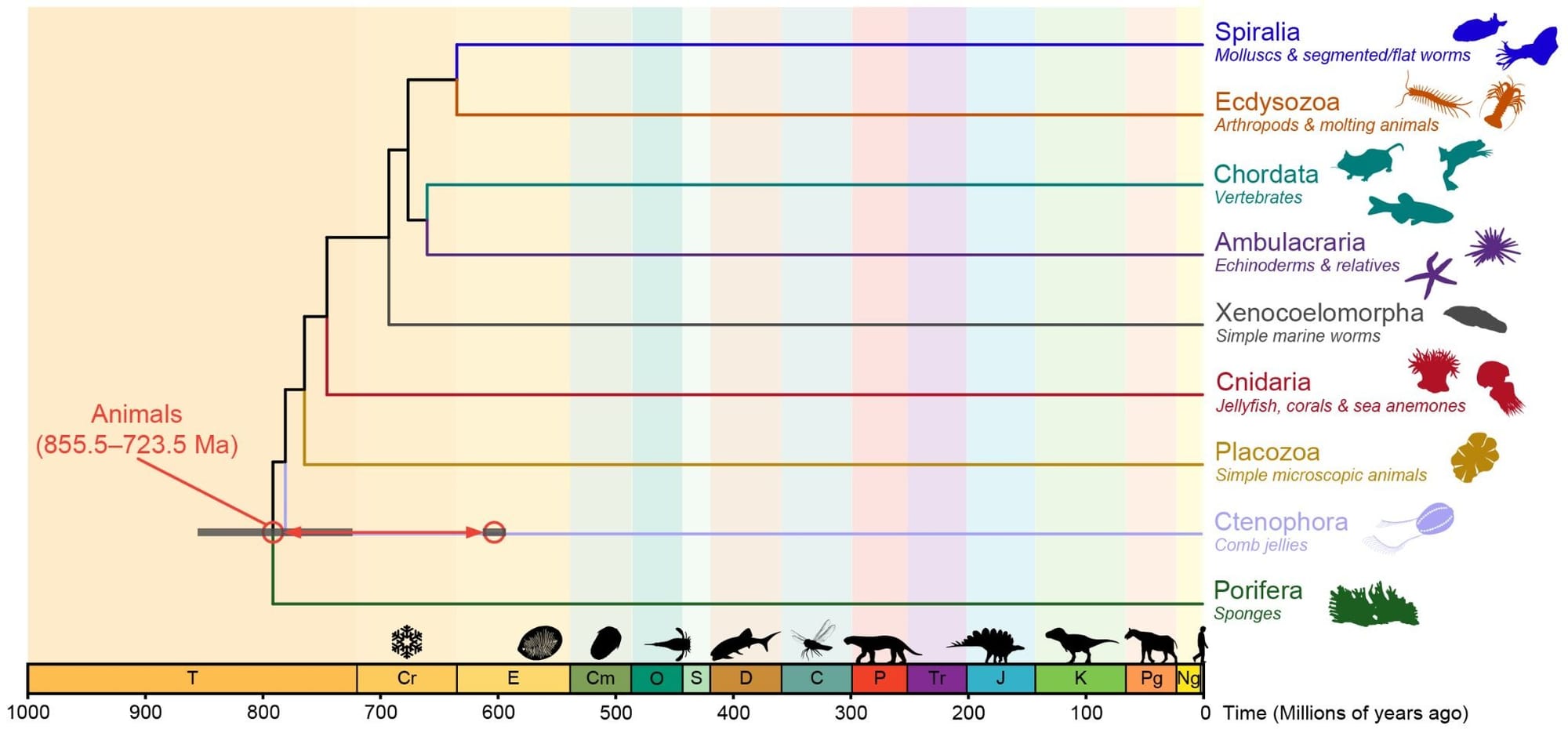
Estimated timeline for the origin of animals based on molecular clock analyses. The grey bar on the right of the image is the origin of animals based on an Ediacaran upper calibration. The grey bar to the left is the origin based on older deposits in the Tonian period, as suggested by the new study. Image: Orin Lole Durbin.

The team turned to molecular clock analysis, a technique that uses the rate of genetic mutations in lineages as a rough way to reconstruct evolutionary timelines. The researchers focused on two fossil deposits—China’s Weng'an Biota and Mongolia’s Kheseen Biota, which date back 590 and 550 million years respectively—to extend the possible timeline of animals back more than 200 million years earlier. 

If animals really did appear in the Tonian era, it means that our earliest metazoan ancestors survived episodes of so-called “Snowball Earth,” when our planet was almost fully covered in ice. These early critters were likely simple marine sponges and comb jellies that lived for hundreds of millions of years until their descendents exploded into the kaleidoscopic variety of animals that persist to this day.

“The possibility of a pre-Ediacaran origin and diversification of animals means we cannot discount hypotheses that link the timing of animal diversification to Cryogenian Snowball Earth glaciations,” according to the study. “The causes and trajectory of animal evolution will remain uncertain until paleontological and geochemical data provide sufficient confidence in maximum calibrations to ensure a reliable timescale.”

In short: Respect your sponge elders.  

In other news…

A pole-ing error

Domeier, Mathew et al. “Quadrupolar sea level fluctuations reveal episodes of rapid polar wander.” Science.

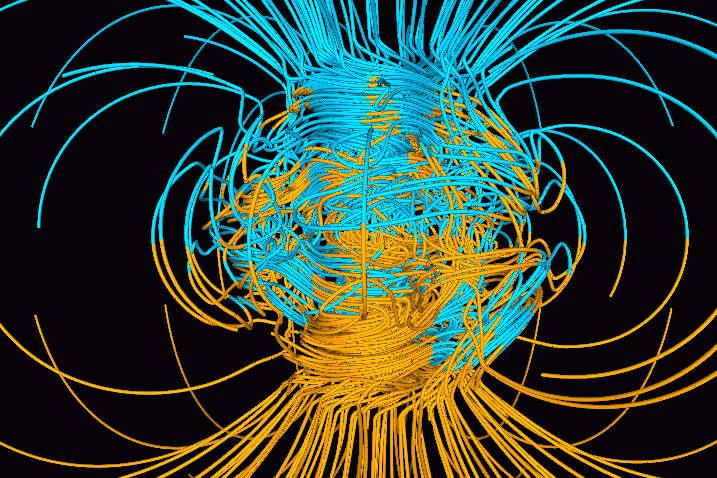
Earth is a roiling mess of shifting continents and squishy innards, a situation that constantly throws its spin axis off balance and prompts the geographic poles to drift. This phenomenon, known as true polar wander (TPW), is distinct from Earth’s wandering magnetic poles, which are shaped by interior core-mantle processes. 

Right now, TPW is clocked at a slow rate of 10 centimeters per year, but scientists have found evidence of “fast” episodes of TPW that pushed the poles off by thousands of miles over millions of years, which has knock-on effects for ocean and land distribution across the globe. 

A team has now pinpointed several of these fast episodes over the past 320 million years, “confirming that protracted rapid TPW has occurred on Earth and that couplings among Earth’s rotational dynamics, mantle processes, and surface environments can be strongly episodic,” according to their study.

“These findings refute the view of TPW as negligible or persistently slow and highlight the need to consider TPW as an episodic control on sea level change and likely other global environmental and biological dynamics,” said researchers led by Mathew Domeier of the University of Oslo. 

In addition to these long-term natural changes, recent human activity has slightly impacted TPW, especially the construction of dams and the glacial melt of anthropogenic climate change. So the next time you address a letter to Santa at the North Pole for your kid—or yourself, no judgement—make sure you have the most up-to-date coordinates.

It’s raining formaldehyde—formalallelujah! 

Koyama, Shungo et al “Global Distribution of Atmospheric Formaldehyde Deposition Correlated with Water Vapor on a Warm Early Mars.” The Planetary Science Journal.

Formaldehyde, the toxic chemical, has a bit of a morbid reputation—exposure to it can be fatal and it’s a common ingredient used to embalm corpses. But, paradoxically, formaldehyde (H2CO) also helped pave the way for the emergence of life on Earth as a precursor of bioessential elements such as sugars, amino acids, and nucleobases.

If life ever flourished on Mars, formaldehyde would likely also have been part of the story. To map out the possible distribution of the chemical on ancient Mars, scientists ran models of its atmosphere between 3.6 and 3.8 billion years ago, when the red planet was warmer and wetter. The results showed that formaldehyde was strongly associated with water vapor, suggesting that the chemical rained down from the ancient skies into Martian waterways.

“Significant atmospheric deposition of H2CO is observed over water bodies, including the northern ocean,” said researchers led by Shungo Koyama of Tohoku University. “We suggest that basins adjacent to persistently humid regions, which likely experienced H2CO accumulation and subsequent organic synthesis, could be potential landing sites for future missions to investigate ancient chemical evolution and whether it led to the origin of life.”

Hopefully, future missions to Mars will leave any signs of life with no place left to formalde-hide. 

Update the cosmic actuary tables

Batygin, Konstantin et al. “Terminal Instability of the Solar System Triggered by Stochastic Solar Mass Loss.” The Astrophysical Journal Letters.

I hate to be the bearer of bad news, but the solar system has been diagnosed with terminal instability and has been given a mere six billion years to live.  

That’s the upshot of a new study that modelled the solar system’s future as the Sun becomes a red giant star and, ultimately, collapses into a stellar husk called a white dwarf. 

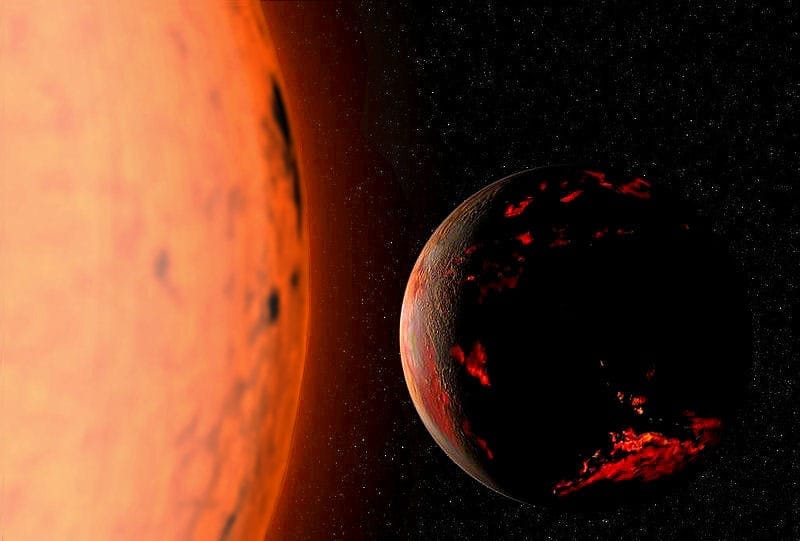
Though the dying Sun will consume Mercury, Venus, and perhaps even Earth, scientists have previously assumed that the giant outer planets might be relatively unscathed by its death—perhaps surviving for up to 100 billion years after the main-sequence lights go out. But updated simulations suggest that these distant objects may be thrown into fatal chaos as early as the red giant phase, and that they are unlikely to survive more than a billion years after the Sun’s transition to a white dwarf.
Our Solar System Is Terminally Unstable and Will Be Completely Destroyed, Study Finds
The future of Earth is bright, literally. Image: Celestia

“[Isaac] Newton, contemplating the drifting orbits of Jupiter and Saturn, suspected that the planetary order was mortal, and three centuries of celestial mechanics…have progressively deferred that verdict, most recently to timescales far beyond the age of the Universe,” said researchers led by Konstantin Batygin of the California Institute of Technology. “Our results return the solar system’s dissolution to astrophysically familiar territory, and relocate its cause: not the slow seep of chaos, nor the chance encounter with a passing star, but the Sun itself, which in dying does not merely enlarge the planetary system it built—it shakes it, and more often than not, spills it.”

“Newton’s envisioned instability is real after all,” the team. “He was mistaken only about the perpetrator.”

What a great story to kick off this spooky season! Planetary order is mortal, but cosmic horror is eternal. 

Thanks for reading! See you next week.
  • ✇404 Media
  • Two New Birds Louder Than Jackhammers Just Dropped
    Scientists have identified two new contenders for the world’s loudest bird—the bare-throated bellbird and the red-legged seriema—both of which can exceed 120 decibels, which is louder than a jackhammer, according to a study published on Tuesday in Evolution. These two bird species are now in the same league as the white bellbird, which shattered the record for loudest bird in 2019 after its bizarre call was first measured and reported by Jeff Podos, a professor in the department of biology at
     

Two New Birds Louder Than Jackhammers Just Dropped

29 septembre 2026 à 13:04
Two New Birds Louder Than Jackhammers Just Dropped

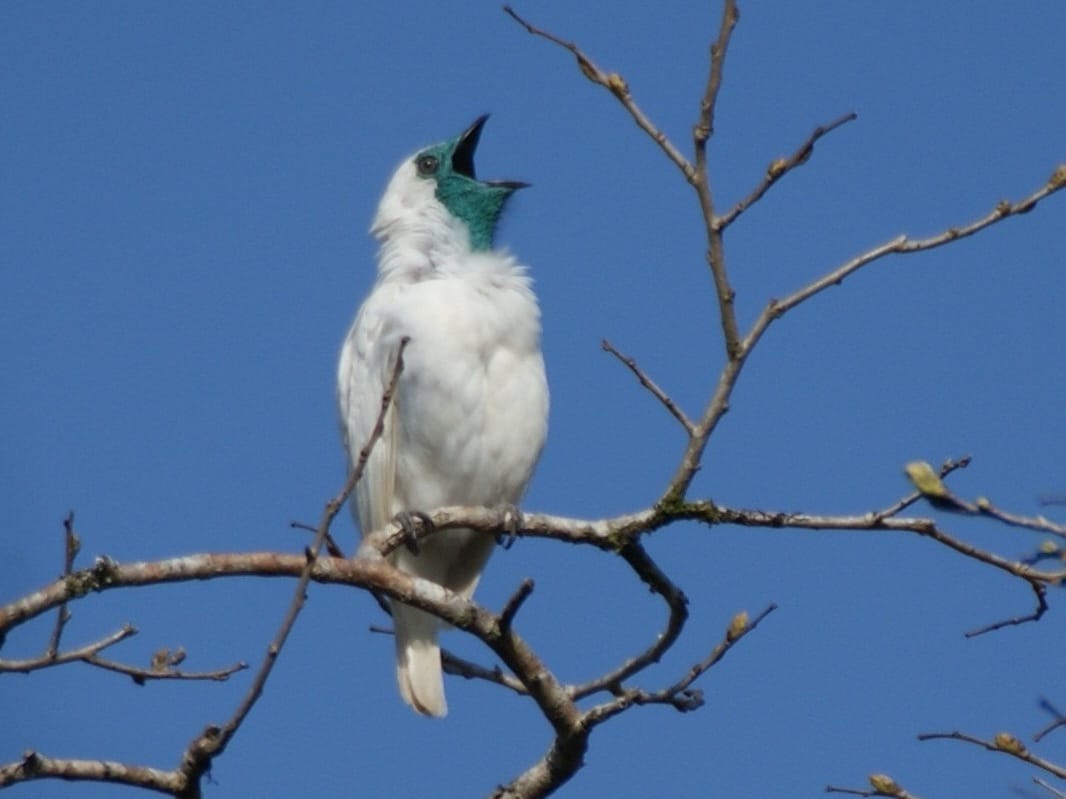
Scientists have identified two new contenders for the world’s loudest bird—the bare-throated bellbird and the red-legged seriema—both of which can exceed 120 decibels, which is louder than a jackhammer, according to a study published on Tuesday in Evolution. 

These two bird species are now in the same league as the white bellbird, which shattered the record for loudest bird in 2019 after its bizarre call was first measured and reported by Jeff Podos, a professor in the department of biology at the University of Massachusetts Amherst. It’s worth taking a moment to listen to the bellbird’s otherworldly call, which the males unleash over their remote habitat in the northern Amazon rainforest.

In the new study, Podos and former UMass Amherst graduate student João C.T. Menezes report that the bare-throated bellbird and the red-legged seriema occupy the same decibel range as the white bellbird. It's tough to declare a clear winner among the three birds due to differences in measurement techniques and individual variations within each species. 

Regardless, this trio is a special class that is much louder than the fourth runner-up, the screaming piha, which tops out around 116 decibels. In addition to identifying the ear-splitting avians, the team captured unprecedented measurements of vocal amplitude in 123 bird species, an effort that represents “a step forward in uncovering what enables birds to produce the loudest acoustic signals of all terrestrial fauna,” according to the study. 

“We were interested in a pretty basic question that's still out there because we know so little about amplitude,” said Menezes in a call with 404 Media. “We were basically interested in finding out why some species sing louder than others. For that, the more diverse the sample, the better.” 

“We wanted to know the softest species we could get, and the loudest species we could get, and everything in between,” he continued. “The more variation, the better for answering this type of question. Of course, along the way, we found the two new contenders for loudest species, and that's super cool. But every species in the sample has their value for us to answer the actual question.”

Given the remarkable diversity of avian calls, it is no surprise that birdsong is one of the most well-researched topics in behavioral ecology. But unlike call features like tempo or frequency, vocal amplitude has been notoriously difficult to measure in the wild because it is dependent on distance to the animal, which can be tough to figure out in remote field environments, such as the Amazon rainforest. 

Menezes and Podos were able to overcome this longstanding hurdle with the same laser rangefinders used by golfers to gauge the distance to holes.

“The laser rangefinders help us determine the distance between the recorder and the bird, which is important in our report as it allows us to correct our recordings of amplitude for distance,” Podos told 404 Media in an email. “But the actual recordings and thus readings of amplitude are made with another kind of device, a Sound Level Meter (normally used in industrial acoustics, but that can also serve in working with animals!).”

Using this new approach, the researchers were able to record the first clear amplitude measurements for dozens of species, from hummingbirds at the low end of the decibel range to the three loudest belters.  

“I've been a bird watcher since childhood, so it was just adding another layer to bird-watching.” Menezes said. “And since amplitude is known for so few species, we could basically go anywhere and we could have like a new amplitude for a new species, even from my window here in São Paulo, or Jeff's backyard” in Massachusetts. 

When they began their field research, Menezes and Podos predicted that the loudest birds in their measurements would have bigger bodies and wider beak openings, which proved true in the most deafening birds. But they were surprised to discover that there was no clear link between extreme loudness and ecological factors, like habitat or sexual behavior. 

🌘
Subscribe to 404 Media to get The Abstract, our newsletter about the most exciting and mind-boggling science news and studies of the week.

The two bellbird species live in dense forest and are highly polygamous, so only the male bellbirds make loud calls to attract females. In contrast, the red-legged seriema lives in open habitats, including pastures, and forms long-term monogamous pair bonds.  

“If you look at the top three birds, we can see perfect counterexamples for each of those factors,” Menezes said. “That was definitely a surprise—those parallel routes to extreme loudness.” 

Menezes plans to keep delving into the particular ecological factors that lead to high vocal amplitudes in his future research. While he thinks that other birds may be capable of calls over 120 decibels, it would be unexpected to find even louder birds, as that volume seems to be an upper limit across terrestrial animals.

“There does seem to be a ceiling with terrestrial animals about the 120 to 125 [decibel] mark,” Menezes said. “Elephants can't go beyond that. There are really loud bats that use vocalization for echolocation, and they also don't go beyond that.”

“Based on that, my hunch is that we're not going to find a much louder bird, but I do think we'll find others that fall in that same category,” he concluded.

  • ✇404 Media
  • Alien Life Can Survive on This Tiny Moon—We Just Need to Go Find It
    Welcome back to the Abstract! Here are the studies this week that sailed alien seas, beat the heat, went retro, and got caught in the food web.First, scientists make the case that Saturn’s moon Enceladus could resolve one of humanity’s greatest questions—are we alone in the universe?—if only we would just send a spacecraft there already. Then: an amoeba in hot water, a backwards-ass planet, and the prandial ouroboros we call life on Earth.As always, for more of my work, check out my book First C
     

Alien Life Can Survive on This Tiny Moon—We Just Need to Go Find It

26 septembre 2026 à 17:59
Alien Life Can Survive on This Tiny Moon—We Just Need to Go Find It

Welcome back to the Abstract! Here are the studies this week that sailed alien seas, beat the heat, went retro, and got caught in the food web.

First, scientists make the case that Saturn’s moon Enceladus could resolve one of humanity’s greatest questions—are we alone in the universe?—if only we would just send a spacecraft there already. Then: an amoeba in hot water, a backwards-ass planet, and the prandial ouroboros we call life on Earth.

As always, for more of my work, check out my book First Contact: The Story of Our Obsession with Aliens, or subscribe to my personal newsletter the BeX Files. 

Aliens in the moon mist

Helmbrecht, Vanessa et al. “Enceladus-like geochemistry fuels methanogenesis under extreme CO2 limitation.” Science Advances.

Postberg, Frank, Zou, Zenghui et al. “Cassini CDA observes compositional segregation of Enceladus’ ice grains from slow freezing and fragmentation of oceanic spray.” Science Advances.

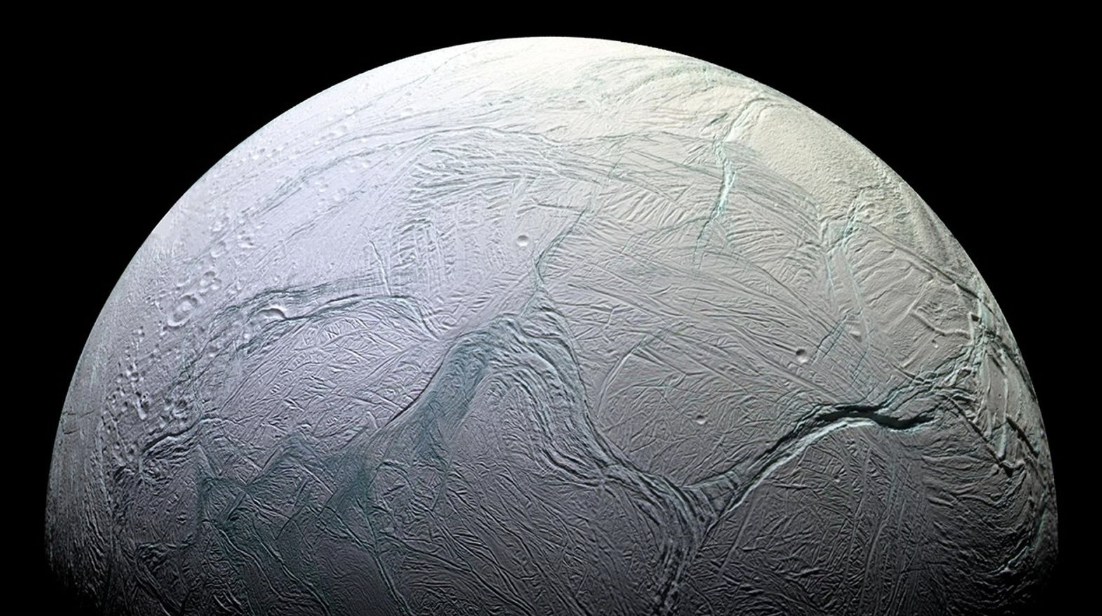
In a double-whammy pair of studies, scientists have offered more proof that Enceladus—the tiny moon of Saturn—might host alien life, and that it would be relatively easy to find out for sure.

Enceladus is only 300 miles in diameter, but it contains marine multitudes. Underneath its outer ice shell, the moon hosts a subsurface ocean and hydrothermal vents on its seafloor, which are hotspots of life here on Earth. 

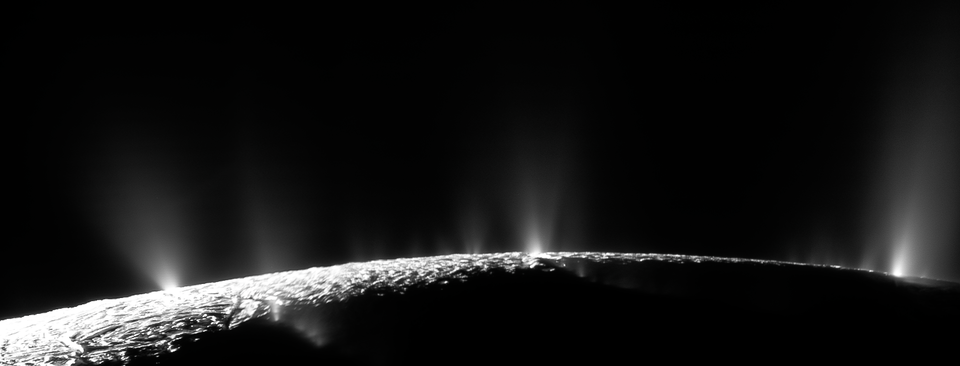
What’s more, Enceladus squirts out watery plumes from its ocean through geysers on the surface, which can be sampled by passing probes. Indeed, the Cassini spacecraft—which orbited Saturn from 2006 to 2017—ran through this space sprinkler several times, providing our first taste of an extraterrestrial sea. However, that mission was not equipped to detect signs of life, known as biosignatures.

In the first of two new studies, researchers created a simulated version of Enceladus’s “soda ocean” (meaning it is alkaline and carbonate-rich). The team then dropped the heat-loving microbe Methanothermococcus okinawensis to live in this earthly ersatz Enceladus. This species was selected because it lives on deep-sea hydrothermal vents on Earth.

Alien Life Can Survive on This Tiny Moon—We Just Need to Go Find It
Plumes on the surface of Enceladus. Image: NASA/ESA/Cassini

It turned out that M. okinawensis fared even better in this habitat than expected, a discovery that potentially widens “the habitability window of Enceladus’ subsurface soda ocean,” said researchers led by Vanessa Helmbrecht of Ludwig-Maximilians-Universität München.

In the other study, a team revisited Cassini’s observations of ice grains sprayed out into space by Enceladus. They discovered that the ocean droplets freeze slowly in space, causing organic molecules to separate out into concentrations of similar compounds. If these droplets contain biosignatures, they may be conveniently pre-sorted for any instrument that captures them.

“In the plume grains, each separated compound can then be found at strongly elevated concentrations in a relatively small fraction of ice grains,” said researchers co-led by Frank Postberg and Zenghui Zou of Freie Universität Berlin. “This is good news for future plume sampling missions investigating Enceladus’ promising habitability provided that they can sample and analyze ice grains individually.” 

For years, mission concepts to Enceladus have been floated but never formally greenlit, including NASA’s Enceladus Life Finder or the European Space Agency’s L4 mission. Hopefully, something gets off the drawing board and into space eventually, because Enceladus is low-hanging fruit, astrobiologically speaking. 

In other news…

Some (amoebas) like it hot

Rappaport, H. Beryl et al. “A geothermal amoeba sets a new upper temperature limit for eukaryotes.” Cell.

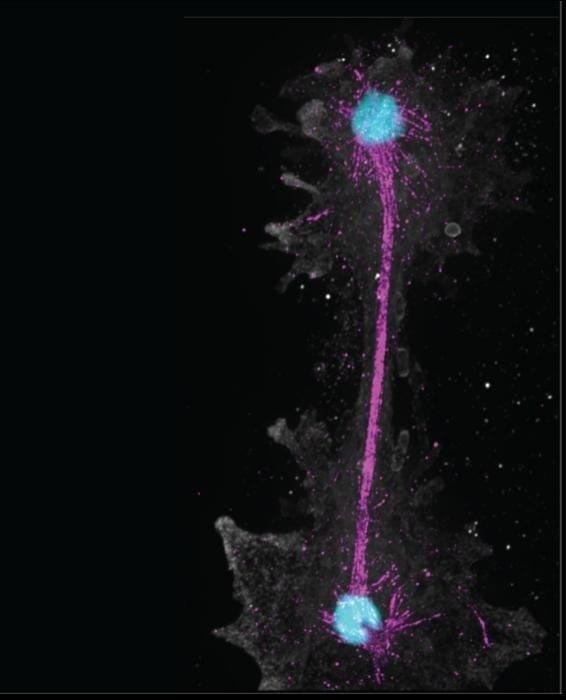
Speaking of weird heat-loving microbes, meet Incendiamoeba cascadensis, a newly discovered amoeba that has shattered the heat tolerance record for eukaryotic life. 

Alien Life Can Survive on This Tiny Moon—We Just Need to Go Find It
Incendiamoeba cell undergoing mitosis at 63ºC. DNA is colored blue, tubulin is pink, and membrane is gray. Image: Felix Mikus

Scientists found this novel species simmering in water temperatures exceeding 64°C (147°F) inside Hot Springs Creek at Lassen Volcanic National Park in California (for reference, the average hot tub is around 100°F). While simple “procaryotic” organisms can survive much hotter water—the microbe Methanopyrus kandleri tops out at a balmy 252°F—the upper thermal limit for more complex “eukaryotic” lifeforms was previously thought to be 60°C (140°F). 

“Incendiamoeba cascadensis proliferates at temperatures beyond what was thought possible for any eukaryote,” said researchers led by Beryl Rappaport of Syracuse University. “This discovery raises questions about the true maximum temperature a eukaryotic cell can endure.”

If a human were exposed to these water temperatures, they would suffer third-degree burns in seconds—so let the amoebas have their win and leave the deadly hot springs to them.

Go Your Own Way (exoplanet cover)

Carteret, Yann et al. “Upside down: GJ 3090 b the first retrograde exoplanet around an M dwarf detected with NIRPS.” Astronomy & Astrophysics.

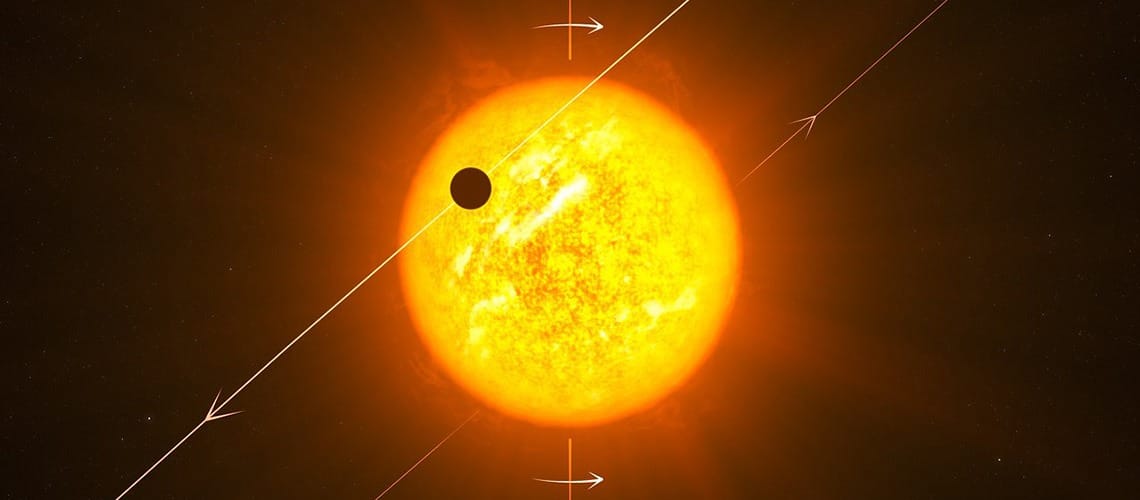
If you’ve been feeling like the vibes are off, it’s probably because the planet GJ 3090 b is in retrograde—permanently. This world, which is about 4.5 times as massive as Earth, is the “first planet on a retrograde orbit discovered around an M dwarf,” a type of small star more commonly known as a red dwarf, according to a new study.

In our solar system, the concept of a planet being “in retrograde” refers to the optical illusion of planets appearing to move backwards in their orbits from our perspective on Earth. But GJ 3090 b is actually orbiting in the opposite direction of the rotation of the star, which is located 60 light years away. 

Exoplanets with similar retrograde orbits have been observed before, but GJ 3090 b is distinct because there is no massive object (a star or planet) in the system that seems to have set it into reverse. Most retrograde orbits are caused by gravitational disruptions from such colossal companions, but this exoplanet may have just been born this way—meaning that it formed from a disk of material that was out-of-whack from the jump.

Alien Life Can Survive on This Tiny Moon—We Just Need to Go Find It
Graphic showing the planet’s retrograde orbit. Image: © ESO/L. Calçada

“Whereas highly misaligned orbits are commonly attributed to gravitational interactions with a massive companion, the architecture of the GJ 3090 system instead favors a primordial misalignment of the protoplanetary disk,” said researchers led by Yann Carteret of the University of Geneva.

 The discovery is a reminder that star systems take on a wild variety of configurations shaped by countless interactions and factors. Contrary to the proverb, there is something new under every sun.

Eat, or be eaten, or all of the above

Allf, Bradley C. et al.  “Who Eats Whom? A global food web derived from citizen science.” PLOS Biology.

From the simplest microbe to the mighty blue whale, all life on Earth has one thing in common—we gotta eat. But given the dazzling complexity of food webs around the world, it can be tough to track what species end up in what bellies (or belly-equivalent) out in the wild. 

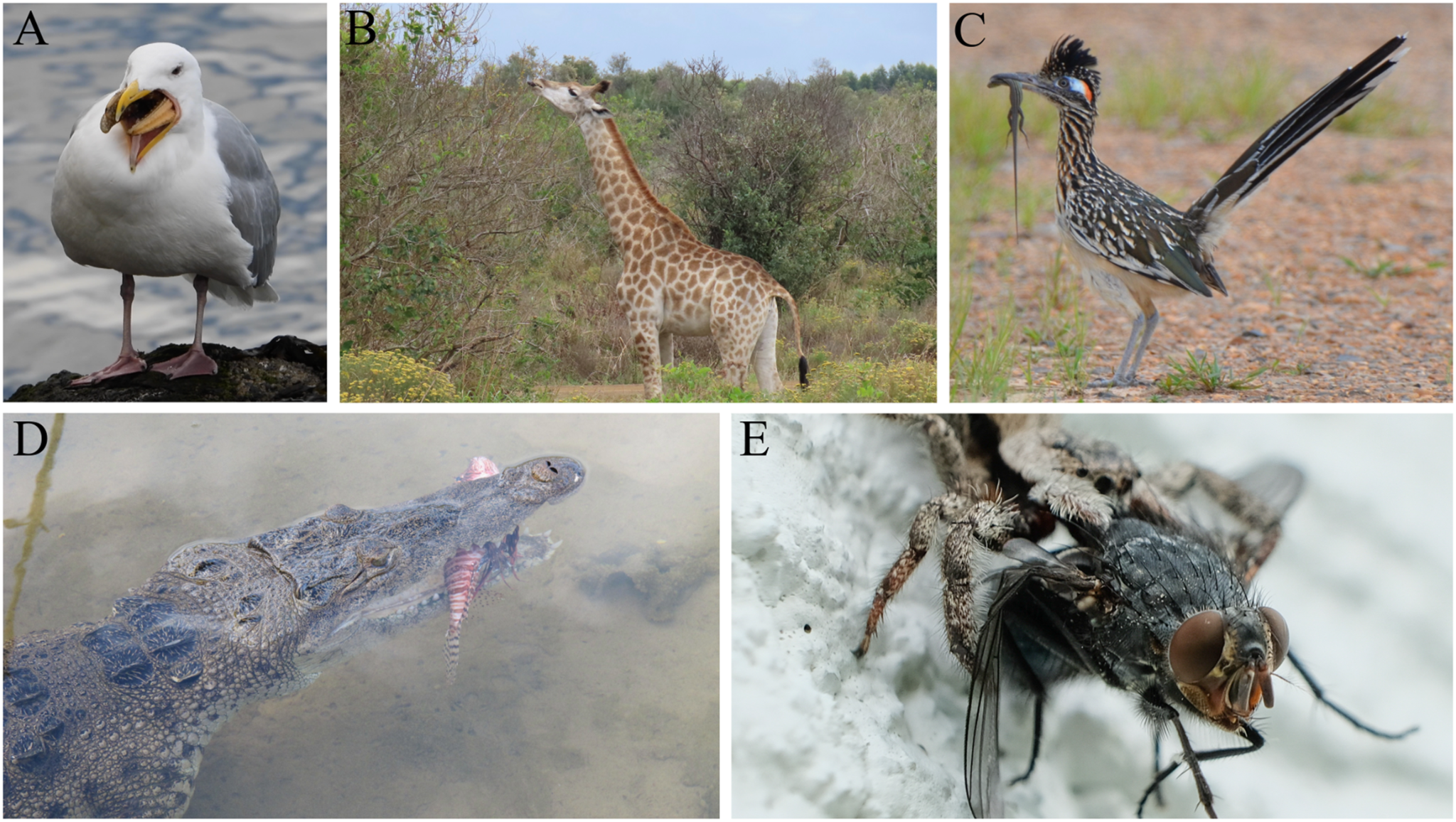
That’s a problem that scientists are now inviting the public to help solve with the new online database: Who Eats Whom? In a partnership with the popular platform iNaturalist, the tool has catalogued some 14,000 observations of food-web interactions captured by nearly 2,000 observers from more than 100 countries, according to a new study about its progress.

Alien Life Can Survive on This Tiny Moon—We Just Need to Go Find It
A selection of images from Who Eats Whom. Image: Allf, Bradley C. et al.

“Who Eats Whom is, to our knowledge, the first attempt to create a global food web derived specifically from verifiable citizen science photographs,” said researchers led by Bradley C. Allf of Colorado State University. “Beyond our scientific goals, we are designing the project as a tool for education and public engagement in science.”

You can search for specific animals in the database (for example, searching for the red fox reveals a brave Australian python-eater, as well as this excruciating picture of the last moments of an Eastern chipmunk in Ontario with the caption: “not a great day”). I was also delighted to learn that coyotes, in addition to chasing down prey, apparently go on persimmon binges that leave behind seed-filled scat. 

To get a sense of the bigger picture, you can check out this interactive global food web of species. We are, after all, what we eat—and what we eat eats, and so on forever.

Thanks for reading! See you next week.
  • ✇404 Media
  • An Invisible Force Has a Mysterious Effect on Aging, Scientists Discover in 'Startling' Breakthrough
    Scientists have discovered that the removal of Earth's magnetic field influences the lifespans of fruit flies in complex ways, a finding that sheds light on the aging process as well as the risks of future human space travel, according to a study published in the journal Aging on Wednesday. All life on Earth has evolved under the planet’s geomagnetic field, a vast bubble lined with electrical currents that is generated in the core and extends out into space. This protective magnetic shield is
     

An Invisible Force Has a Mysterious Effect on Aging, Scientists Discover in 'Startling' Breakthrough

23 septembre 2026 à 12:39
An Invisible Force Has a Mysterious Effect on Aging, Scientists Discover in 'Startling' Breakthrough

Scientists have discovered that the removal of Earth's magnetic field influences the lifespans of fruit flies in complex ways, a finding that sheds light on the aging process as well as the risks of future human space travel, according to a study published in the journal Aging on Wednesday. 

All life on Earth has evolved under the planet’s geomagnetic field, a vast bubble lined with electrical currents that is generated in the core and extends out into space. This protective magnetic shield is a major factor in Earth’s habitability, as it wards off harmful radiation from space, allowing life to flourish on the surface. 

Many migratory animals—including fish, birds, and insects—can clearly sense Earth’s magnetism and use it for navigation. But much less is known about how the field interacts with living cells and their components, such as mitochondria, the famous “powerhouses” that generate most of the energy that fuels life.

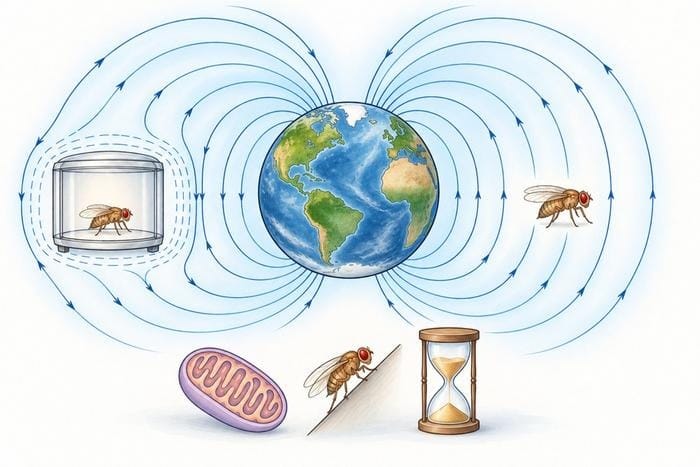
To better understand this mystery, scientists observed two populations of fruit flies in a “hypomagnetic” shield system, a cylindrical benchtop apparatus that essentially blocks the influence of Earth’s magnetic field. One group contained “wild-type” healthy flies, while the other was made up of “mutant” flies carrying a gene defect called Pink1, which is associated with early-onset Parkinson’s disease in humans and specifically involves mitochondrial dysfunction.

The removal of the magnetic field’s effect extended the lifespan of the Pink1 group by 20 percent but reduced their mobility, whereas the healthy flies experienced just the opposite—reduced lifespan, but improved mobility. 

“We had an idea that there would be a difference just based on the fact that we know that every organism has developed under a magnetic field,” said Jacob Reed, a PhD student in bioscience at the University of Nottingham who co-led the study, in a call with 404 Media. “But we didn't really plan that there would be this difference in the experiment.”

“I think we're the first to show that there's an effect in an organism that has a disease phenotype,” added co-lead Lisa Chakrabarti, a professor of biochemistry at the University of Nottingham, in the same call. “We're really drilling into what the differences are between having that applied pressure or relieving it.”  

An Invisible Force Has a Mysterious Effect on Aging, Scientists Discover in 'Startling' Breakthrough
Diagram illustrating the experiment. Image: University of Nottingham

While there is a lot of research into the effects of hypermagnetic fields on life—meaning magnetic fields that are stronger than Earth’s—the “biological consequences of hypomagnetic fields remain poorly understood,” according to the new study.

To fill in this research gap, Reed developed an initial pilot study of diseased and healthy flies using the magnetic shielding apparatus, and was surprised to find that the Pink1 population of flies seemed to live longer.

“I was really confused at first,” Reed recalled. “I was thinking: ‘Why are these Parkinson's flies living longer than some of the wild-type flies?’ I had to double-check all of my data. From that, we realized that was what's happening and developed the experiment.”

The team observed dozens of diseased and healthy flies living in these hypomagnetic spaces over the course of their lives, which normally last about two months. In particular, they monitored shifts in the energy metabolisms and chemical outputs of mitochondria using quantum diamond sensors. 

The experiment showed that the absence of Earth’s magnetic field changes how cells age and produce energy, producing clear and measurable effects on longevity. The researchers also saw shifts in locomotion by tracking how far flies climbed upward against gravity in their containers. However, it will take more research to unravel the complex mechanisms that underlie these observable changes.

“This is the early stage, where we can say there is a very real effect,” Chakrabarti said. “As soon as you take off the geomagnetic field, there are physiological effects that we can measure in the mitochondria, in the cellular physiology, and in big things like lifespan and climbing as well. It's a definite interaction between Earth's magnetic field and physiology.” 

The researchers plan to build on their work by studying different organisms in hypomagnetic fields to see if they experience similar mitochondrial and behavioral changes. This work could eventually inspire therapeutic treatments for humans with various conditions, and could also help prepare astronauts for deep space missions beyond Earth’s magnetic field. It is already well-known that astronauts are exposed to harmful radiation outside of the magnetic field, but little is known about the specific impact of the absence of the field itself on human physiology.

“The link with interplanetary space travel is absolutely key,” said Chakrabarti. “There could be subtle differences that we don't really notice while we're on Earth. Unless we know what those parameters are to measure, we're going to be sending astronauts up there that are potentially going to really suffer over the short, or even or the longer, term.”

“All of this is out there at the moment, but what we're saying is that we definitely see a really reproducible and startling effect of removing the geomagnetic field,” she concluded.

  • ✇404 Media
  • ‘Supermountains’ Buried Under Antarctica Fueled Explosion of Life, Scientists Discover
    Welcome back to the Abstract! These are the studies this week that ate well, moved mountains, grew brains, and saved medieval texts.First, scientists set out to understand why Venus doesn’t have a moon and discover even more unnerving stuff about this delightfully nightmarish planet. Then: a hidden range of primordial supermountains, a literal brain-space, and evidence of Tudor-era subterfuge.As always, for more of my work, check out my book First Contact: The Story of Our Obsession with Aliens,
     

‘Supermountains’ Buried Under Antarctica Fueled Explosion of Life, Scientists Discover

19 septembre 2026 à 06:00
‘Supermountains’ Buried Under Antarctica Fueled Explosion of Life, Scientists Discover

Welcome back to the Abstract! These are the studies this week that ate well, moved mountains, grew brains, and saved medieval texts.

First, scientists set out to understand why Venus doesn’t have a moon and discover even more unnerving stuff about this delightfully nightmarish planet. Then: a hidden range of primordial supermountains, a literal brain-space, and evidence of Tudor-era subterfuge.

As always, for more of my work, check out my book First Contact: The Story of Our Obsession with Aliens, or subscribe to my personal newsletter the BeX Files. 

I’m so hungry I could eat my own moon

Kane, Stephen R. et al. “Tidal Demise: The Evolution and Fate of a Hypothetical Venus Moon.” The Astrophysical Journal.

Venus is a bizarro world with a year that is shorter than its day, a surface shaped by diabolical heat and pressure, and skies soaked in sulfuric acid. Frankly, this planet is metal enough as it is, but scientists have now suggested that Venus is also a moon-eater.  

For years, researchers have pondered why Venus lacks a moon, in contrast to all other planets except Mercury. One possibility is that Venus was once orbited by a primordial satellite that it ultimately tore apart and swallowed, according to a new study. And honestly, that sounds like something Venus would do. It’s in character.

‘Supermountains’ Buried Under Antarctica Fueled Explosion of Life, Scientists Discover
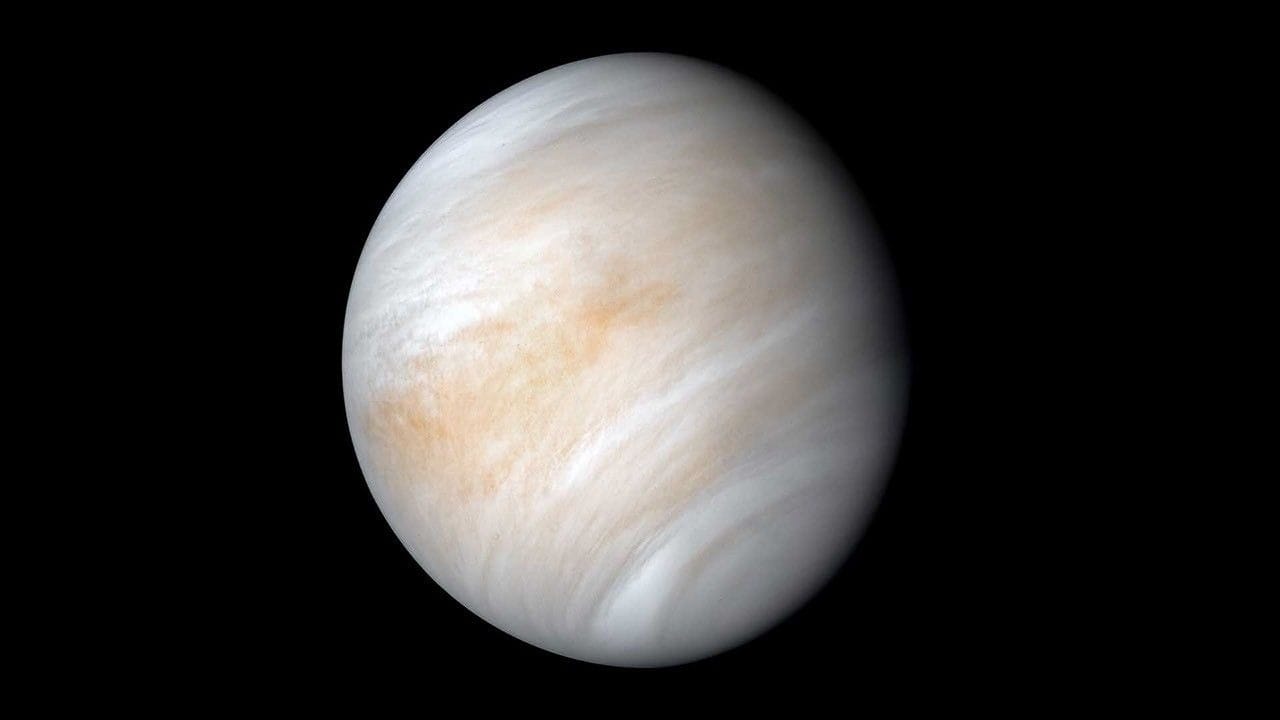
Venus as captured by Mariner 10 in the 1970s. Image: NASA

To reach this conclusion, scientists ran simulations of Venusian moons ranging from half to ten times as massive as Earth’s Moon. Because Venus has a very slow rotation rate equal to 243 Earth days, most of the modeled satellites were drawn inward, ultimately crashing into Venus. Earth’s fast rotation rate, in contrast, has pushed the Moon to recede farther from our world, at a rate of about 1.5 inches each year.

“The absence of a Venusian satellite can be understood as a natural consequence of tidal evolution alone,” said researchers led by Stephen Kane of the University of California, Riverside. The researchers added that the obliteration of a past moon around Venus may offer one reason why the planet became so aggressively inhospitable, while Earth evolved into a comfy haven for life. 

“The fate of a Venus moon carries direct implications for early Venus habitability,” the team said. “The eventual destruction of the moon…would deliver a massive energy pulse to the Venusian surface and atmosphere, with potential implications for the loss of surface water and the onset of a runaway greenhouse state.”

It’s possible that NASA’s DAVINCI orbiter, which is due for launch to Venus in 2029, could search for the chemical signatures of an ancient obliterated moon, according to the study. In the meantime, my takeaway is that Majora’s Mask is based on a true Venusian story. 

In other news…

If it’s not Gondwana, I don’t wanna

Chen, Bei and Campbell, Ian H. “Do Himalayan-style mountains lie under the Antarctic ice: Implication for the Gondwana Supermountains, the rise of oxygen and the Cambrian explosion?” Earth and Planetary Science Letters.

Shout out to my fellow Gondwana-heads! Just a week after a study came out minting Gondwana as a bonafide “supercontinent,” another work has probedthe remnants of Himalaya-scale “Gondwana supermountains” buried deep under Antarctica’s ice sheet.

Both studies argue that the geological upheaval associated with Gondwana’s formation directly led to the Cambrian “explosion” of complex life that began about 538 million years ago. But the new study focuses on the role of Gondwana’s colossal mountain range and the massive submarine “fan” system underneath it.

‘Supermountains’ Buried Under Antarctica Fueled Explosion of Life, Scientists Discover
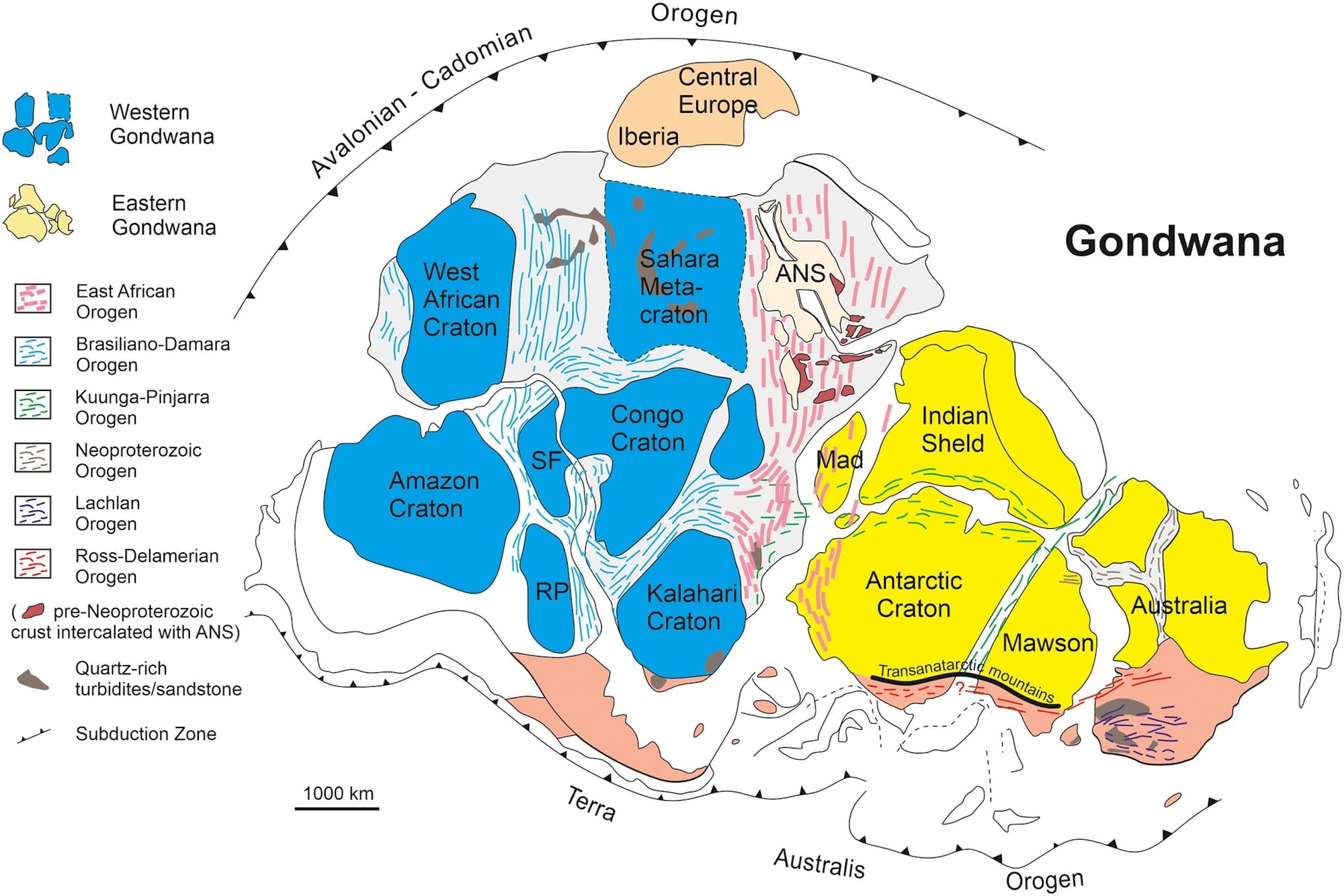
Reconstruction of Gondwana highlighting core blocks, interior orogens and peripheral orogens. Image: Chen, Bei and Campbell, Ian H. 

“It is unlikely to be a coincidence that Earth’s most dramatic period of evolution correlates with the planet’s most important period of mountain building: the formation and erosion of the Gondwana Supermountains,” said authors Bei Chen and Ian H. Campbell of the Australian National University. 

By studying 1,700 zircons—hardy minerals that can be used to reconstruct continental timelines—the researchers found a disproportionate spike in Antarctic zircons dating from 650 and 450 million years ago, consistent with the formation of Gondwana. The supermountains and their underlying fan systems provided the necessary nutrients for the meteoric rise of animals and other complex life in the Cambrian period, according to the study.

“Analyses of detrital zircons from Antarctica show that its tectonics were dominated by Himalayan-style mountains, the roots of which now underlie the ice sheet,” the team concluded. 

Gondwana broke apart during the age of dinosaurs, but as these studies show, its body parts live on, scattered under ice and dispersed across new continents. This has been Gondwana News.

Occupy Mouse Brain

Konstantin Kaganovsky, Kevin W. Kelley, Tilo Gschwind, Paul M. Harary et al. 

“Developmental xenocortication using human-derived organoids in mice.” Nature.

It is notoriously challenging to study human brain tissue in vivo on both practical and ethical levels. It’s not as if you can just cut open someone’s noggin and rummage around in there like you’re Victor Frankenstein.  

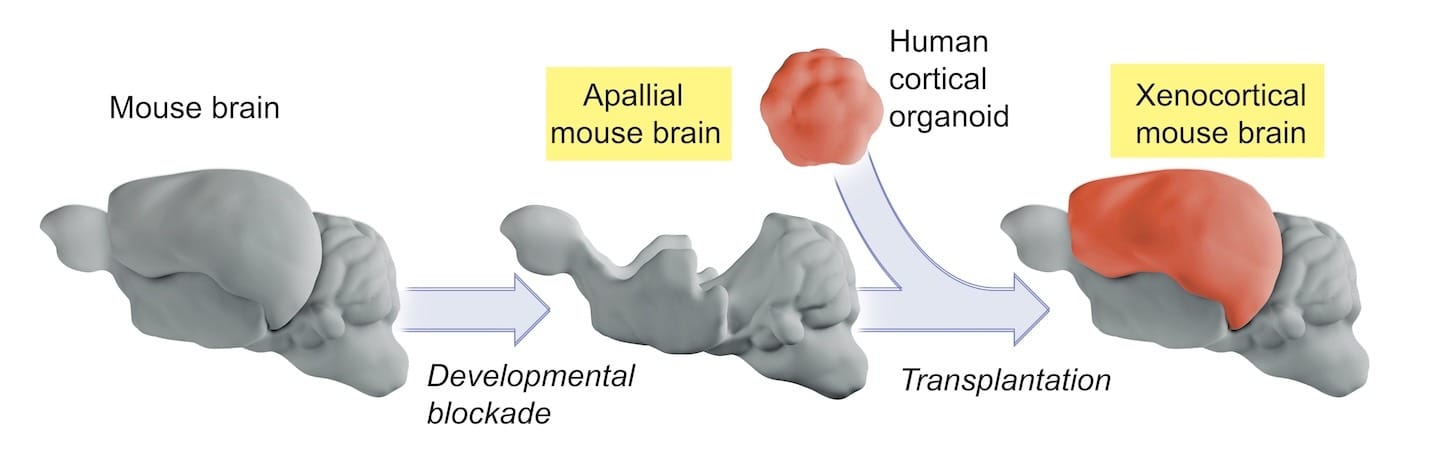
But scientists have now discovered a promising workaround by transplanting human brain “organoids”—lab-grown structures based on human stem cells—into the heads of mice that have been engineered to have open space in their brains instead of a cortex. Scientists who developed this new experimental technique of “xenocortication” report that the human organoids grew to occupy the cavities in the rodents’ heads, and showed analogous development to real brain tissues. 

The xenocortical (abbreviated XCX, no relation to Charli) mice seemed to behave more or less normally, despite having millions of human-derived neurons in their heads.

‘Supermountains’ Buried Under Antarctica Fueled Explosion of Life, Scientists Discover
Graphic showing the human organoid transplanted into the mouse brain. Image: Konstantin Kaganovsky, Kevin W. Kelley, Tilo Gschwind, Paul M. Harary et al. 

“We envision that xenocortication will be useful for obtaining circuit- and behaviour-level readouts using human neurons to study neurodevelopment, model disease and develop therapeutics,” said researchers co-led by Konstantin Kaganovsky, Kevin W. Kelley, Tilo Gschwind, and Paul M. Harary of Stanford University.

“Generating XCX mice with more mature and canonical cortical organization will require early and proactive engagement to establish ethical guidance,” the team emphasized.

Talk about living rent-free in someone else’s head. 

Hard to Gage his motivation

Walter, Katie and Wade, James. “Mirror of the Blessed Life of Jesus Christ: A missing fragment from Takamiya MS 20 in the holdings of The Keep.” Notes and Queries.

King Henry VIII, the English monarch notorious for disposing of wives and Catholic hegemony, relied on the courtier Sir John Gage to dissolve and plunder monasteries during his consequential reign. 

But the discovery of long-lost pages that were once possessed by Gage reveals that this royal ally may have saved an outlawed manuscript from destruction, hinting at a dangerous act of subterfuge. 

‘Supermountains’ Buried Under Antarctica Fueled Explosion of Life, Scientists Discover
Pages 8-9 of The Keep fragment of Nicholas Love’s early 15th-century Mirror of the Blessed Life of Jesus Christ with visible thread binding. Image: Courtesy of The Trustees of the Firle Estate Settlement and the University of Sussex

 Katie Walter of the University of Sussex and James Wade of Girton College, Cambridge identified a six-page fragment of a popular medieval text that had been misplaced within Gage’s belongings. The fragment came from Nicholas Love’s Mirror of the Blessed Life of Jesus Christ, which was popular in the 15th century, but had fallen out of favor by Henry VIII’s reign. It seems that Gage nonetheless saved a copy, despite orders to destroy such texts.

“One consequence of this puzzle is that the fragment, hereafter referred to as The Keep fragment, has gone undescribed,” said Walter and Wade in their new study. “John Gage possibly acquired the book at the time of the dissolution of the monasteries” and it later became “hidden in plain sight” in his belongings.

And Gage would have gotten away with it too, if it weren’t for those meddling historians!

Thanks for reading! See you next week.
  • ✇404 Media
  • A Digital Fly Brain Has Taken Over the Internet
    A digital fly brain has been trading bitcoin, parallel parking, exploring bisexuality, cutting doner kebab, playing games—including Minecraft, Doom, and Beat Saber—and generally lighting up social media timelines since it was released earlier this month.The simulated brain, known as a connectome, is a complete map of more than 166,000 neurons that make up the nervous system of an adult male Drosophila fruit fly. Developed by HHMI Janelia Research Campus in partnership with Google Research, th
     

A Digital Fly Brain Has Taken Over the Internet

15 septembre 2026 à 11:28
A Digital Fly Brain Has Taken Over the Internet

A digital fly brain has been trading bitcoin, parallel parking, exploring bisexuality, cutting doner kebab, playing games—including Minecraft, Doom, and Beat Saber—and generally lighting up social media timelines since it was released earlier this month.

The simulated brain, known as a connectome, is a complete map of more than 166,000 neurons that make up the nervous system of an adult male Drosophila fruit fly. Developed by HHMI Janelia Research Campus in partnership with Google Research, the connectome (dubbed MaleCNS v1.0) was unveiled earlier this month, following the release of the first adult female fruit fly connectome in 2024.

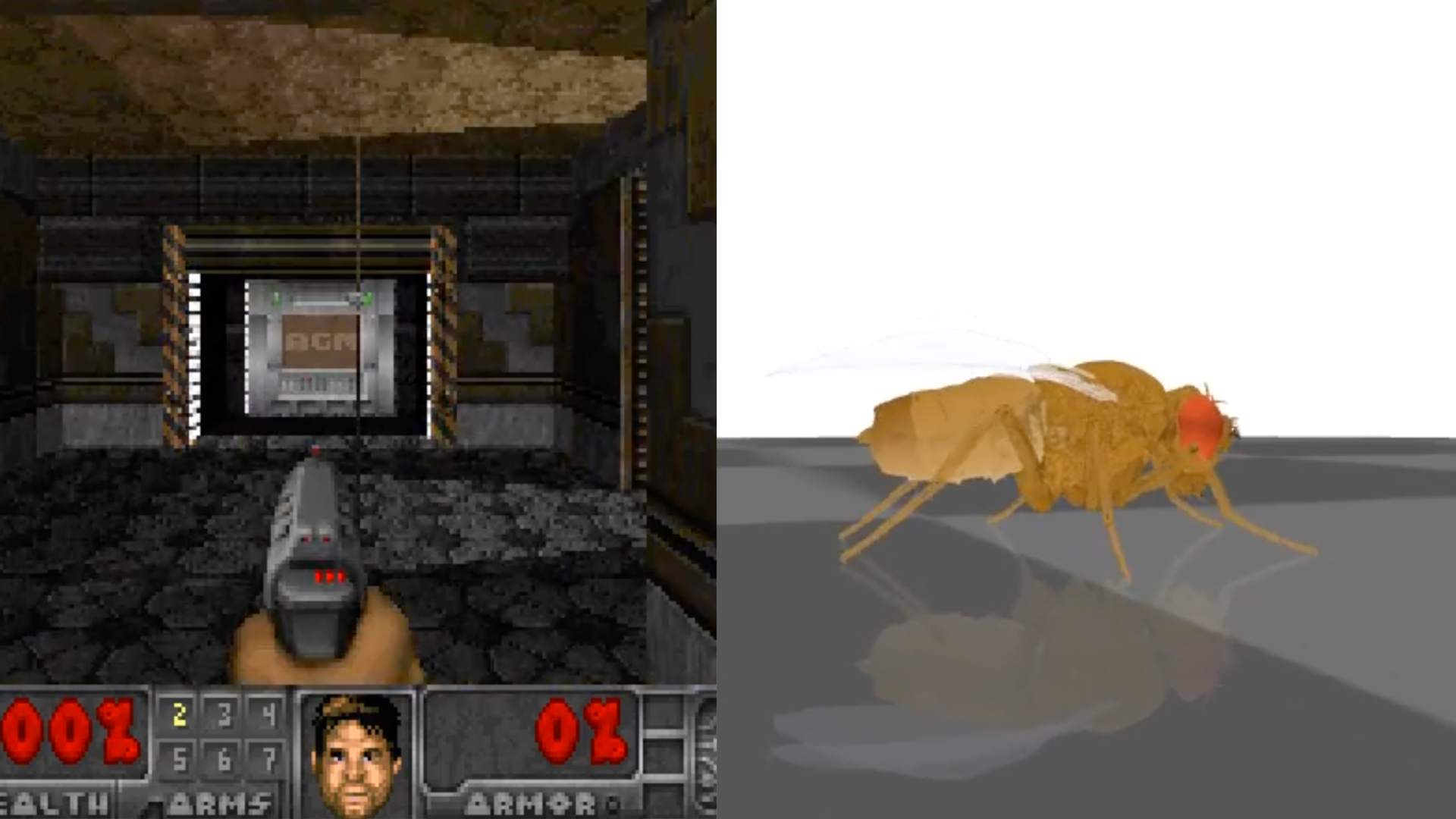
But can it run DOOM?!

Well...actually, yes. https://t.co/ZN6ELH751g pic.twitter.com/EYPCCeEgp4

— Andrei Apanasik 🔜 TGS (@a_apanasik) September 7, 2026

“We present the first finished connectome of an entire male Drosophila central nervous system, encompassing the central brain, optic lobes (analogous to mammalian retina) and the ventral nerve cord (analogous to the spinal cord),” the team announced in a press release on September 3. “Together with existing female connectomes, this resource enables the first comprehensive, synaptic-resolution comparison across sexes of an adult animal with complex anatomy and behaviors.”

The humble fruit fly is a powerhouse species in science for the same reason they might plague your kitchen—they reproduce quickly and are highly adaptable to different environments, distinguishing them as cheap and versatile model organisms. By virtually recreating their brains, researchers aim to make breakthroughs in neuroscience, pharmacology, biotechnology, artificial intelligence, and many other fields.

In the meantime, however, MaleCNS v1.0 has been enthusiastically received by online modders who have dropped the brain into a wide range of virtual environments and tasked it with different activities. Evan Sinclair Smith, a graduate student in computer science at Georgia Tech, pioneered the viral trend after he programmed the fly brain to play Minecraft. Within a day of releasing the results on September 4, the Minecraft fly had accumulated millions of views.

I’ve successfully run the full retained MaleCNS v1.0 fruit fly connectome, all 166,700 neurons, inside Minecraft, with its simulated neural activity driving a fly’s movement.

V1 Currently in development. Built with the help of GPT-6 Astra.

Props to the @OpenAI team and… https://t.co/wqsrsN5DFn pic.twitter.com/BN9cGvwVP1

— evnsnclr (@evnsnclr) September 4, 2026

“It's just been amazing how big this has gotten, and how many other people are just taking this idea and just making so many different creative projects,” Smith told 404 Media in a call. “That's been just really cool to see.”

In addition to playing video games, the fly has been trained to trade bitcoin (becoming “stonkfly”), write LinkedIn posts, and to retire to a virtual “fruit fly heaven.” Nico Christie, an entrepreneur and AI researcher, programmed the fly to be attracted to other males (becoming “bi fly”).

 In an email, Christie told 404 Media that he came across the trend on X and found it funny, but hoped to make “the science behind it more rigorous.”

I and @nicochristie ran the fly connectome and found the group of neurons (hΔH, hΔA, hΔI and hΔG) that could allow the fly to navigate using fast synaptic weight updates, not neural activations. This is fast-weight continual learning in a fly, something current LLMs don't do! https://t.co/TFgVaPA7B3 pic.twitter.com/kUqtfNTwQN

— Peter Wang (@BrainsAndTennis) September 14, 2026

In addition to fueling a wave of giddy online experimentation, the connectome has sparked moral and ethical debates on Reddit and other forums. However, it’s worth emphasizing that MaleCNS v1.0 is only a digital map of the brain that is not capable of sentience or conscious perception in any tangible biological sense. The connectome recreates a fly’s neural wirings and overall structure, but it does not contain any of the complex biochemical makeup of the real organism upon which it is based. 

Though the connectome has inspired a literal brain wave of online content, it is intended to be a resource for the scientific community. The female fruit fly brain that was released in 2024, known as FlyWire, has already been used in a host of studies about motor control, sensory systems, fly sociability, and more, according to the neuroscience publication The Transmitter. The completion of both the male and female fruit fly connectomes has also allowed researchers to assess differences in the neural wirings of this sexually dimorphic species.

 Smith, who made the Minecraft fly, hopes that these models will ultimately pave the way toward connectomes of the full human brain within his lifetime. Since the human brain contains 86 billion neurons, orders of magnitude more than the fruit fly brain, it would take an enormous amount of effort to create a digital copy with the same resolution as MaleCNS v1.0 or FlyWire. 

But Smith speculates that such an achievement could unlock new approaches to brain disorders, such as Alzheimer's disease, or enable human intelligence to navigate space missions without having to haul along our cumbersome meatbag bodies. 

“I think it has so many implications for understanding ourselves,” Smith said.

  • ✇404 Media
  • Mercury Is Shrinking Way Faster Than We Thought, Scientists Discover
    Welcome back to the Abstract! Here are the studies this week that got dumped, went high, shrank in size, and got the blues.First, you’ve heard of getting a feather in your cap, but what about a feather in some crap? That’s the upshot of a new study about rare bird remains found in dino doodoo. Then: a walk on titanosaur eggshells, the contractions of Mercury, and a luxe fishpond painting.As always, for more of my work, check out my book First Contact: The Story of Our Obsession with Aliens, or s
     

Mercury Is Shrinking Way Faster Than We Thought, Scientists Discover

12 septembre 2026 à 06:00
Mercury Is Shrinking Way Faster Than We Thought, Scientists Discover

Welcome back to the Abstract! Here are the studies this week that got dumped, went high, shrank in size, and got the blues.

First, you’ve heard of getting a feather in your cap, but what about a feather in some crap? That’s the upshot of a new study about rare bird remains found in dino doodoo. Then: a walk on titanosaur eggshells, the contractions of Mercury, and a luxe fishpond painting.

As always, for more of my work, check out my book First Contact: The Story of Our Obsession with Aliens, or subscribe to my personal newsletter the BeX Files. 

Birds of a feather are pooped out together

O'Connor, Jingmai et al. “Bird feathers from a Late Cretaceous coprolite.” Current Biology.

Some 66 million years ago, a bird ate a fish, and then a dinosaur—perhaps a T. rex—ate that bird. Subsequent to these events, the dinosaur took a dump. 

Time passed. The poop fossilized. A space rock hit Earth and wiped out most life. Fast forward to 2016, when the dino dookie was unearthed at the Hell Creek Formation in Montana, complete with exquisitely-preserved feathers from the bird, and fish scales from its last meal.

This incredible story is reported by scientists who have spent years studying the fossilized feces, known as a coprolite, with advanced imaging techniques. By sheer luck, this fossil contains extremely rare feathers from the Late Cretaceous, including “arguably the best-preserved feather ever recovered from Mesozoic lithic deposits,” according to the study.

Mercury Is Shrinking Way Faster Than We Thought, Scientists Discover
A feather found in poop. Image: Credit: O’Connor et al

“Here we report on an exceptionally preserved three-dimensional pennaceous feather preserved in a medium-sized theropod dinosaur coprolite,” said researchers led by Jingmai O’Connor of the Field Museum of Natural History in Chicago. The specimen “begins to fill in a critical gap in our understanding of feather morphology in the Late Cretaceous.” 

The fossil record contains some feathers from extinct birds, pterosaurs, and dinosaurs, which can be found etched into stone or encased in amber. But hardly any feathers from the final days of the age of dinosaurs, the Late Cretaceous, have survived. This gap in the record has stymied efforts to explain why only one family of birds, the Neornithes, survived the Cretaceous-Paleogene (K-Pg) extinction event to become the ancestors of all modern birds.

Mercury Is Shrinking Way Faster Than We Thought, Scientists Discover
Concept art of a theropod eating a bird eating a fish. Turtles look on. Image: Andrey Atuchin

Sometimes the answer to profound existential questions is hidden in unexpected places, like a very old piece of poop. O’Connor and her colleagues determined that the coprolite contains the first known feathers from a family of aquatic birds known as hesperornithiformes, which did not survive the asteroid impact. The team speculate that the birds’ plumage might have been less efficient at insulating the birds compared to Neornithean feathers, dooming the former lineage to death.

“These primitive plumaceous morphotypes may have been less effective for trapping air, resulting in extinction during the asteroid-induced impact winter largely responsible for the K-Pg mass extinction,” the researchers said.

The whole sequence of events reminds me of an infamous scene in Jurassic World in which a woman is captured by a pterosaur that is then swallowed by a giant mosasaur. I shudder to imagine what that coprolite would look like.

In other news…

If you want to make a titanosaur omelette…

Tanaka, Kohei et al. “Titanosaur eggshells from the latest Cretaceous of Patagonia, Argentina: implications for nesting at high latitude.” Royal Society Open Science.

What a treat—there is even more breaking news from the Late Cretaceous! Paleontologists have discovered a clutch of fossilized titanosaur eggs at the Chorrillo Formation of Patagonia, shedding new light on the breeding behaviors of the largest animals ever to walk on land.

The biggest titanosaurs tipped the scales at 70 metric tonnes—as heavy as the Space Shuttle, or ten African elephants in a trenchcoat—and they exceeded 120 feet in length. (If you ever visit the American Museum of Natural History in New York City, I recommend checking out the scale model of a titanosaur to behold the sheer spectacle of these extinct behemoths.) 

Mercury Is Shrinking Way Faster Than We Thought, Scientists Discover
Closeup of surface of eggshell from Fusioolithus oosp. from the Chorrillo Formation, southernmost Patagonia. Image: Tanaka, Kohei et al.

But even heavyweights start small; titanosaur hatchlings weighed in at six to eight pounds, on par with human newborns. Most of their eggshells have been discovered at low latitudes, suggesting that the animals preferred to lay their young in warm regions with maximum sunlight to aid incubation. But the new specimens were laid in a cool climate at unprecedented latitudes, around 55 to 60°S, and were likely buried under vegetation and warmed by microbial activity above them. 

“These eggshells provide, to our knowledge, the first indication that titanosaurs nested at relatively high latitudes,” said researchers led by Kohei Tanaka of the University of Tsukuba

“The eggs…would have been incubated in nests buried by nesting materials and would have used the heat generated by decaying vegetation” in order to nest in habitats “where sufficient heat from solar radiation was probably unavailable.”

Poopy feathers from the North and the eggshells of giants from the South?What a bounty of global offerings from the orifices of long-lost dinosaurs. 

A shrinking planetary violet

Nishiyama, Gaku et al. “Underestimation of Planetary Contraction due to 2 Obscuration by Surface Roughness: The Case of 3 Mercury.” Geophysical Research Letters.

Mercury is the solar system’s smallest planet, with a surface area roughly comparable to the size of the Indian Ocean. But scientists have discovered that the planet was much bigger at its birth, with a radius that may have been anywhere from four to six miles longer than it is today.

While it has long been known that Mercury has shrunk as it cooled over time, the extent of this “planetary contraction” may have been “underestimated by 10–30 percent,” according to a new study. By examining updated maps of the planet’s surface, scientists noticed that the rocky wrinkles left by its contraction, known as “shortening structures,” are not evenly distributed across its terrain, as predicted by models. 

The team realized that the messy fallout left over from impacts on the planet, known as “ejecta,” is obscuring a lot of these shortening structures, leading to previous underestimates of its shrinkage.  

Mercury Is Shrinking Way Faster Than We Thought, Scientists Discover
Mercury’s pockmarked surface. Image: NASA

“Our correction for Mercury’s radial contraction provides new insights into the planet’s thermal evolution” and “has a wide range of implications for the interior structure of the planet,” said researchers led by Gaku Nishiyama of the German Aerospace Center.

Fortunately, the mercurial nature of this world will be explored in more detail by BepiColombo, a European-Japanese space mission that is currently on track to scooch into orbit around the planet this November. Though this is the only planet in the solar system to be outranked by mere moons—Jupiter’s Ganymede and Saturn’s Titan are both bigger than Mercury—it still has plenty of big secrets left to spill.

Out of the Egyptian blue

Dilaria, Simone et al. “An Uncommon Instance of Egyptian Blue in the “Pigmented Intonachino” of the Fishpond Wall Painting From the Roman Villa of Torre di Pordenone (Northeast Italy).” Archaeometry.

To close, let’s step back in time 2,000 years to visit a luxury villa decorated with ostentatious displays of wealth, including a captivating painting of a fishpond. This colorful artwork once adorned the wall of the “Torre di Pordenone,” a resplendent home near Friuli-Venezia-Giulia in northeast Italy, and which now survives only as puzzle-piece remnants. 

Scientists have now discovered that the painting included the famous pigment “Egyptian blue,” which is considered the world’s oldest synthetic hue, dating back at least 5,000 years. The pigment was deliberately mixed with lime "to obtain homogeneous, pale blue tones for the marine background” offering “a rare example of Roman ‘blue lime-painted mortar,’ according to a new study.

Mercury Is Shrinking Way Faster Than We Thought, Scientists Discover
The process of making the marine painted wall. Image: Dilaria, Simone et al.

Apart from one other similar painting found at Tivoli, “the case of the Roman villa of Torre di Pordenone seems to represent a singular instance within the Roman wall painting production,” said researchers led by Simone Dilaria of the University of Padua, who added the pigment was “utilized with a notable degree of abundance, an ‘excess’ that permitted its direct incorporation into the mortar matrix itself.”

“Beyond merely reflecting the immense wealth of the villa's owner, this scale of consumption of Egyptian blue at Torre prompts a reconsideration of the pigment's value, availability, and modes of use in antiquity,” the team said. “Ultimately, this evidence suggests that while Egyptian blue remained a valuable commodity, its supply in ancient markets was significantly more consistent and well established than traditionally assumed, with quantities sufficient to support large-scale, high-quality decorative programs.”

While the full painting itself no longer survives, its fragments open a fascinating window into the luxury commodities of the era—and the timeless compulsion for the ultra-wealthy to splurge on flashy status symbols.

Thanks for reading! See you next week. 
❌