Vue normale

Russia can’t fill its own ranks—so it asks North Korea for 30,000 more soldiers and new missile launchers, Ukraine says
26 juillet 2026 à 13:56

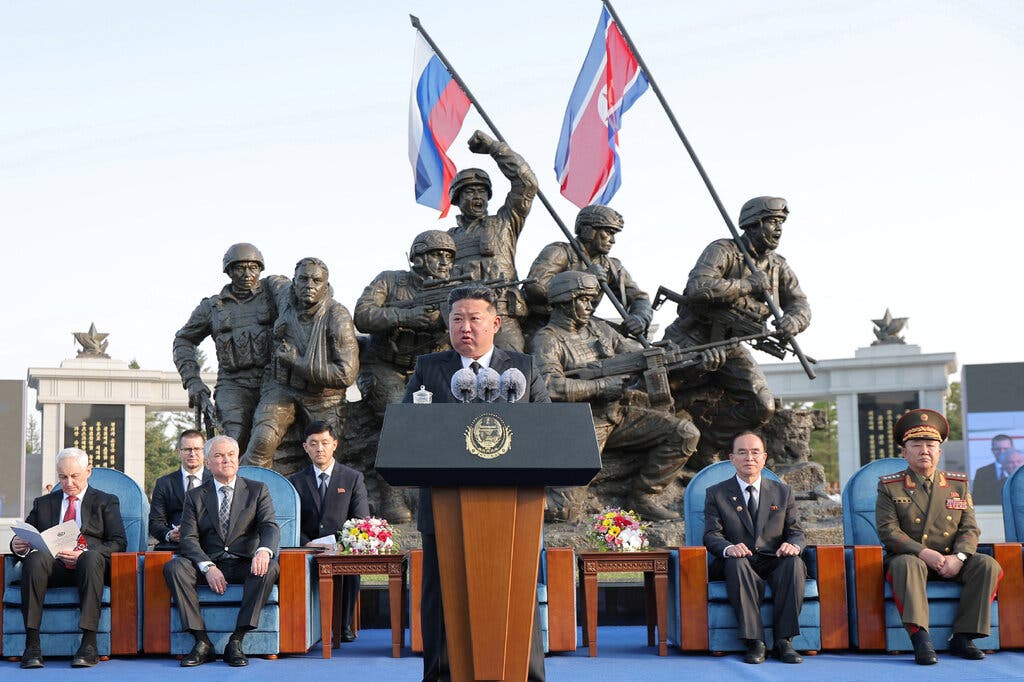
russia can't fill its own ranks—so asks north korea 30000 more soldiers new missile launchers ukraine says · post korean leader kim jong-un speaks opening memorial pyongyang russia's defense minister

Russia wants another 30,000 troops from North Korea and new ballistic-missile launchers as it prepares its options for the fall, Ukrainian President Volodymyr Zelenskyy said while discussing Ukrainian intelligence reports on Russia’s plans. The push lands as Russian casualties run ahead of new recruits, and as Kyiv sees preparations for a wider draft rather than any turn toward ending the war.

Moscow’s war economy is drawing on an increasingly scarce workforce: the army, defense production, emigration, and demographic decline have all reduced Russia’s available labor pool, while Russian personnel losses exceeded recruitment across the first half of 2026, according to the Ukrainian military.

More North Korean troops and ballistic-missile launchers

Russia wants another 30,000 troops from North Korea, and it has been readying Voronezh Oblast to receive them since June, Zelenskyy said in his evening address on 25 July. Pyongyang is also getting ready to transfer new launchers for ballistic missiles, he said. Militarnyi suggested that the launchers would probably come with ammunition. 
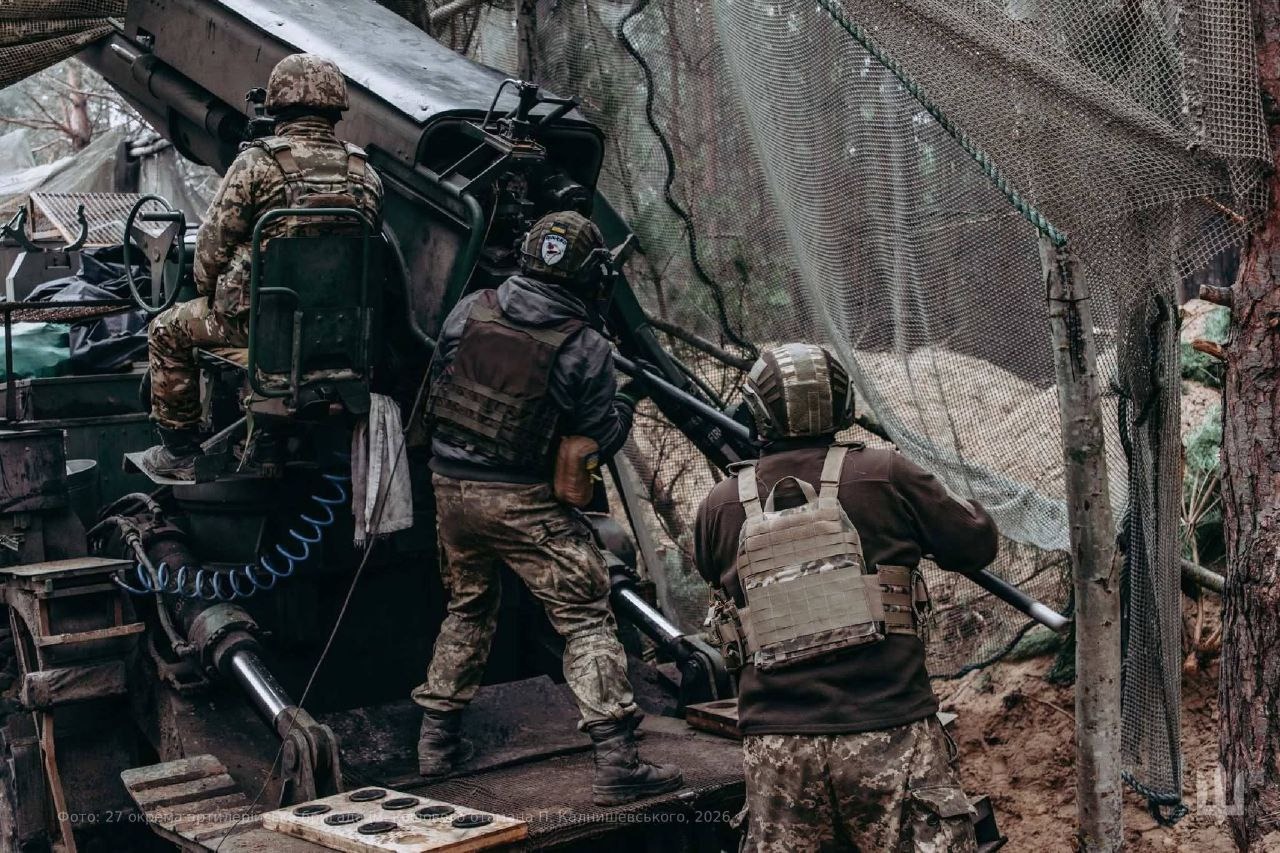
before russia's all-out war ukraine imported almost weapons four years later buys more than any country earth · post ukrainian gunners general staff armed forces artillerymen artillery gun howitzer shells
Explore further

300 defense factories, 500,000 workers: North Korea’s arms industry reaches records amid Russia’s demand for shells in war

Kyiv has watched Moscow work to enlarge the Korean force since at least July 2025, when Ukrainian intelligence projected another 25,000–30,000 troops. That was a planned deployment, not a confirmed transfer, andN orth Korea actually sent about 14,000 troops to Russia by January 2026, with more than 6,000 killed, wounded, or missing.

"This is a threat not only to Ukraine. Russia is helping North Korea learn to wage war, improving their weapons — giving them experience of real weapons use," Zelenskyy said. 

Those troops have been building that experience at the front for months. Anyone in Asia within reach of North Korean missiles faces this threat, he said, adding: "We will counter it."
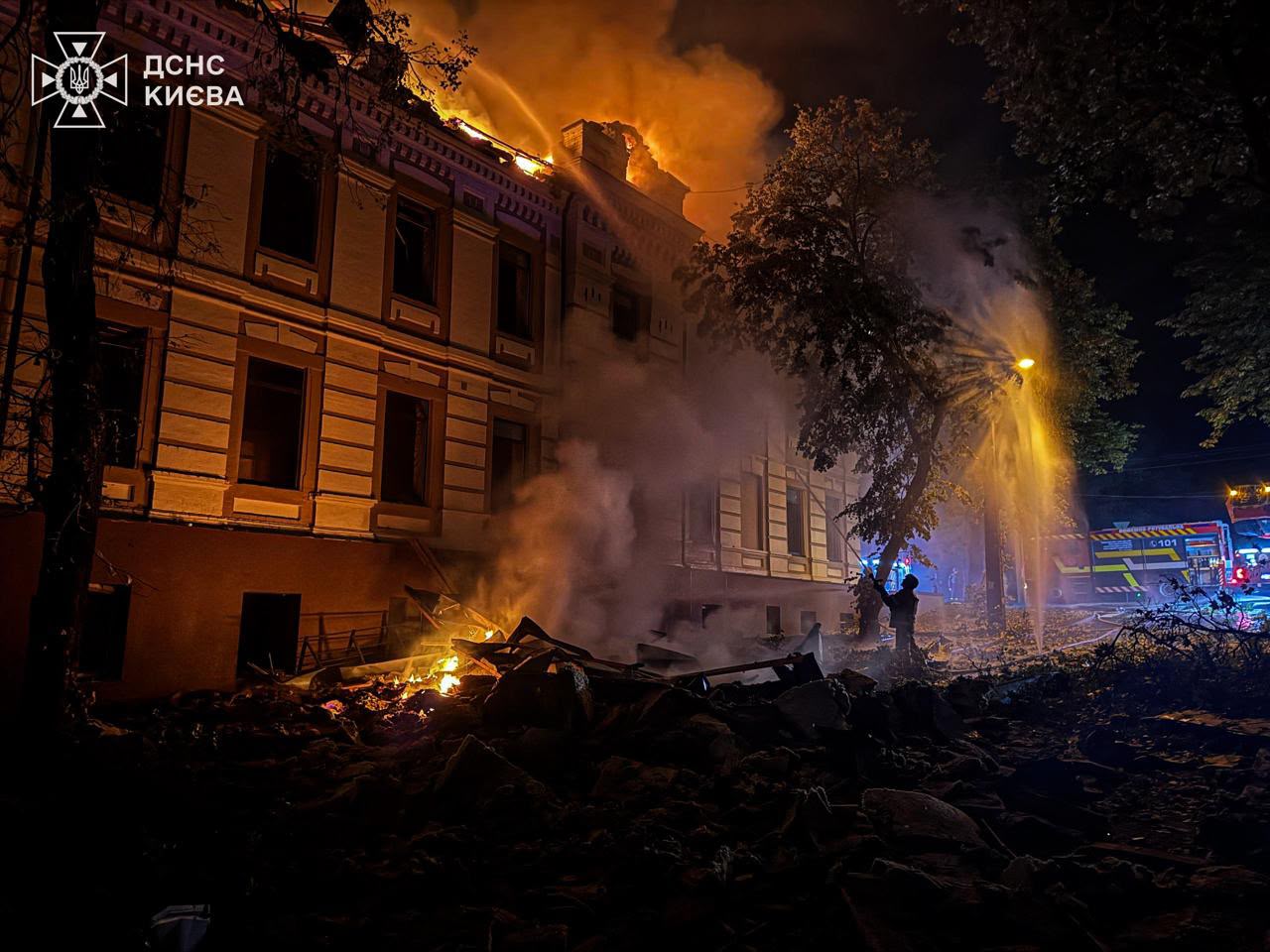
Aftermath of a massive Russian ballistic missile attack on Kyiv, 19 July 2026. Photo: Ukraine's State Emergency Service
Explore further

Russia launches record ballistic missile barrage on Kyiv, firing over 40 missiles in under an hour

Losses now outpace recruitment

Ukrainian intelligence has mapped out Russia's autumn plans, and peace is not in them, Zelenskyy said. Putin is laying the groundwork to widen mobilization, he said, citing the country's casualties. Over less than seven months this year, 221,000 people entered the Russian armed forces. Russian losses in that time came to nearly 225,500 — 131,000 killed and nearly 93,000 wounded, many of the wounds severe because Russian frontline medicine is extremely poor, he said.

Moscow's recruiting has fallen behind, and a broader call-up may arrive this autumn.

kim
Explore further

Kim Jong Un urges North Korean youth aged 14 to 30 to fight for Russia after losing 6,000 troops in Kursk

Russia's July missile use exceeds some monthly production estimates

In July 2026 it fired 107 ballistic missiles and 20 Zircon missiles by 19 July. Militarnyi compared the ballistic-missile count with estimated combined monthly output of roughly 100 9M723 and RM-48U missiles, although those categories are not fully identical.

Ukraine's Defense Ministry's military intelligence agency (HUR) estimate monthly output at about 60 9M723 missiles for the Iskander-M system and 40 RM-48U missiles fired from S-400 launchers, roughly 100 together. 

For all of 2026, though, Russia plans to produce only 30 Zircon missiles — and the 20 fired by 19 July equaled two-thirds of that planned annual output.
  • ✇Euromaidan Press
  • Year ago, Russia fired 28 ballistic missiles in month at Ukraine. Now it’s firing three times that
    Ukraine's air defenses achieved an 89% interception rate in June, but only 40% against ballistic missiles. Ukraine's Defense Ministry reported that of 6,000 Russian attack drones and missiles launched in June, air defense intercepted 5,300. The performance follows a documented trend. Ukraine climbed to 90% interception in March 2026 as Russia broke air-attack records. April held the 90% rate against nearly 6,000 targets. June shows a trend toward drones and cruise missiles,
     

Year ago, Russia fired 28 ballistic missiles in month at Ukraine. Now it’s firing three times that

9 juillet 2026 à 16:43

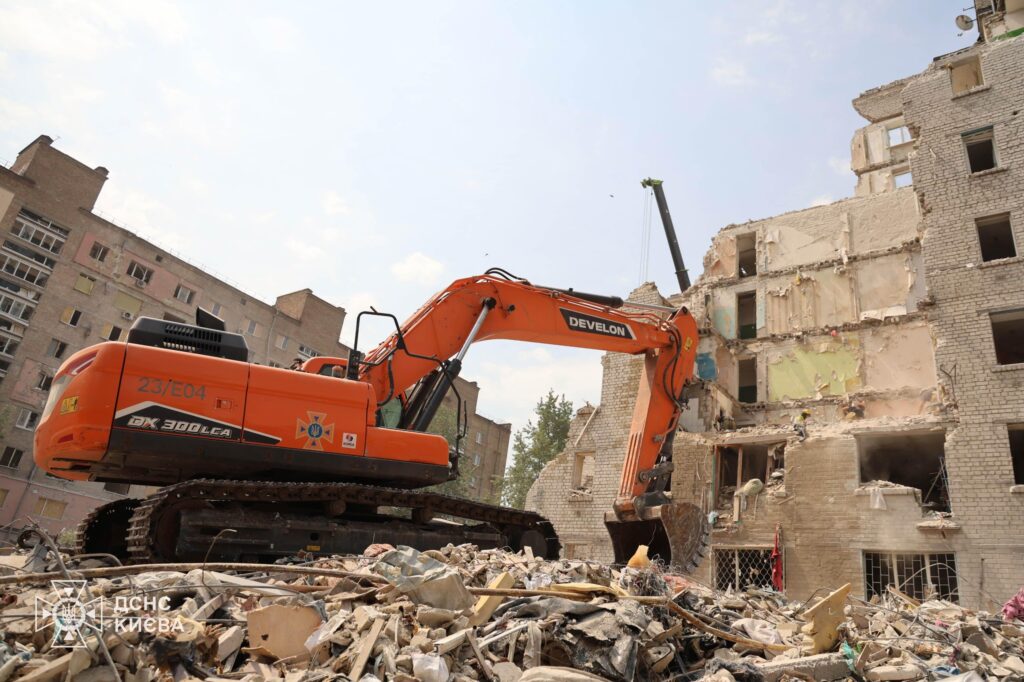
Emergency workers searching for people under rubble at the site of a Russian missile strike in Kyiv's Darnytskyi district on 3 July 2026. Photo: Ukraine's State Emergency Service

Ukraine's air defenses achieved an 89% interception rate in June, but only 40% against ballistic missiles. Ukraine's Defense Ministry reported that of 6,000 Russian attack drones and missiles launched in June, air defense intercepted 5,300.

The performance follows a documented trend. Ukraine climbed to 90% interception in March 2026 as Russia broke air-attack records. April held the 90% rate against nearly 6,000 targets. June shows a trend toward drones and cruise missiles, but the ballistic gap has widened relative to the rest of the threat profile. Ballistic missiles can only be reliably intercepted by scarce Patriot missiles.

Shahed-type drones (Shahed, Gerbera, Italmas) were intercepted at 90%, cruise missiles at 89.4%, and other missile types at 89.4%. Ballistic missiles remained the most difficult targets.

Russia sharply scaled up its ballistic missile use through 2026. Ukraine faced 28 monthly ballistic launches in January 2025. By January 2026, Russia set a monthly record of 91 ballistic missiles fired at Ukraine.

2 June and 15 June combined strikes tested the ballistic gap

Ukraine detailed two massive combined strikes in June. On the night of 2 June, Russia launched 8 Zircon anti-ship missiles, 33 Iskander-M ballistic missiles, 32 Kh-101 and Kalibr cruise missiles, and over 650 attack drones. Ukraine intercepted 92% of drones and cruise missiles, but shot down only 11 of the 41 ballistic missiles (27%).

On the night of 15 June, Russia launched 6 Zircon anti-ship missiles, 34 Iskander-M ballistic missiles, 30 Kh-101/Iskander-K cruise missiles, and 611 attack drones. Ukraine's air defense intercepted about half of the ballistic missiles, 95% of the drones, and all the cruise missiles.

The 15 June attack killed 5 in Kyiv, injured 35, and struck 42 locations across the capital.

Ballistic gap has no quick fix

Only Patriot systems reliably intercept Russian ballistic missiles, and Patriot interceptors are scarce. Only five or six countries in the world build ballistic-missile interceptors, defense expert Marc DeVore told Euromaidan Press. Russia produces about 70 ballistic missiles per month, and each typically requires two to three Patriots to stop.

Ukraine's Freya anti-ballistic project aims to fill the gap with a Ukrainian-made interceptor at roughly $700,000 per shot, but the first ballistic intercept is not targeted until ethe nd of 2027, per Euromaidan Press. Ukraine also expects deliveries of SAMP-T from France under an agreement Zelenskyy signed with President Macron. Both Patriot and SAMP-T deliveries take time due to global production bottlenecks and long queues from other countries.

❌