Connexion
Russia is hitting Ukrainian fuel stations 20 times a week. Ukrainian law tells them exactly where each one is
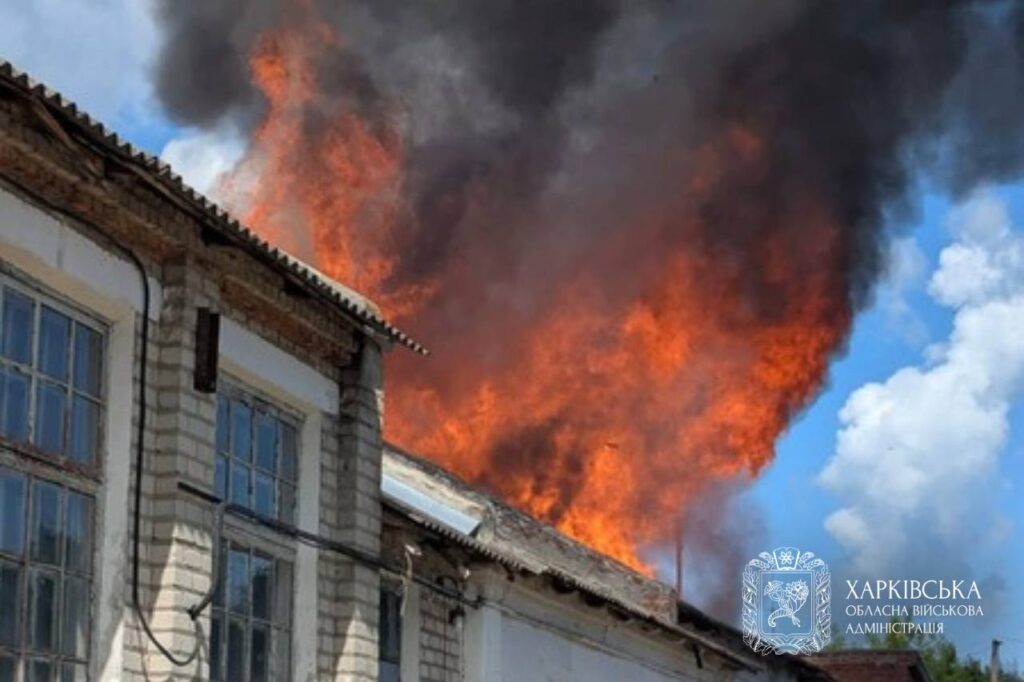
Russia has struck or damaged Ukrainian fuel stations at a rapidly accelerating pace since April 2026. According to Radio Liberty, the campaign combines attacks on civilian infrastructure with a propaganda effort aimed at Russian domestic audiences. A fuel market expert warns that Ukrainian licensing law embeds the exact address, ownership, and throughput of every registered station in each license—data that, even from a nominally closed registry, Russia can obtain through leaks.
Russia's campaign against Ukrainian civilian infrastructure has evolved across the full-scale war from power grids and heating systems toward any combustible civilian object that produces visible footage—a pattern where the propaganda value of the strike, not its military effect, increasingly drives the targeting logic.
The targeting campaign
Fuel-industry outlet Naftorynok recorded three to four Russian strikes on Ukrainian fuel stations per week through April 2026. The rate climbed to 13 per week by mid-June, then reached 20 per week by early July. Since April, Russia hit or damaged 186 fuel stations—concentrated in frontline oblasts including Kharkiv, Sumy, Donetsk, Dnipropetrovsk, Zaporizhzhia, and Mykolaiv.
The corridor between Dnipro and Kharkiv now has no intact station, Leonid Kosianchuk, former president of the Association of Petroleum Market Operators, told Radio Liberty.
The targeting intelligence problem
Ukraine's licensing law requires each license to state the exact address, ownership, and throughput of the registered facility. The licensee database is nominally closed to public access, but Kosianchuk said he cannot guarantee against data leaks—and called for the register to be sealed for the duration of the war.
"Russians don't even need to strain their intelligence services. "They can clearly understand at which kilometer of which highway a given station is located, who owns it, what volumes it sells" Kosianchuk said.
He is calling for the licensing law to be amended to remove the address requirement from licenses—not just restricting access to the database, but eliminating the data from the license itself.
Why Russia is doing it
The campaign serves two functions, Serhii Bratchuk, spokesman for the Ukrainian Volunteer Army, said. The first is domestic propaganda—producing footage of burning Ukrainian fuel infrastructure to mirror Ukrainian coverage of Russian refinery strikes.
"The pictures of our burning fuel stations are actively being used by the enemy to create the illusion of a fuel collapse in Ukraine," Bratchuk said.
Russia simultaneously circulates fake and outdated footage of queues at Ukrainian stations to trigger panic buying. Mykolaiv Oblast Military Administration Head Vitalii Kim described the targeting logic as producing smoke for television. Ukraine's military, he noted, does not refuel at commercial stations.
The second function is operational. Russia is concentrating strikes in frontline oblasts to complicate fuel access for civilian transport, medical workers, volunteers, and light military vehicles.
"Russia wants to paralyze civilian transport, our medics, volunteers, and complicate refueling of light military vehicles—pickups, buggies, quad bikes that operate along the front line," Bratchuk said.
Consequences and adaptation
Destroying one modern fuel station causes damage of over $1 million, specialists estimate—large national networks can absorb such losses, but regional operators face serious financial risk, Bratchuk noted. On 5 July, Sumy Oblast Military Administration Head Oleh Hryhorov warned residents to avoid fuel stations entirely after Russia signaled further strikes.
The Trostyanets city council in Sumy Oblast launched mobile fuel distribution points on 2 July, announcing vehicles would move locations "to prevent targeting by the aggressor." Zaporizhzhia Oblast has been covering stations with anti-drone nets since June. Mobile fuel distribution currently operates outside Ukrainian law, Kosianchuk noted, and he is calling for two legislative changes: amendments allowing mobile fuel retail, and repeal of the retail fuel tax.
Economy Minister Oleksii Soboliev told parliament on 3 July that there is no fuel deficit for the civilian sector—the market is supplied, and import contracts are being signed on time. The legal framework for distribution, however, has not caught up with the operational reality on the ground.
Read also
-
CEO of one of Ukraine’s biggest drone makers just got raided. He also owns outlet that exposed 25 non-combat deaths at military unit
-
Ukraine wants robots doing 100% of frontline logistics. In June, they ran nearly 17,000 supply and evacuation runs
-
Ukraine rewrote the Patriot playbook—but it’s still running out of missiles