The relative indifference to the news that the U.S. government now owes $40 trillion demonstrates how drastically the politics of deficit spending has changed.
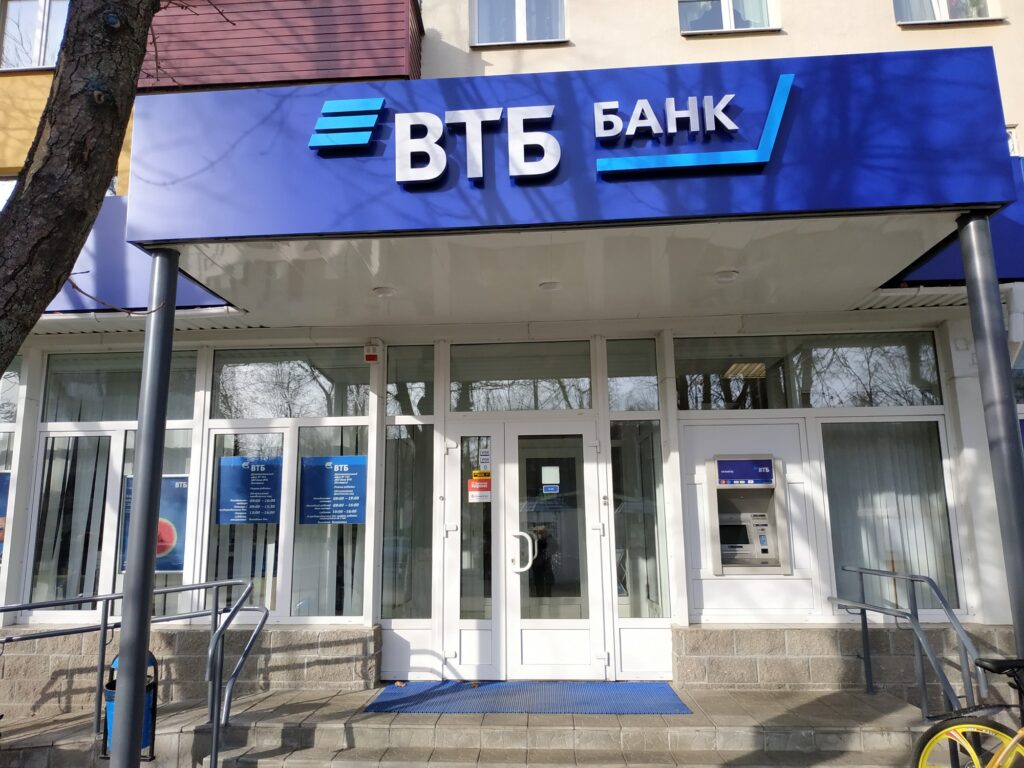
Shares in Russia’s second-largest bank VTB fell to an all-time intraday low of just under 50 rubles ($0.60) on 26 August, RBC’s exchange data showed. That was more than 40% below the 87-ruble (about $1) price set for a share sale partly intended to finance its Wildberries partnership. At that price, offering participants would pay about 75% more than investors buying the same shares on the stock market.
In the second quarter, the bank set aside 28% more for troubled loans while its profit fell by one-third.
VTB’s drop came amid a wider decline in Russian stocks. Kommersant’s market report said analysts also linked the fall to VTB’s own large new share issue.
Share issue could cut existing stakes by one-third
Under the bank’s offering plan, VTB could issue almost one new share for every two already in circulation. If VTB sold the full amount, an existing shareholder who bought no new shares would see their ownership stake fall by about one-third. VTB planned to finish the sale and close its Wildberries deal by 1 September.
The bank expected to raise 300–400 billion rubles ($3.6–$4.7 billion). VTB said it had assembled a group of large investors willing to participate but would not disclose who they were. Those investors would receive the same class of shares traded on the Moscow Exchange, but at the price fixed by VTB.
VTB described the partnership primarily as a route into Wildberries’ 80 million users—more than twice the bank’s own customer base. VTB would initially acquire a 5% stake in Wildberries’ banking arm, with the option to increase its holding later.
Reuters described both companies—Wildberries and rival Ozon—as central to Moscow’s plans to use online commerce as an engine of economic growth.
VTB held its price as shares fell
On 9 July, VTB kept its price even after the stock had fallen well below the offering price. The bank said its large, long-term investors were willing to look past short-term price swings.
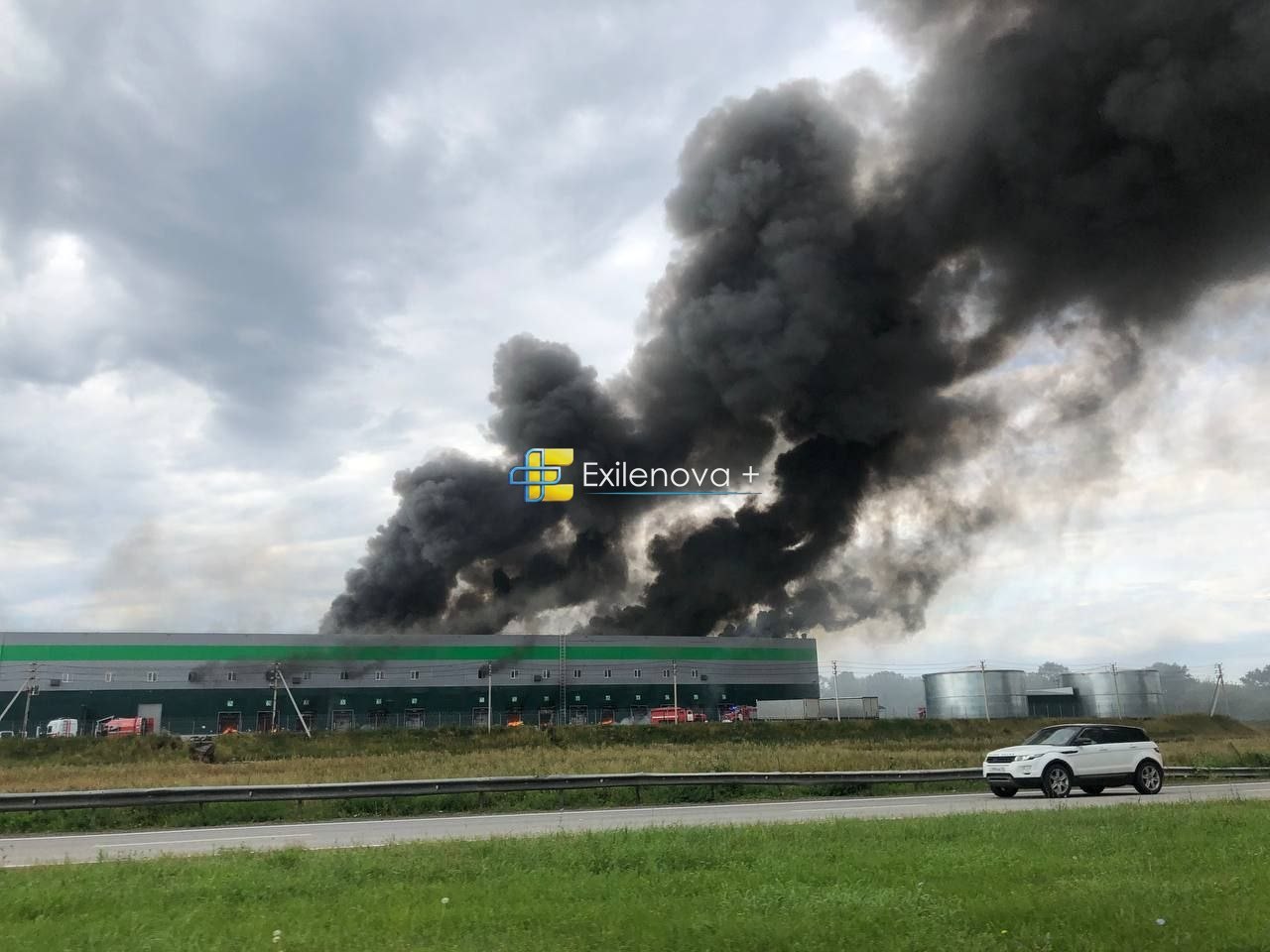
On 16 July, VTB hit another low as investors prepared for its dividend cutoff and the new share issue. The first drone strikes on Wildberries warehouses followed two days later.
Explore further
Is a fifth or well over half of Wildberries gone—or can both counts be right?
VTB’s first-half results showed that its profit fell by one-fifth from a year earlier. In the second quarter, the bank set aside 28% more for troubled loans while its profit fell by one-third.
After the attacks, Moscow considered supporting Wildberries and its sellers, with VTB expected to play a central role. VTB shares fell 2.5% on 28 July amid uncertainty over the partnership. “If we receive such a request, we will, of course, be open to various forms of lending support,” VTB’s first deputy CEO Dmitry Pyanov told Reuters.
It’s about ‘kitchen-table populism’: focusing on Americans’ day-to-day economic struggles
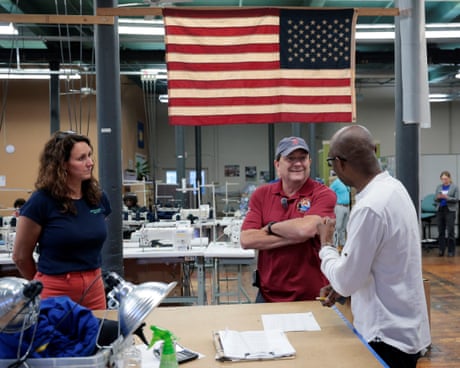
This year’s Democratic primaries look and sound a lot more populist than usual. Brian Poindexter, a union iron worker running on a “workers first” message, won a House primary outside Cleveland. Sherrod Brown is mounting a Senate comeback in Ohio on the same “rigged system” message that has allowed him to outshine other Democrats in Ohio. Troy Jackson, a fifth-generation logger who built his career fighting corporate landowners, is the Democratic Senate nominee in Maine. And Josh Turek, a self-described “prairie populist”, is on the Senate ballot in Iowa.
In fact, according to research we’ve conducted through the Center for Working-Class Politics (CWCP), more than 70% of 2026 Democratic candidates now rely on populist rhetoric in their campaigns, laying the blame for our broken system on rich elites of one kind or another.

 Connexion