Vue lecture

Shares in Russia’s second-largest bank hit record low as Wildberries-linked offering price holds steady
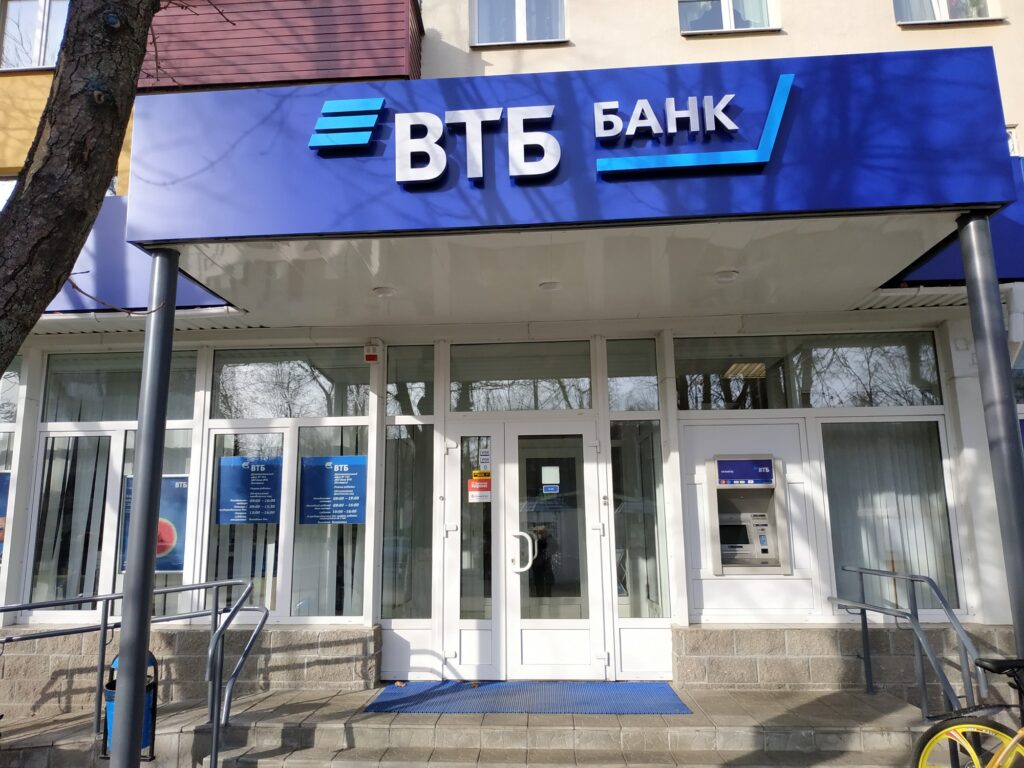
vtb bank branch in svietlahorsk, belarus

Shares in Russia’s second-largest bank VTB fell to an all-time intraday low of just under 50 rubles ($0.60) on 26 August, RBC’s exchange data showed. That was more than 40% below the 87-ruble (about $1) price set for a share sale partly intended to finance its Wildberries partnership. At that price, offering participants would pay about 75% more than investors buying the same shares on the stock market.

In the second quarter, the bank set aside 28% more for troubled loans while its profit fell by one-third.

VTB’s drop came amid a wider decline in Russian stocks. Kommersant’s market report said analysts also linked the fall to VTB’s own large new share issue.

Share issue could cut existing stakes by one-third

Under the bank’s offering plan, VTB could issue almost one new share for every two already in circulation. If VTB sold the full amount, an existing shareholder who bought no new shares would see their ownership stake fall by about one-third. VTB planned to finish the sale and close its Wildberries deal by 1 September.

The bank expected to raise 300–400 billion rubles ($3.6–$4.7 billion). VTB said it had assembled a group of large investors willing to participate but would not disclose who they were. Those investors would receive the same class of shares traded on the Moscow Exchange, but at the price fixed by VTB.

VTB described the partnership primarily as a route into Wildberries’ 80 million users—more than twice the bank’s own customer base. VTB would initially acquire a 5% stake in Wildberries’ banking arm, with the option to increase its holding later.

Reuters described both companies—Wildberries and rival Ozon—as central to Moscow’s plans to use online commerce as an engine of economic growth.

VTB held its price as shares fell

On 9 July, VTB kept its price even after the stock had fallen well below the offering price. The bank said its large, long-term investors were willing to look past short-term price swings.

On 16 July, VTB hit another low as investors prepared for its dividend cutoff and the new share issue. The first drone strikes on Wildberries warehouses followed two days later.
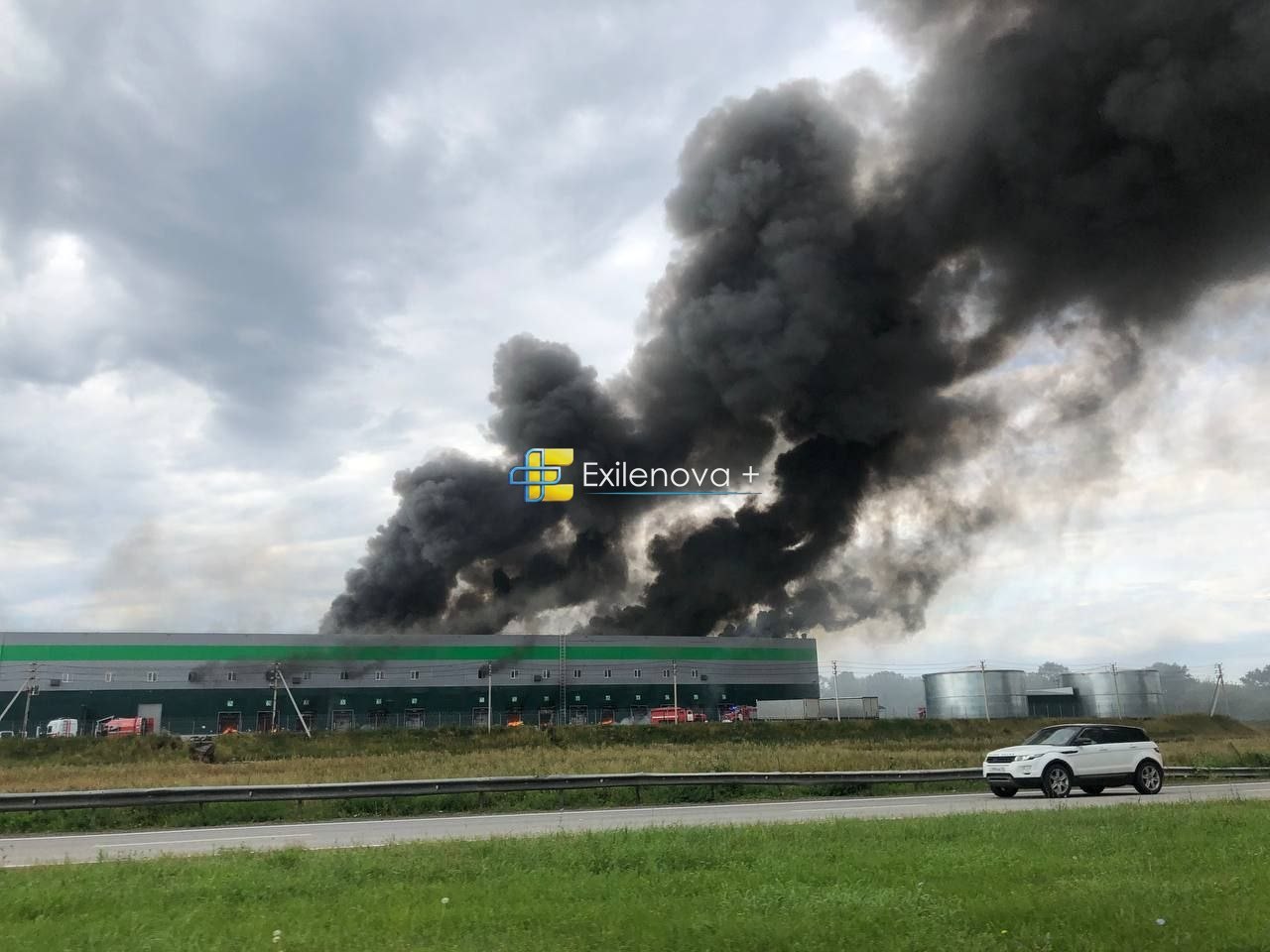
logistics centre in Bashkortostan, Russia,
Explore further

Is a fifth or well over half of Wildberries gone—or can both counts be right?

VTB’s first-half results showed that its profit fell by one-fifth from a year earlier. In the second quarter, the bank set aside 28% more for troubled loans while its profit fell by one-third.

After the attacks, Moscow considered supporting Wildberries and its sellers, with VTB expected to play a central role. VTB shares fell 2.5% on 28 July amid uncertainty over the partnership. “If we receive such a request, we will, of course, be open to various forms of lending support,” VTB’s first deputy CEO Dmitry Pyanov told Reuters.
  •  

Fifth drone-related NORSI shutdown in under five months leaves all major Lukoil refineries offline

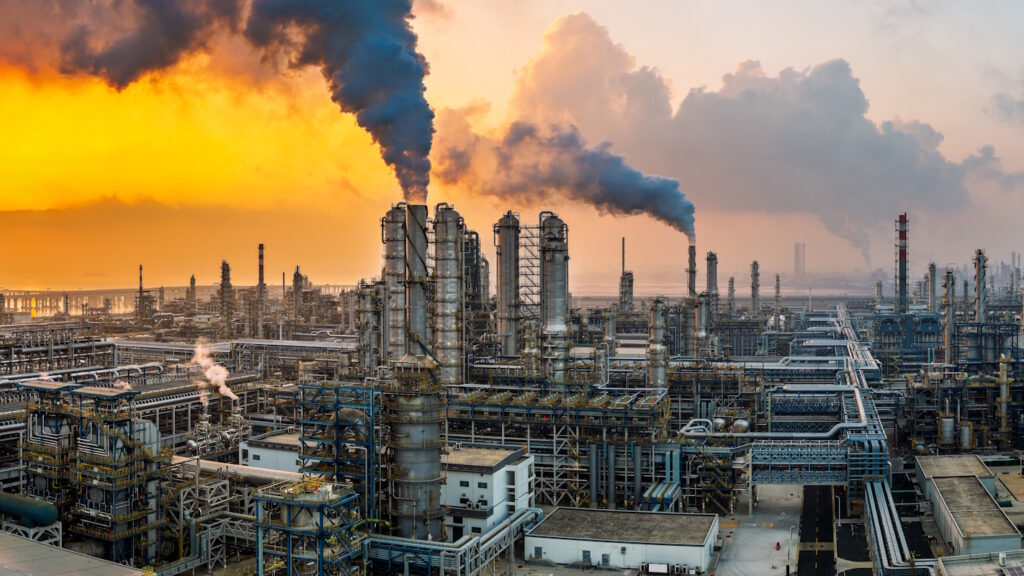
lukoil’s norsi refinery in kstovo, nizhny novgorod oblast

All of Lukoil’s major refineries in Russia are now offline after a Ukrainian drone strike halted crude processing at its NORSI plant on 26 August, Reuters reported the shutdown. NORSI is Russia’s fourth-largest refinery and second-largest gasoline producer.

The latest attack produced the plant’s fifth drone-related shutdown in less than five months.

Ukraine’s General Staff said it had struck the refinery in Kstovo, Nizhny Novgorod Oblast, where a fire subsequently broke out. It said the refinery helps supply Russia’s armed forces.

Industry sources told Reuters that several processing units and other plant infrastructure had been damaged. No repair timetable is available, and Lukoil did not respond to the agency’s request for comment.

NORSI can process about 15 million tons of crude annually and produce about 5 million tons of gasoline and more than 5 million tons of diesel, according to Reuters.

A Reuters dispatch in The Moscow Times said Lukoil listed no NORSI-made gasoline, diesel, or other petroleum products for sale on the St. Petersburg International Mercantile Exchange after the shutdown.

a car refuels at a gas station russia as gasoline shortage deepens
Explore further

Russia diverts defense-industry chemicals to gasoline—but stations still run dry

NORSI’s closure followed the complete shutdown of Lukoil’s Perm refinery after a 21 August drone strike. The company’s Volgograd plant had already stopped processing on 31 July.

The Moscow Times listed four previous occasions this year when drone strikes stopped NORSI from processing crude: 5 April, 20 May, 24 June, and 2 July. The latest attack, therefore, produced the plant’s fifth drone-related shutdown in less than five months.

Lukoil also operates a smaller refinery in Ukhta, which remains active.

Kremlin threatens retaliation

Nizhny Novgorod Oblast Governor Gleb Nikitin wrote that Russian forces had “repelled” more than 40 drones. He also reported damage to an unnamed industrial enterprise, several homes, and cars.

A day later, Kremlin spokesperson Dmitry Peskov promised a “harsh response” to Ukrainian strikes on Russia’s economic and trade infrastructure.

Russia is facing its second bout of fuel shortages this summer. Gasoline sales limits have returned to Moscow and St. Petersburg, while Rosneft has capped purchases at 30 liters per vehicle across its filling-station network, The Moscow Times reported.

Kommersant reported that Astrakhan Oblast had capped gasoline purchases at 30 liters and was serving drivers according to odd- and even-numbered license plates. Orenburg Oblast introduced a similar system and capped purchases at 30 liters to preserve supplies for emergency services and public transport, Governor Yevgeny Solntsev announced.

Five days before NORSI stopped, the Russian government ordered officials to distribute available fuel more evenly between and within regions. Russia also plans to extend its diesel export ban through September as refinery outages constrain domestic supplies.

  •  
❌