Vue lecture

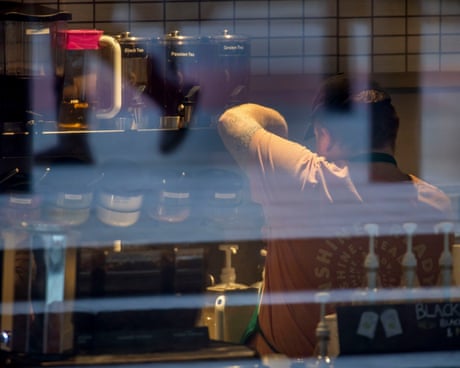
Starbucks baristas reel from surges in health insurance costs: ‘I’m considering a second job’

Several workers say they’re opting to go without health coverage due to premium costs soaring this year

Starbucks workers say their health insurance premiums have soared this year, in some cases more than doubling, according to a recent survey conducted by Starbucks Workers United.

The survey of more than 130 Starbucks workers in both unionized and non-unionized stores, shared exclusively with the Guardian, found baristas are experiencing significant hikes in costs for their health insurance coverage starting 1 October.

Continue reading...
© Photograph: Bloomberg/Getty Images
© Photograph: Bloomberg/Getty Images
© Photograph: Bloomberg/Getty Images
  •  

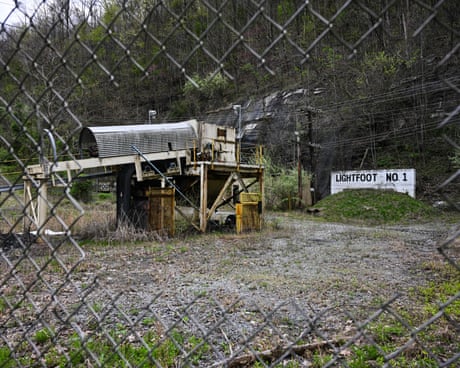
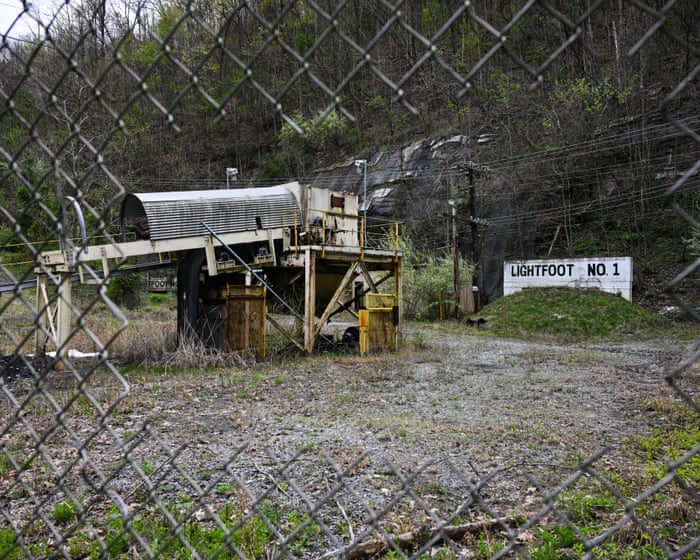
‘Do you have to be dead?’: US coalminers plead for benefits as black-lung disease cases surge

Trump says he digs coal – but pneumoconiosis cases are at a 50-year high, and sick miners are mired in benefit delays

For 38 years, Josh Armes worked as a coal miner in West Virginia and Virginia.

After retirement, Armes, 74, of Grundy, Virginia, was diagnosed with black lung disease, medically known as coal workers’ pneumoconiosis (CWP), caused by breathing in coal dust over long periods, which irreversibly damages the lungs.

Continue reading...

© Photograph: Ricky Carioti for The Washington Post via Getty Images

© Photograph: Ricky Carioti for The Washington Post via Getty Images

© Photograph: Ricky Carioti for The Washington Post via Getty Images

  •  

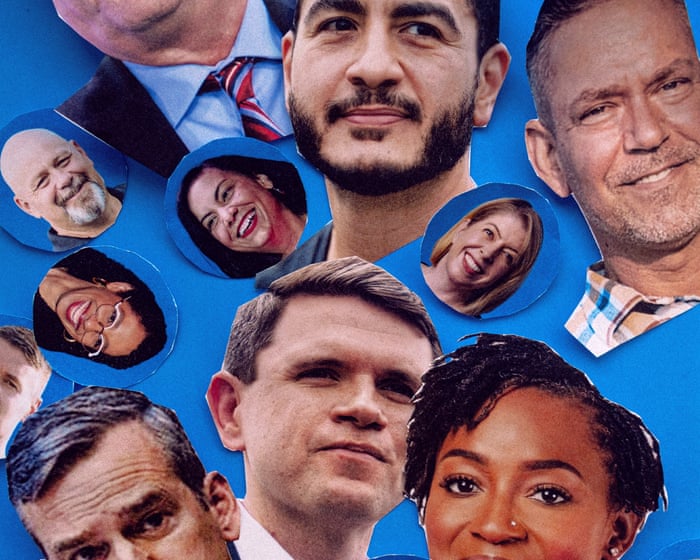
Revenge of the labor movement: Democrats with union backgrounds aim to retake Congress

Meet the candidates with labor ties vying for Senate and House seats in midterm races. Most of the nominees are Democrats as the party looks to rebuild support among working-class voters

The US labor movement is having a banner election year.

More than three dozen nominees for open House and Senate races across the US have backgrounds as labor union representatives or members.

Continue reading...

© Illustration: Julius Motal and Alvaro Dominguez / Guardian Design

© Illustration: Julius Motal and Alvaro Dominguez / Guardian Design

© Illustration: Julius Motal and Alvaro Dominguez / Guardian Design

  •  

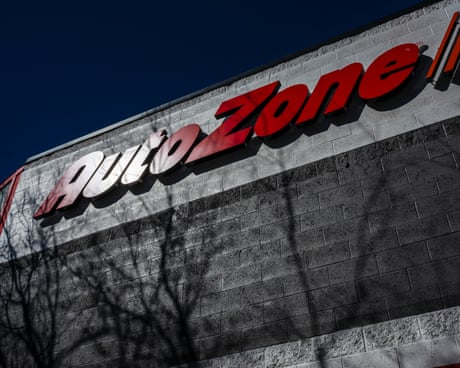
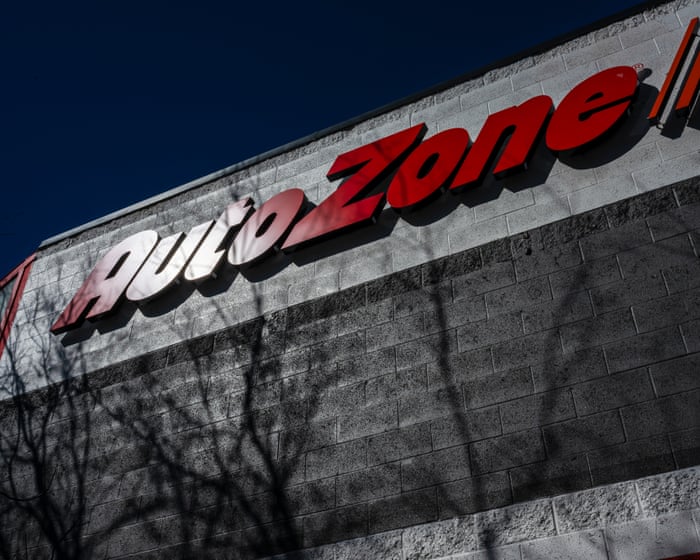
Workers in New York seek to create first AutoZone union as company resists

Company may have spent about $200,000 to fight union effort in White Plains, where 11 people can vote to join UAW

Workers at an AutoZone in White Plains, New York, are seeking to become the first store at the US’s largest auto parts retailer to win a union election, set to begin 25 September, despite a heavy-handed union opposition campaign from the company.

LaborLab, a non-profit workers’-rights watchdog, estimates AutoZone has spent around $200,000 to oppose the unionization effort at the White Plains store, where 11 workers are eligible to vote to join the United Auto Workers Local 259. The estimate is based on external attorney costs and internal costs of executive salaries based on reports from workers at the store.

Continue reading...

© Photograph: Bloomberg/Getty Images

© Photograph: Bloomberg/Getty Images

© Photograph: Bloomberg/Getty Images
  •  

House Democrats pitch bill to save people from having pay garnished for medical debt

Exclusive: Currently under federal law, up to 25% of a worker’s take-home earnings can be collected

House Democrats introduced a bill Monday that would prevent workers from having their wages garnished for medical debt collection.

The bill would amend the Fair Labor Standards Act of 1938 to include a ban on wage garnishment for medical debt and prohibit any state or court from issuing or enforcing such wage garnishments.

Continue reading...

© Photograph: Thomas Barwick/Getty Images

© Photograph: Thomas Barwick/Getty Images

© Photograph: Thomas Barwick/Getty Images

  •  

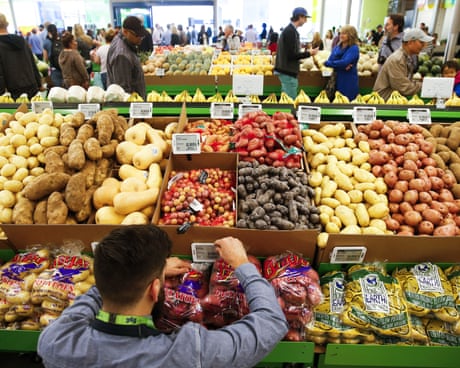
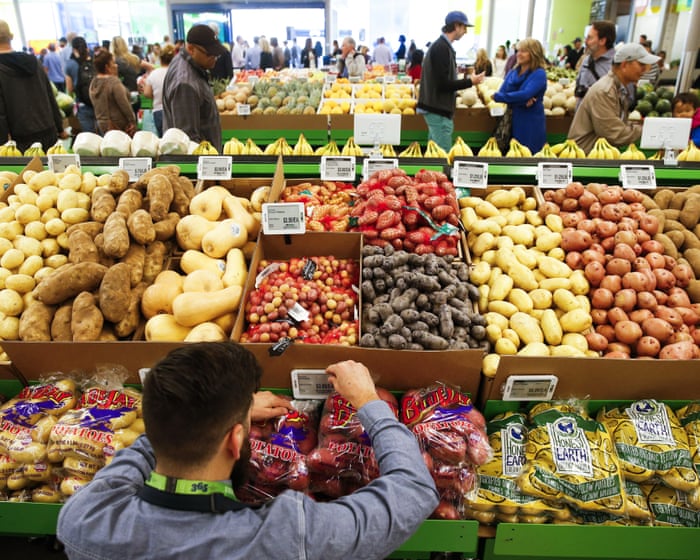
Electronic shelf labels likely to cost jobs and drive up grocery prices, US report warns

AFL-CIO calls for ban on such labels to protect consumers and workers from surveillance pricing and job cuts

The universal adoption of electronic shelf labels in grocery stores across the US could cost tens of thousands of jobs and billions of dollars in lost wages while further driving up grocery costs, according to a report released on Tuesday.

An analysis by the AFL-CIO Tech Institute of the label manufacturers’ own marketing materials found the universal adoption of electronic shelf labels, which are marketed to retailers as a cost-cutting measure, could cost workers between $1.6bn and $6.9bn in lost wages annually and affect between 44,223 and 191,633 jobs.

Continue reading...

© Photograph: Patrick T Fallon/Bloomberg via Getty Images

© Photograph: Patrick T Fallon/Bloomberg via Getty Images

© Photograph: Patrick T Fallon/Bloomberg via Getty Images

  •  
❌