
 Connexion
An EU candidate’s port received 145 ships from occupied Ukraine in six months
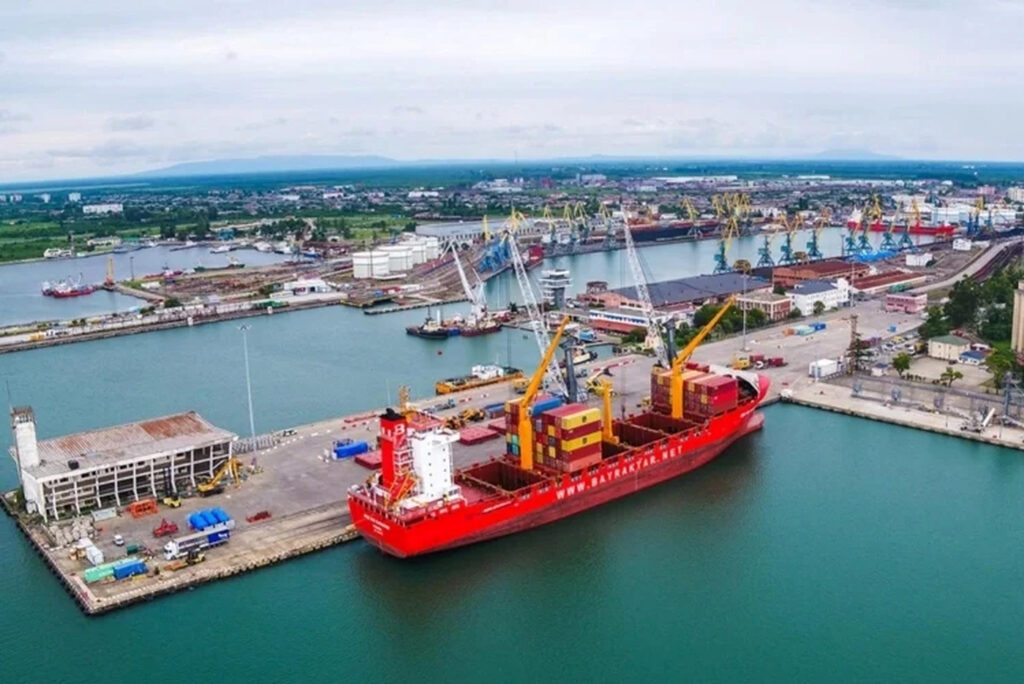
Western sanctions and Ukrainian drones are squeezing Russia’s Black Sea trade in looted goods, but they are not stopping it. The networks are finding new routes—and one of them now runs through Georgia, a country that one day hopes to join the European Union.
A new study finds that ships arriving from Russian-occupied Ukrainian ports are turning up at Georgia’s port of Poti far more often than they used to.
The same links that allow Russia to profit give Europe leverage to disrupt those networks.
The numbers climb steeply: 22 visits in the second half of 2023, 68 in 2024, and 145 in the first half of 2025 alone—on course, the study estimates, to nearly five times the 2024 total. Türkiye’s ports still take most of this traffic, but Poti is rising fastest.
The increase has tracked the Georgian Dream government’s drift toward Moscow since a disputed October 2024 election, a slide the European Parliament condemned as evidence of state capture. The authors caution that they cannot yet prove the shift is the result of deliberate policy.
A $120 billion pipeline that reaches into Europe
The study, which maps how Russia sustains and profits from its war on Ukraine, was produced by the Serious Organised Crime and Anti-Corruption Evidence Programme at the University of Birmingham and funded by the British government.
It follows goods moving through Black Sea shipping—worth about $120 billion a year—with military supplies flowing in and grain, coal, metal, and kaolin clay stripped from occupied territory flowing out, alongside oil sold above the price cap set by the Group of Seven in 2022. The study’s authors, Olivia Allison and Joshua Coyle, argue this trade is not a by-product of the war but an essential part of it, and one that reaches deep into European business.
The rerouting is happening under mounting pressure. Ukraine has spent 2026 hunting Russia’s Black Sea tankers and cargo ships, hitting 201 vessels in three weeks this July, according to the commander of its drone forces, Robert Brovdi, while the European Union and others tighten sanctions on the ports and ships involved.
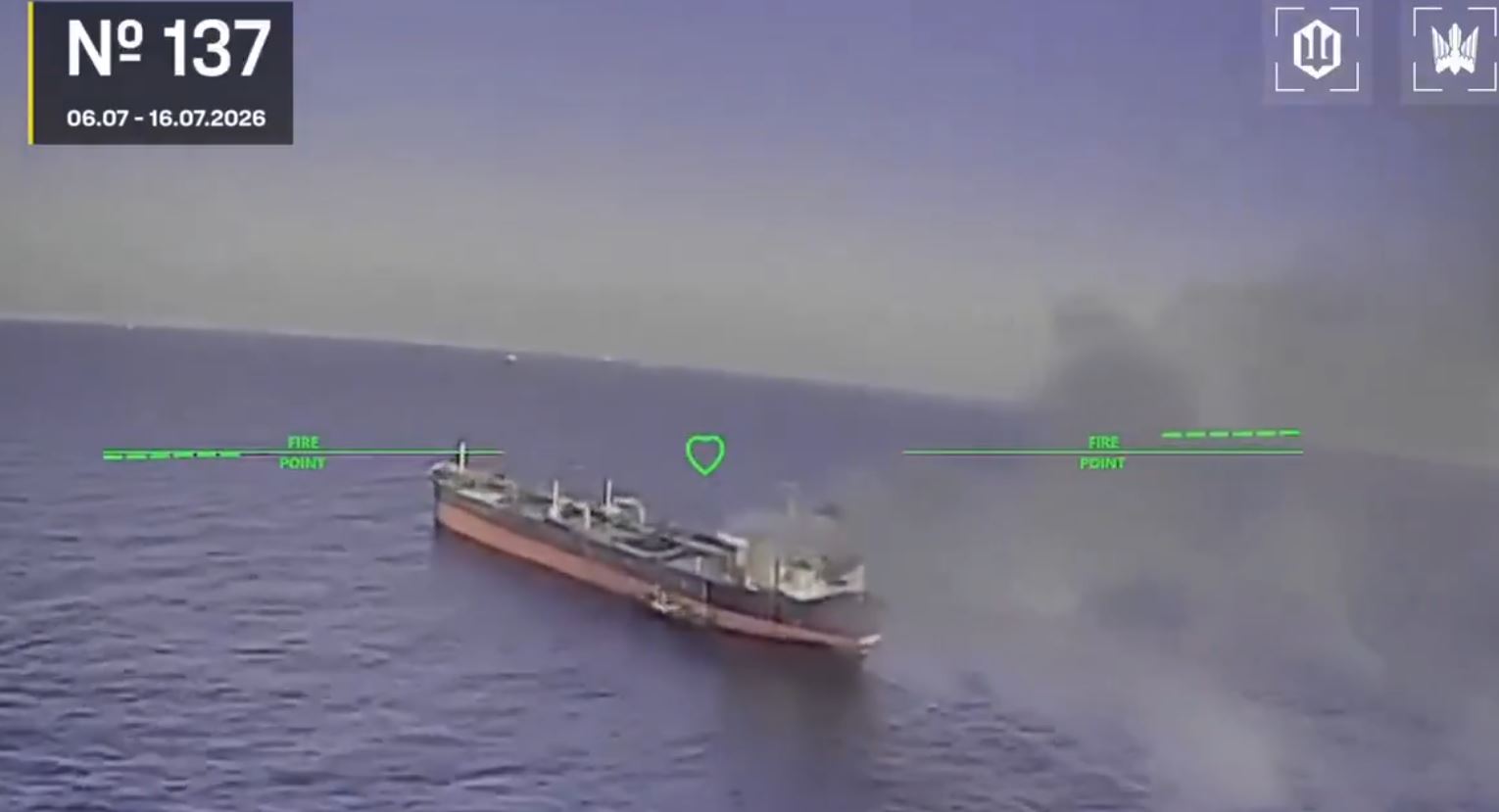
Ukraine hits 201 Russian shadow fleet ships in three weeks. Commander says Crimea’s supply route is now blocked indefinitely
Grain is at the center of the trade. Investigators have documented Russia plundering the harvest in occupied Kherson and Zaporizhzhia, relabeling it as Russian, and selling it on to buyers in the Middle East and Africa. Ukrainian authorities have been tracking multiple ships carrying that grain to Israel, Egypt, and Algeria.
The upheaval reaches the top of Russia’s own grain business. In January 2025, a Russian court handed Rodnye Polya—for years the country’s largest grain exporter—to the state, ruling that its owner, Petr Khodykin, could not legally hold a strategic asset because he was a citizen of both Saint Kitts and Nevis and Russia.
The seizure did not prove a windfall. After an earlier auction drew no bids, the state sold the company in July 2026 for 11.7 billion roubles (about $150 million)—a small fraction of its former annual revenue—to a little-known firm that, as Kommersant reported, was acting for a grain holding part-owned by the sovereign wealth fund of Oman.
A vulnerability that runs both ways
On both ends of the trade, the study argues, are European companies. One Turkish port that receives ships arriving straight from occupied Crimea is run by a firm with a Dutch parent and a Taiwanese ultimate owner. Vessels in the trade, meanwhile, have been repaired in European Union shipyards and fitted with European-made cranes.
That overlap, the authors write, cuts both ways: the same links that allow Russia to profit give Europe leverage to disrupt those networks. The bloc’s newest sanctions package has begun to use it, targeting the shadow fleet, banks, and firms selling stolen Ukrainian grain.

EU’s 21st Russia sanctions package will target the shadow fleet, banks, and firms selling stolen Ukrainian grain—Politico
Whether Georgia’s opening ports reflect a deliberate choice or simply the path of least resistance, the researchers do not say. Their data show only that the traffic keeps growing.
