Consulting giant Accenture has told many employees that the company will now only spend $29 a month per person on Claude. Employees subject to the cap, some of whom had been spending as much as $1,000 monthly, are scrambling to find ways to make sure they can keep spending as much as they already are.The news is a snapshot of what continues to play out across all sorts of industries: companies have spent heavily on AI tools, and are now discovering that many users are burning or “chewing” thr
Consulting giant Accenture has told many employees that the company will now only spend $29 a month per person on Claude. Employees subject to the cap, some of whom had been spending as much as $1,000 monthly, are scrambling to find ways to make sure they can keep spending as much as they already are.
The news is a snapshot of what continues to play out across all sorts of industries: companies have spent heavily on AI tools, and are now discovering that many users are burning or “chewing” through AI tokens at a rapid clip. In response, many companies have curbed their employees’ AI use. There is a special irony to Accenture doing much of the same, when it is a company that has encouraged its clients to invest heavily into AI.
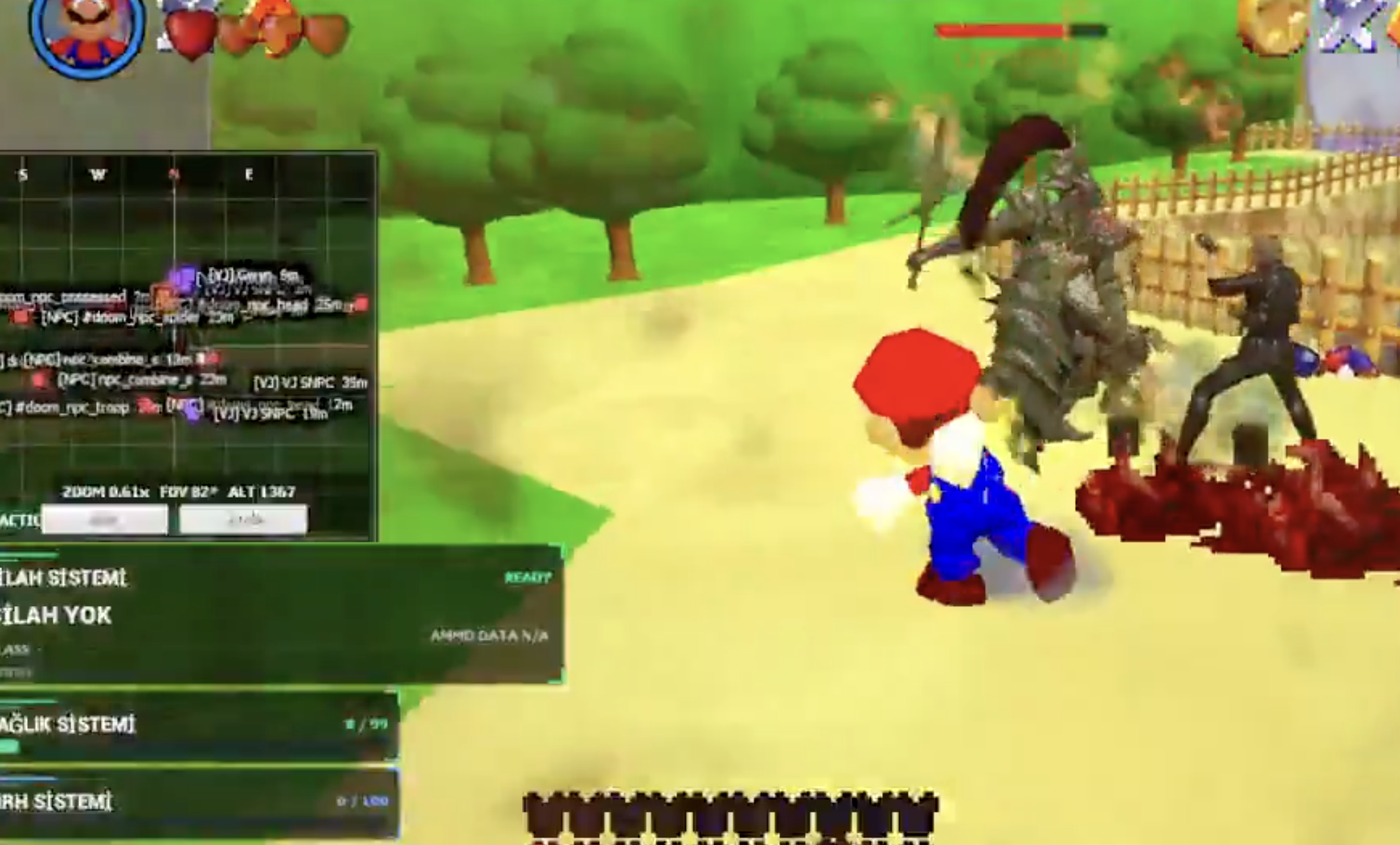
A website that was dedicated to the human endeavor of reverse engineering, “decompiling,” and modifying video games is shutting down because people using AI to clone and decompile games have fully overrun the community and are far outpacing what human software engineers alone can do. The news comes as AI-coded “clones” of popular enterprise software like the Adobe creative suite and Microsoft Office have gone viral and are seemingly popping up every day, and as people in video game modding co
A website that was dedicated to the human endeavor of reverse engineering, “decompiling,” and modifying video games is shutting down because people using AI to clone and decompile games have fully overrun the community and are far outpacing what human software engineers alone can do. The news comes as AI-coded “clones” of popular enterprise software like the Adobe creative suite and Microsoft Office have gone viral and are seemingly popping up every day, and as people in video game modding communities warn that 'AI decomps' are everywhere.
The website decomp.dev said Thursday that it is shutting down because “the community aspect of decompilation has been broken” by AI, and that projects that once required intense collaboration between people with different skills can now be done trivially with AI. The administrator of the website said that it has become impossible to keep track of which projects are primarily human-led and which ones are done by AI.
“Historically, matching decompilation has been a brutally difficult, time consuming task, on the scale of years for any moderately-sized game with a number of active contributors,” the pseudonymous admin of decomp.dev, who goes by Encounter, wrote on the site.
But recent frontier AI models like GPT-6-Astra have made it trivially easy to decompile a game: “They are significantly better at following complex directions, cross-referencing resources for symbols or debug information, and writing natural code with enough guidance,” Encounter wrote. “It is now clear that, with the right guidance, human input, and code reviews, AI can expedite the decompilation process in a significant way. What is also now clear is that the community aspect of decompilation has been broken.”
OpenAI lets anyone inject ads into ChatGPT users’ sessions, targeting specific groups of people based on their email address, phone number, or a unique identifier on their phone, according to 404 Media’s own tests of ChatGPT’s advertising ecosystem.While the ad targeting available in ChatGPT is somewhat standard practice across the advertising industry, the chatbot’s one billion monthly active users may not understand they, in some cases, are being specifically targeted because of their perso
OpenAI lets anyone inject ads into ChatGPT users’ sessions, targeting specific groups of people based on their email address, phone number, or a unique identifier on their phone, according to 404 Media’s own tests of ChatGPT’s advertising ecosystem.
While the ad targeting available in ChatGPT is somewhat standard practice across the advertising industry, the chatbot’s one billion monthly active users may not understand they, in some cases, are being specifically targeted because of their personal data the advertiser has uploaded to OpenAI. ChatGPT’s ad targeting is also novel in that it is also based on the prompts users enter into the chatbot, prompts that users may assume are private but which, as 404 Media has previously shown, may be reviewed by humans. Or in this case, used for ad targeting purposes.

 Connexion