
 Connexion
Ukraine’s chief prosecutor fled. Politicians still choose the man who can prosecute them.
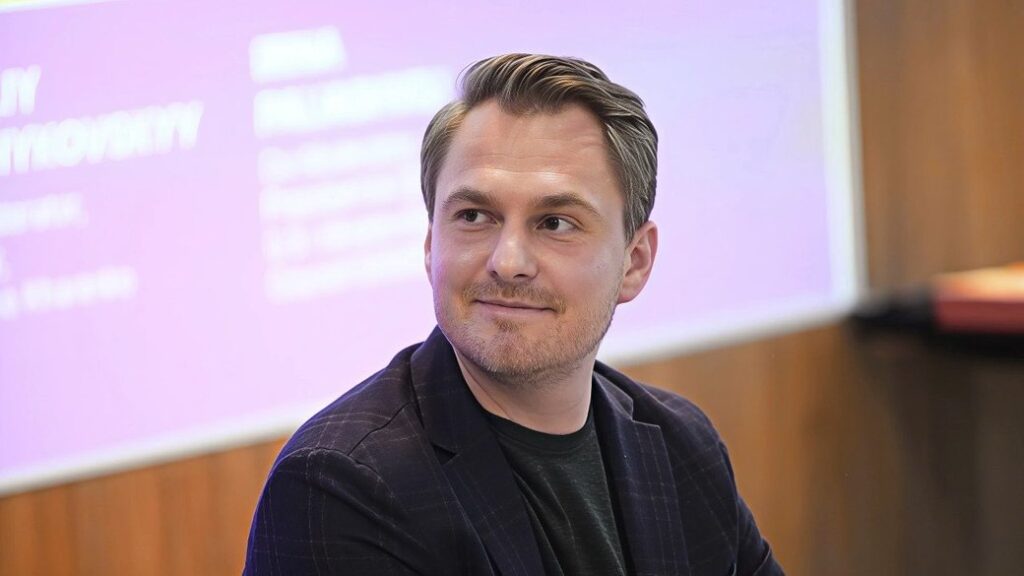
At 2:30 in the morning of 14 September, one week after he first claimed his innocence and then resigned, Ukraine's prosecutor general Ruslan Kravchenko crossed the border and left the country. Hours before he went, he used his office to sign a criminal suspicion against the chief of the anti-corruption bureau investigating him. His wife had crossed a day earlier.
Such was the unglorious fate of President Zelenskyy's man, the prosecutor general who in July 2025 nearly leashed Ukraine's independent anti-corruption agencies. Saved by mass street protests, the anti-graft institutions built after the Euromaidan revolution rebounded, and went first after President Zelenskyy's friend Tymur Mindich, then after his right hand Andriy Yermak.
And now they had reached the prosecutor general himself: in Ukraine, the one official who can veto any anti-corruption case against a member of parliament.
"For the first time in Ukraine, after a suspicion was announced, it was the prosecutor who fled abroad, not the suspect," anti-corruption campaigner Daria Kaleniuk wrote as it happened.
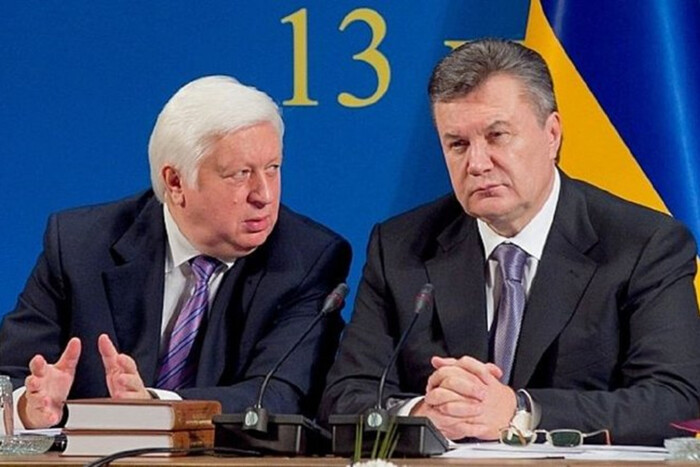
Things are, of course, far better than in 2014, when then Prosecutor General Pshonka criminalized the Euromaidan revolution and pursued the political rivals of then President Yanukovych, before both fled to Russia. Papers later found in Pshonka's abandoned mansion, published by Ukrainska Pravda, showed his office drawing up plans to arrest MPs and open thousands of criminal cases against Maidan activists, using prosecution, in the office's own notes, as a political instrument.
But things are still not as good as in 2019, the one time the office worked the other way. That year Ukraine's new chief prosecutor, Ruslan Riaboshapka, named fresh suspects in the PrivatBank case, which ran into Ihor Kolomoisky, the oligarch whose television channel had helped put Zelenskyy in office. He also refused to sign charges against Zelenskyy's political opponent Petro Poroshenko, calling them groundless.
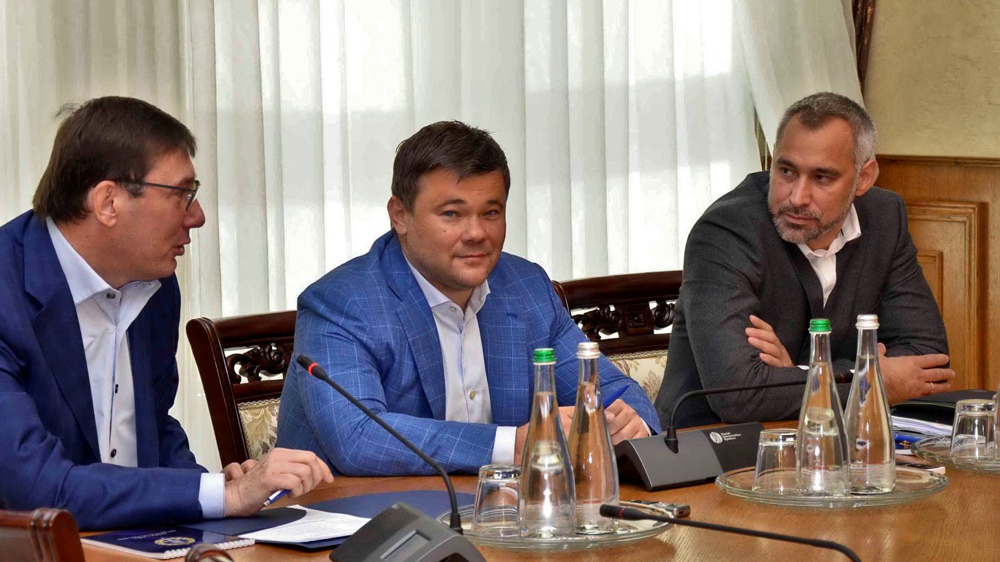
Signature-gathering for Riaboshapka's dismissal began the next day. Parliament removed him in March 2020, and his successor rolled back the reforms he had tried to launch. David Arakhamia, the head of Zelenskyy's parliamentary faction, later named the refusal to charge Poroshenko as the last drop.
It keeps repeating. The official whose job is to hold the powerful to account ends up serving them instead.
Of the prosecutors general who followed Riaboshapka, two left under a cloud.
Andriy Kostin resigned in 2024 after investigators exposed a nationwide market in fake disability certificates used to dodge mobilization, a scheme that reached prosecutors inside his own service. And now Kravchenko, whom Ukraine's anti-corruption agencies had begun investigating over the alleged protection of an international network of fraudulent call centers.

It keeps repeating. The official whose job is to hold the powerful to account ends up serving them instead. The problem is structural, and so is the fix: the same mechanism behind Ukraine's working post-Euromaidan reforms. A bill to have independent experts vet candidates for the Prosecutor General exists; it has sat in parliament since June, untouched.
Whether Zelenskyy's Servant of the People party, which holds the Rada majority, will let it move is unclear. What hangs on the answer is whether Ukraine finishes becoming a state of law, or stays a state of protection.
Unlimited power, total political control

For the office meant to guarantee that everyone, including those in power, is equal before the law, real powers are necessary. The problem in Ukraine, said Iryna Korzhenkova, a parliamentary analyst at the Chesno movement for political transparency, is that those powers come bundled with total political control.
The president appoints the prosecutor general with the Rada's consent, under a procedure that provides neither transparent selection nor any assessment of competence. He can be dismissed by a simple 226-vote majority. No prosecutor general has served a full term, and the average tenure is under two years.
"The position that is supposed to keep politicians in check works as their insurance policy instead," Korzhenkova told Euromaidan Press.
Capturing the office is a tempting political prize. Under Article 482-2 of the Criminal Procedure Code, only the prosecutor general can register a criminal case against a sitting MP, and only he can approve a search, a wiretap, or a detention against one.
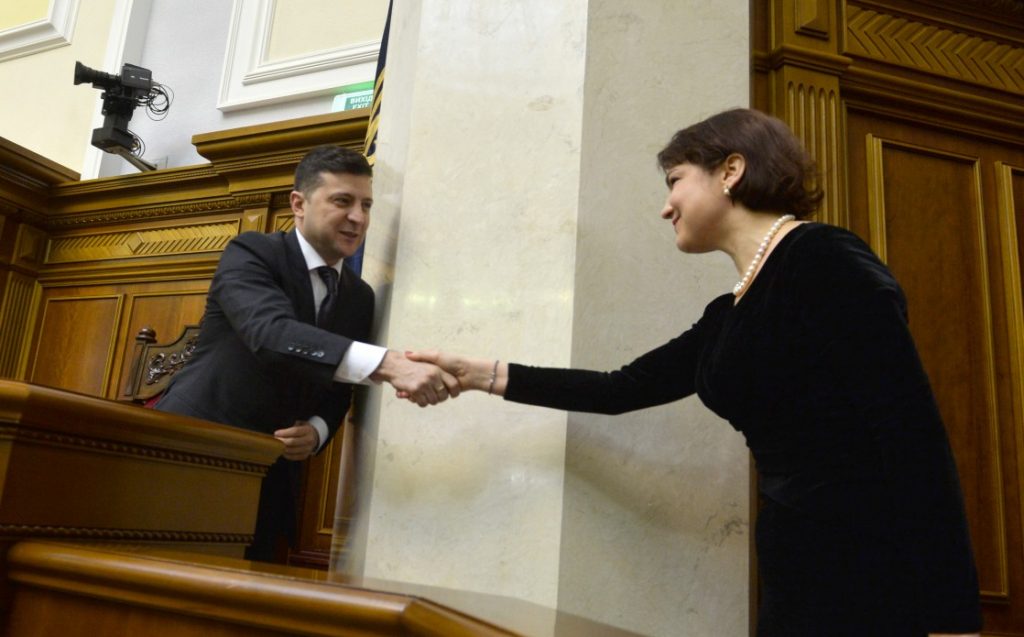
Since MPs lost their formal immunity in 2020, in the same reform that handed the prosecutor general sole power to open cases against them, this has become a kind of modified immunity: one politically appointed person can decline to open a case, and no court can challenge the refusal. This was the case in 2020, when then Prosecutor General Iryna Venediktova rejected a draft suspicion against an MP handed to her by NABU, reversing only under public pressure.
So valuable is the office that in 2016 parliament stripped out the need for a law degree altogether, to fit the president's man, Poroshenko ally Yuriy Lutsenko; the press called it "the personal law of Lutsenko."
His appointment came as the old guard crushed a reform born on the wings of Euromaidan: a team of reformist prosecutors who had just exposed the "diamond prosecutors," senior officials caught with bags of cash and gems linked to the sitting prosecutor general, was purged, and the case died.

A demand the EU has made since 2014
Depoliticizing this chair has been an EU condition for Ukraine's membership path since 2014, and a live one since negotiations on the Fundamentals cluster, the first stage of accession talks and the one covering rule of law, opened in June.
This is why the day that Kravchenko fled, the EU issued a reminder that Ukraine promised to reform the Prosecutor General's Office and introduce a contest for the chair.
"The prosecutor general is the gateway to the criminal justice system for everyone in power," Korzhenkova explained.
Today, that gateway is held by the political majority: appointed by Zelenskyy, dismissable by his Servant of the People party, which controls parliament. Any case against that majority has to pass a filter the majority appoints.

The EU's interest in prying the office loose is twofold, she said.
- Brussels sends Ukraine money and must be sure that money stolen gets prosecuted;
- and it has watched the reform reverse in Poland and Bulgaria, which is why it now wants the guarantees written in before the fact.
The internal price is steeper still: war raises the cost of a dependent prosecution, with defense procurement, mobilization, and aid flows all resting on it.
Europe's own standard, set out by the Council of Europe in its 2014 charter on prosecutors, prescribes no single model. Governments may have a hand in choosing the prosecutor general, so long as the method earns public confidence and the term is stable enough to make the office "independent of political changes."
On dismissal it is blunter: protection from "arbitrary or politically motivated dismissal" is "particularly relevant" for prosecutors general, and the law "should clearly define the conditions of their pre-term dismissal."
Ukraine fails at both ends, and, as Korzhenkova puts it, no version that leaves the president's discretion untouched can meet that standard.
The international expert lifehack
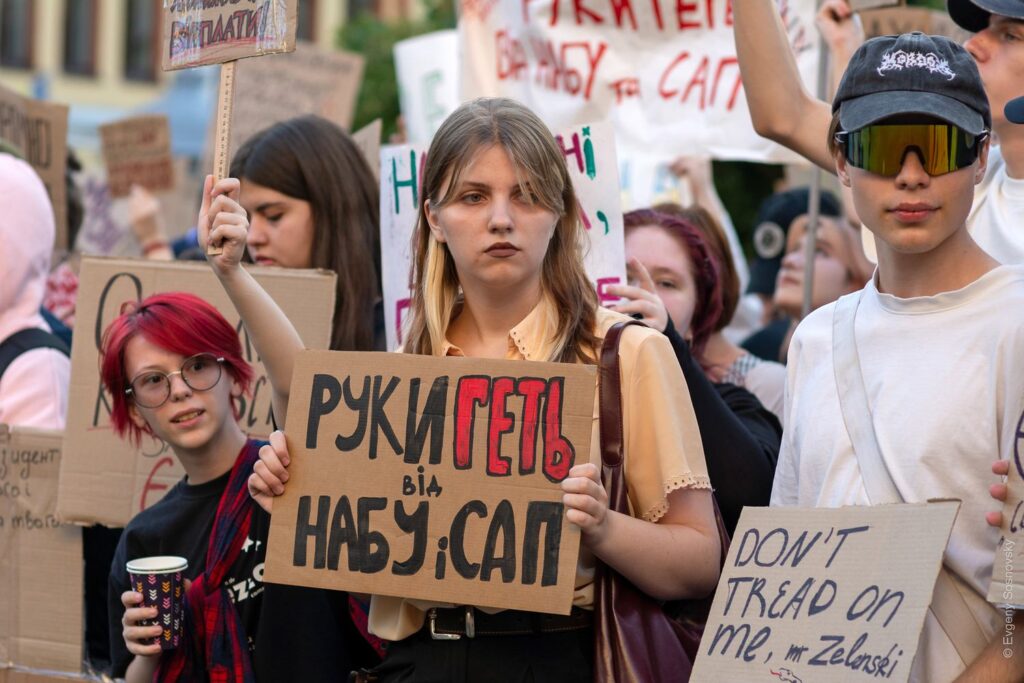
But how do you clean an office when cronyism runs through the class that appoints it? Ukraine has a partial answer, from the part of its post-Euromaidan reforms that worked.
The directors of the National Anti-Corruption Bureau (NABU), Special Anti-Corruption Prosecutor's Office (SAPO), and the National Agency on Corruption Prevention are chosen through open competitions in which a panel of independent experts, foreign ones among them with a decisive vote, can veto compromised candidates.
The Ukrainian half of a commission can be captured. The foreigners with a decisive vote are the part no Ukrainian official can phone up and instruct.
The success of those agencies, now breaking up the very rings of cronyism they were built to reach, is why the Venice Commission and Ukraine's Western partners have consistently defended the model.
In a 2021 joint statement, the EU, US, and partner embassies called the international experts' role "temporary but crucial," aimed at resisting "the influence of vested interests." When Zelenskyy's team moved to strip NABU and SAPO of their independence in July 2025, the G7 ambassadors publicly welcomed the reversal that restored it.
Those independently selected agencies produced Operation Midas, the case that reached Mindich and forced out Yermak, and, weeks later, Operation Forrest Gump.
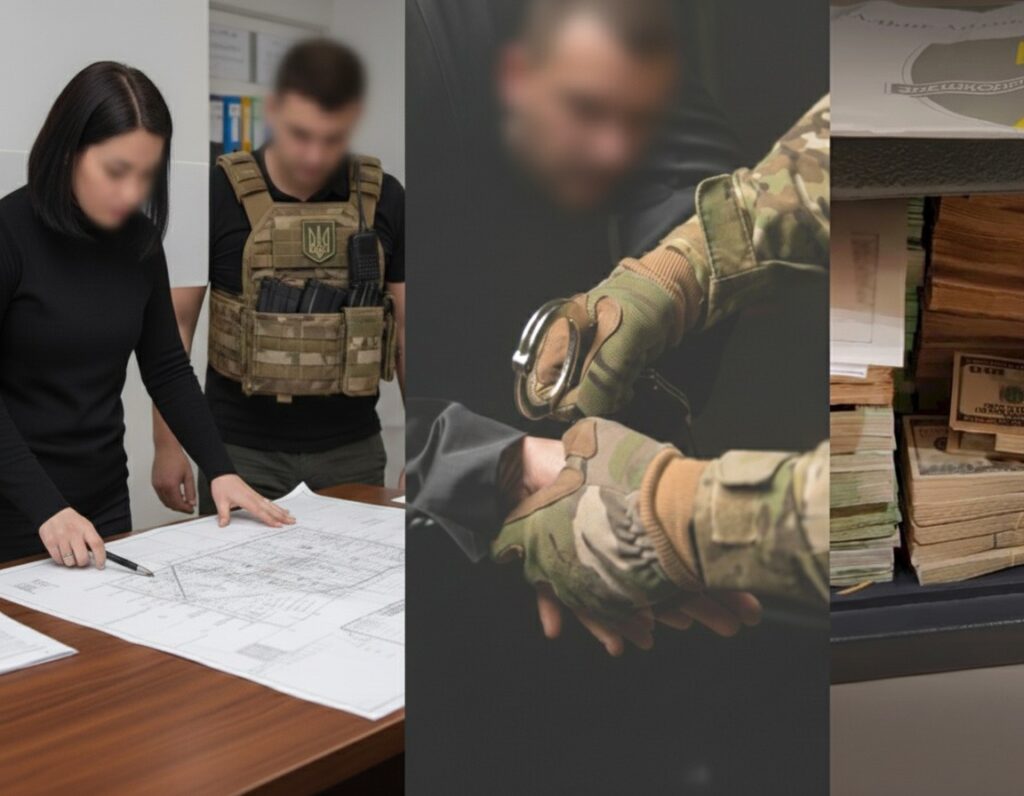
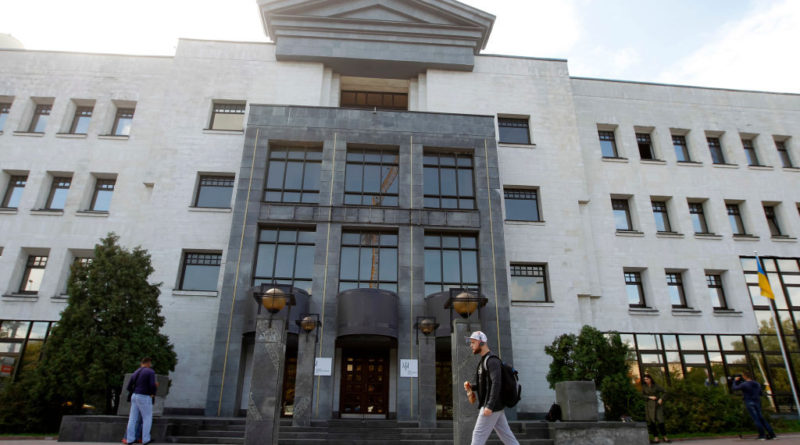
The High Anti-Corruption Court (HACC), created in 2018 through the same kind of expert council, reaches officials the courts never could: it convicted the highest-ranking judge in the country, Vsevolod Kniaziev, over part of a $2.7 million bribe. Before it existed, all of Ukraine's general courts together had delivered roughly 40 verdicts in NABU and SAPO cases; in seven years the specialized court has delivered 431, against 601 people, and for the first time a sitting MP drew a real prison term.
The foreign vote is not a hypothetical safeguard. At an August hearing for Olha Stefanishyna, the former deputy prime minister for European integration, a SAPO prosecutor read out messages in which, they say, she steered the very commissions that select Ukraine's watchdog agencies. To the head of the 2022 panel choosing the NABU director: "Do what you want, I need numbers 60 and 62 from the list. Postpone the sessions, I shouldn't have to think for you." Her influence reached three commissions at once.

She calls the case a storm in a teacup, and the charges are unproven. But it is the reformers' own argument: the Ukrainian half of a commission can be captured. The foreigners with a decisive vote are the part no Ukrainian official can phone up and instruct.
The model is no panacea, Korzhenkova warns:
"The international experts are not the motor of reform. They are a circuit breaker. They can keep out the worse candidate. They cannot make those in power want to do better."
The anti-corruption court convicts, but whether the guilty serve time is another matter. Of its 398 convictions in seven years, more than half were settled by plea bargain, others ended in fines or suspended sentences, and a stack of cases had simply run out the clock before any verdict. As of the last public tally, in spring 2026, only about 80 of the convicted had actually drawn real jail time.
For years, the court sat short of judges, which Ekonomichna Pravda read as quietly convenient for those in power: an understaffed court slows cases and lets them lapse without the visible fight of dismantling it. Most of the vacancies were only filled in August 2026, when the EU tied the appointments to money Ukraine needed.
What the bill would do, and the perennial objection

Full depoliticization would mean amending the constitution, which martial law rules out, and the EU mandates no specific route. So the reformers' instrument is an ordinary law, bill 15343.
It adds a filter to the current system: the president would pick not freely, as now, but from candidates pre-selected by an open competition run by a six-member commission, three of them vetted by Ukraine's international partners. Four votes choose a candidate, two of them the internationals'.
And it moves the power to discipline and dismiss a sitting prosecutor general to the High Council of Justice, the body that governs Ukraine's judges, itself reformed in 2021 through the same international-expert vetting, and the one disciplinary body not under the prosecutor general's own control.
If the mechanism works, and Ukraine has used it for its anti-corruption prosecution, bureau, and court, the obvious question is why the prosecutor general was left out.
The answer is not constitutional, though a constitutional objection has been raised. A legal analysis on the site Sud.ua argued the model has no analog in most of the EU and breaks the constitution: the president is reduced to a technical executor of the commission's choice, and the judges' council is handed power over the head of the prosecution, which is not the judiciary. Foreign experts with a veto over a constitutional office, one commentator wrote, are a gift to any populist and to Moscow.
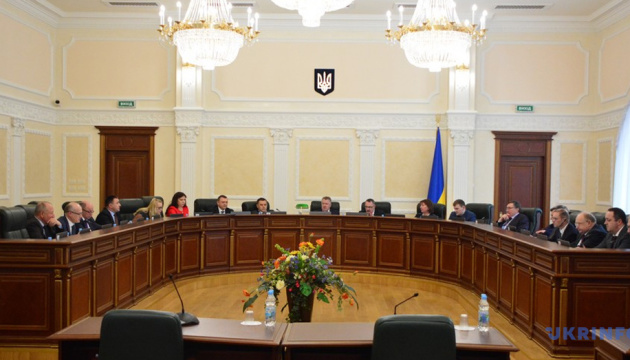
But this is the argument Ukraine's powerful always reach for when the anti-corruption bodies get close.
In 2020, when NABU accused the judge Pavlo Vovk of running a scheme to seize control of the courts, the same sovereignty-and-separation-of-powers reasoning was deployed to shield him, and EP reported at the time that the prosecutor general's own office was accused of moving to disrupt the case against him. The office meant to prosecute the powerful was protecting them instead, which is the whole reason reformers want it taken out of political hands.
There is no legal reason the reform cannot be done, Korzhenkova says. The same constitutional objections applied to the Constitutional Court and the High Council of Justice, both reformed through international vetting; the filter was added anyway.
"The constitutional argument suddenly appeared only for the prosecutor general," she said.
The real reason for the stall is political: the prosecutor general is the last great lever that decides who gets prosecuted, and the majority that would have to give up control of it is the same majority those prosecutions would reach.
The Rada's own tempo shows it. To save the system from a scandal, it found 317 votes to dismiss Kravchenko in a single day and installed an acting prosecutor general by decree. To limit the system, it has left the bill untouched for three months; in early September the relevant committee declined even to put it on the agenda, and moved only after individual MPs pushed.
At least 50 members of the current parliament, Chesno documents, are themselves under criminal suspicion.
What happens now
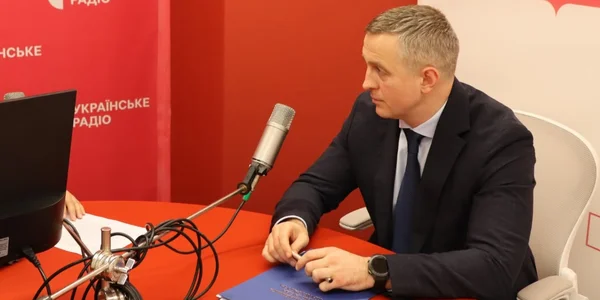
The interim answer is Anton Kovalskyi, the Khmelnytskyi Oblast chief prosecutor, appointed acting prosecutor general by decree on 17 September, chosen the old way: hand-picked, from at least four candidates, with no public account of why him.
The Anti-Corruption Action Center laid out the rest in a dossier: property registered to relatives, a wife from Russia whose year-old sole proprietorship reported earnings of over UAH 500,000 ($11k) a month, a deputy whose father-in-law fled to Russia and was convicted in absentia of collaboration.
Asked whether the reform bill would have produced a different result, Korzhenkova declined to guess, and said the guessing is the problem. "I don't know, and neither does anyone else, and that is exactly it."
Under an open competition, his selection would have been vetted by international experts; everyone could have submitted data on the candidates.
The bill would not have guaranteed a good prosecutor general, but it would at least have made the appointed one checkable. This is what the Rada majority is, for now, declining to allow.
The case that finally reached Kravchenko had a name. NABU and SAPO called it Carthage: a scheme, run out of the Prosecutor General's Office itself, to shield a network of fraudulent call centers, with five officials handed suspicions.
Carthage put investigators inside his building, and Carthage he was answering when, on his way out, he turned the office's power to prosecute the man using it against him and signed a suspicion against Semen Kryvonos, the NABU director.
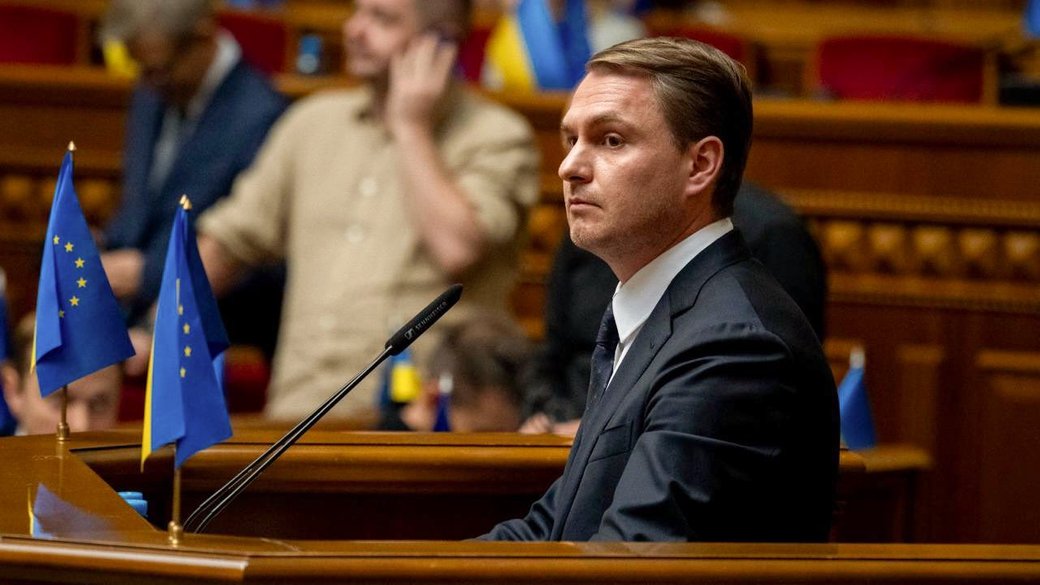
Ukraine’s prosecutor general resigns as the watchdogs he was appointed to leash close in
Kryvonos says it never reached him; the office itself later conceded that the suspicion was legally void.
Kravchenko's last act as prosecutor general was a business trip he wrote for himself, five days in Paris for a hearing of the PACE parliamentary network, and he left by car on 13 September. He was due back on the 18th. He did not return, and his former office says it does not know whether he has asked for asylum in the EU.
Ukraine has spent a decade building institutions that reach the powerful. The prosecutor general's office is the one it never got to. The man who ran it signed his own exit papers and was across the border by half past two in the morning.
