For most of the war, a circle of generals decided which companies got paid to arm Ukraine. They named the suppliers, they named the models, and the money followed the list.Then the defense minister Mykhailo Fedorov took that power away and made the companies compete on price and on how their weapons performed at the front. Three weeks ago, the minister was fired. Now, the people who did well under the old list are pushing to get it back.What makes this more than a lobbying
For most of the war, a circle of generals decided which companies got paid to arm Ukraine. They named the suppliers, they named the models, and the money followed the list.
Then the defense minister Mykhailo Fedorov took that power away and made the companies compete on price and on how their weapons performed at the front. Three weeks ago, the minister was fired. Now, the people who did well under the old list are pushing to get it back.
What makes this more than a lobbying fight is that its two loudest voices agree on almost nothing else: Fedorov, who says he believes the overhaul cost him his job, and an anti-corruption watchdog who owes him no favors. Both say the reform may not outlast him.
What rides on it is real money, and Ukraine has little to spare. It now pours almost all its own revenue into defense, while the West covers nearly the entire civilian budget, roughly $50 billion in 2026. Every dollar lost to a rigged contract is one that never reaches a front already too short of soldiers to absorb the waste.
Explore further
Ukraine’s defense minister explained how the country buys weapons—after he was sacked
They describe it from opposite corners. Fedorov told Ukrainska Pravda on 30 July he believes his removal was tied to the procurement overhaul—the restructuring, he said, “sparked significant dissatisfaction” among powerful people who then leaned on President Volodymyr Zelenskyy.
Fedorov is not a neutral witness: he has said he would take the job back tomorrow. He does not have to be neutral to be right about what he built.
Ukraine is about to discover that it built less of an institution than it thought.
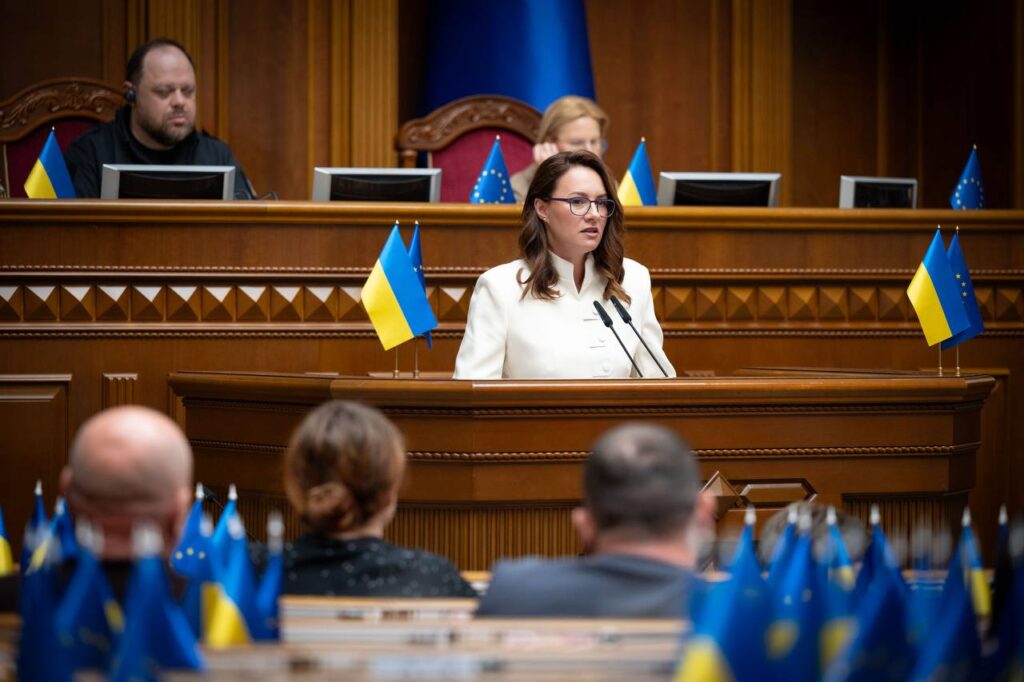
Tetiana Nikolaienko, deputy head of the public anti-corruption council that monitors Defense Ministry spending. Photo: Tetiana Nikolaienko / Facebook
Four days later, Tetiana Nikolaienko told Radio NV what the fight looks like from inside. Anonymous Telegram channels attacking one drone maker, then the next. Investigators searching companies’ offices. A loud public argument over which drones are overpriced.
These are not separate quarrels, said Nikolaienko, deputy head of the public anti-corruption council that watches Defense Ministry spending—they are the opening moves of a scramble to grab a bigger share of the weapons money, now that the man who set the rules is gone.
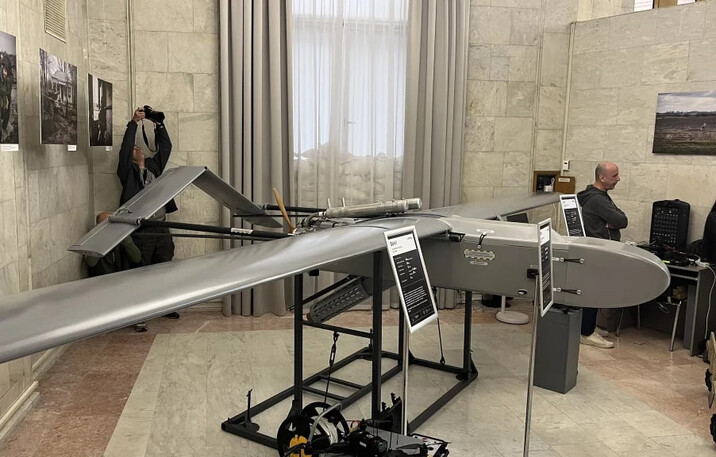
The FP-2 drone, produced by Ukrainian company Fire Point, can carry a 100-kg bomb. Photo: weuaplus.tv
What the reform actually changed
What they are describing is the unwinding of one specific change. Fedorov took the power to pick winners away from the General Staff, which had named the exact companies and models the state would buy, and made the ministry buy instead on open competition and combat performance.
That widened the field of who could win a contract. It also cut the guaranteed business of the suppliers who had thrived on the old list—among them Fire Point, whose drones account for roughly 60 percent of Ukrainian long-range strikes inside Russia.
This is not a tale of one honest reformer against thieves. Fedorov’s overhaul was unfinished: only about a fifth of drone purchases were conducted through open competition when he left. And he had staffed the ministry with his own people.
Fedorov was not the spotless auditor the street protests made him out to be. But an unfinished reform can still be worth keeping, and the people fighting it are not fighting to finish it.
Explore further
Ukraine’s Gen Z protested for their anti-corruption agencies last year. Now they’re protesting for one man
What survives, and what leaves with him
What survives comes down to a plain distinction: what Fedorov wrote into Ukraine’s rules, and what was only his practice. The register of approved arms suppliers exists because of a government decree, and a decree does not walk out when a minister does. That part will most likely hold.
The part that made the reform actually bite was never set down that hard. The open competitions, the public figure showing how much buying was contested rather than quietly handed out, the team that enforced both—those were Fedorov’s way of running the ministry, not Ukraine’s law, and they are exactly what Nikolaienko says is now under pressure.
So Ukraine is about to discover that it built less of an institution than it thought. The paperwork stays, but the part that really worked walks out with one man, when Ukraine can least afford the loss.
What Mykhailo Fedorov described the day after his dismissal is not the residue of wartime secrecy. It is the result of conscious decisions taken on specific dates, by named ministers, against the advice of the partners paying for the weapons.Speaking to Ukrainian journalists on 16 July, Fedorov said the largest ammunition tender in the country’s history had closed with five winners. A sixth company had joined late.This firm had publicly campaigned against competitive biddi
What Mykhailo Fedorov described the day after his dismissal is not the residue of wartime secrecy. It is the result of conscious decisions taken on specific dates, by named ministers, against the advice of the partners paying for the weapons.
Speaking to Ukrainian journalists on 16 July, Fedorov said the largest ammunition tender in the country’s history had closed with five winners. A sixth company had joined late.
This firm had publicly campaigned against competitive bidding, had been searched by law enforcement, and had cut its own price by $1,000 per shell the moment it understood the tender would go ahead anyway.
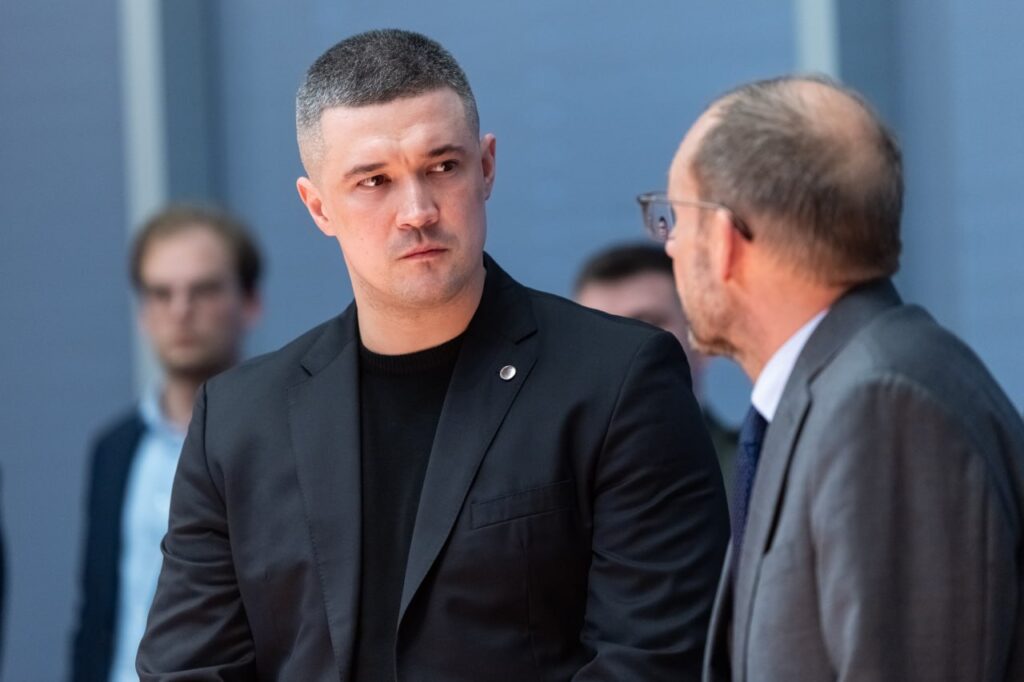
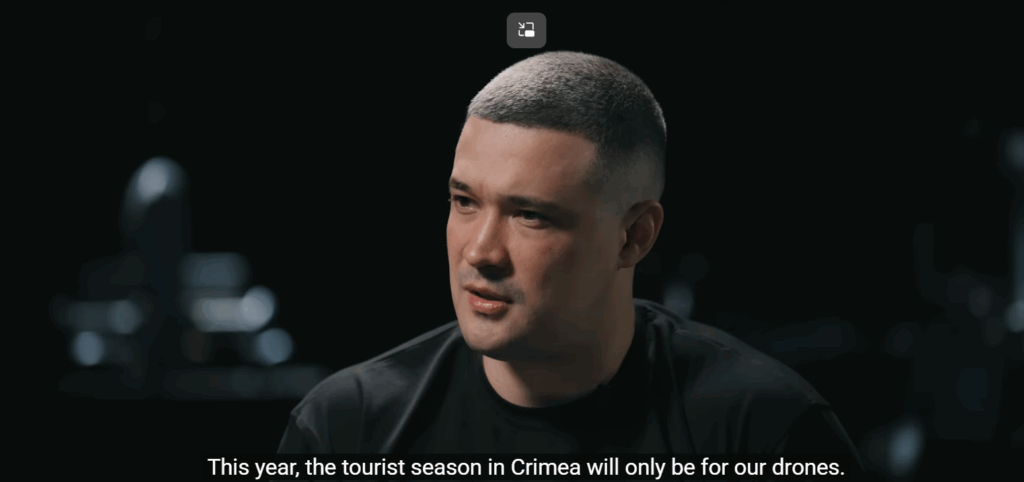
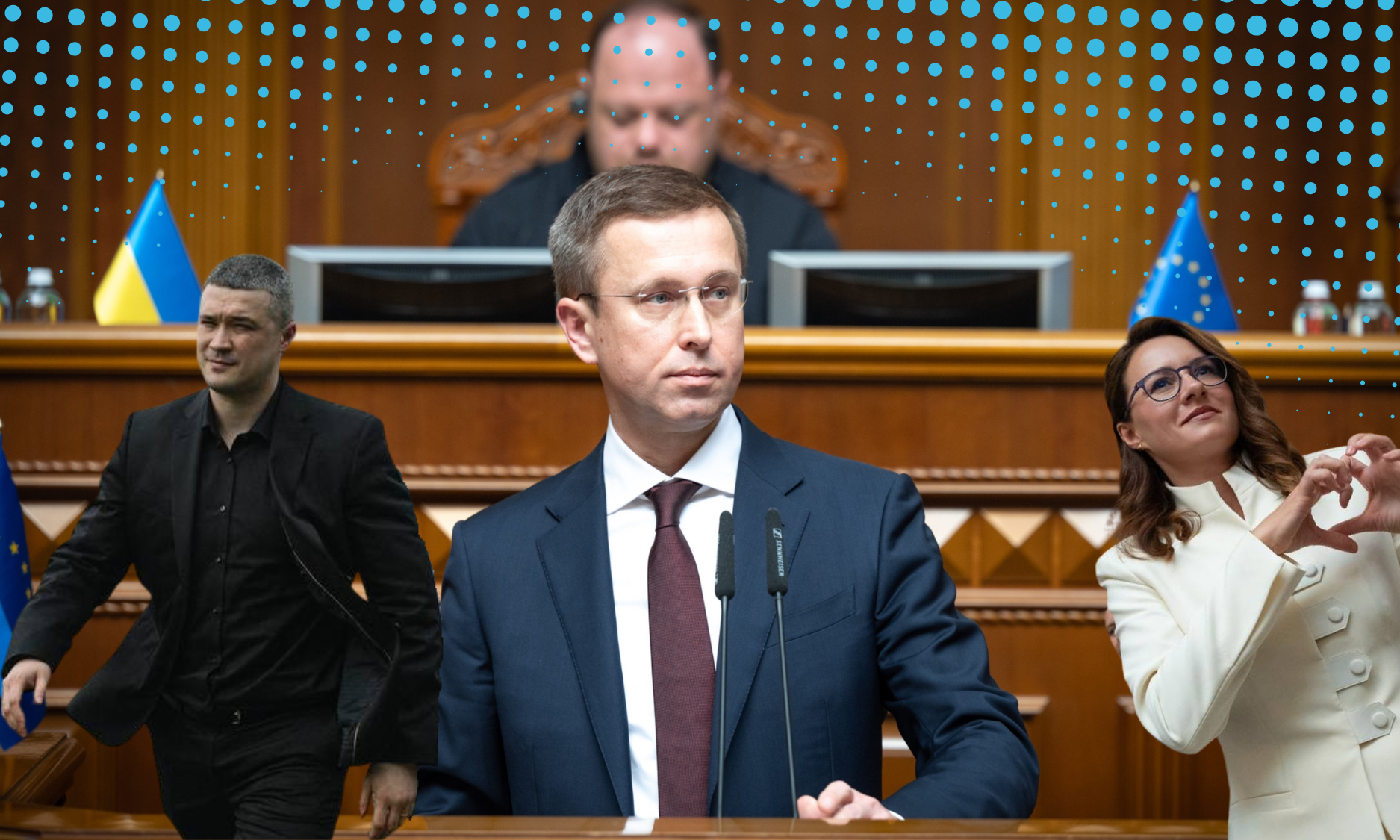
Mykhailo Fedorov at his briefing on 16 July 2026, the day after his dismissal as defense minister. Photo: screenshot from Novyny.LIVE
Fedorov said department heads at his ministry had been appointed by private companies, and would not attend meetings without bringing law-enforcement officers along. He described a contract proposal with a markup of 200–300%, for a company he said belongs to a well-known person who does not live in Ukraine.
Ninety minutes of it. Names withheld, sums exact, mechanisms laid out.
Not one word verifiable by anyone outside the ministry.
The ministry said the savings on the 155mm tender paid for tens of thousands of extra shells. A procurement figure is not accounting. It is whether a gun fires in October.
Ukraine will spend about $51 billion on weapons and equipment this year, much of it borrowed from the European Union. More than 90% of that spending is classified—NATO’s own figure, against an alliance norm of 5%.
How the money becomes rounds is decided inside a system that publishes percentages and withholds everything else.
That is the story, not whether Fedorov was fired to protect someone’s schemes, which cannot be established and which this article will not pretend to establish.
The story is why a country that spent four years building an oversight system for its arms spending has now reached a point where the only account of how that money moves comes from a fired ex-minister, and cannot be checked.
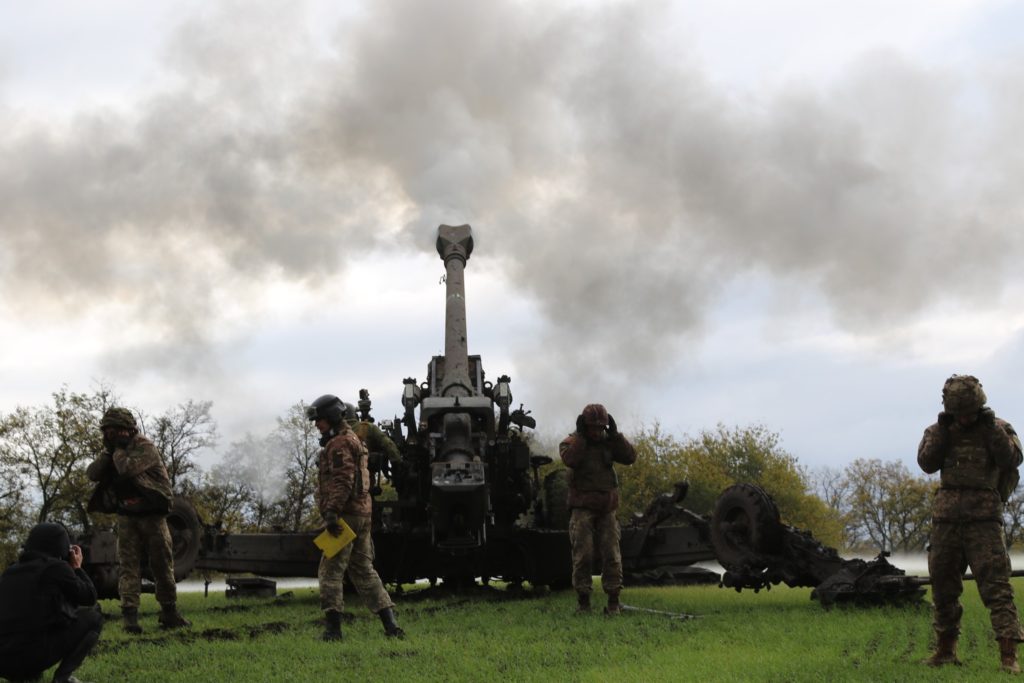
An FH-70 howitzer, which uses 155mm rounds, at the frontline in Ukraine. Photo: General Staff
What the state published
In May, Ukraine’s Defense Procurement Agency signed the largest artillery contract in its history: six manufacturers, 155mm shells, a competitive procedure against a starting price, savings above 16%—enough, the ministry said, for tens of thousands more shells than planned.
Six manufacturers, unnamed. A percentage with no unit price on either side of it. No count of who bid and lost. That is the complete public record.
Explore further
Competition across six manufacturers saves Ukraine 16% on its largest-ever 155mm shell contract
There is a reason, though. A supplier named in a public document is one with a Ukrainian address Russia can find, so the procedure runs closed. Every specialist accepts the logic.
The rule is written down. NATO’s 2024 procurement review set the 90% against a Euro-Atlantic standard of up to 5%, a level it treats as a peacetime target. The six unnamed manufacturers are not an exception to Ukraine’s approach to buying weapons. They are the rule, and the alliance Ukraine wants to join has said so in writing.
Now read that against what Fedorov told reporters on 16 July. The published figure is accurate. It hides the holdout, the searches, and the $1,000 climbdown—everything that made the number mean something. True and useless.
Mykhailo Fedorov during a June interview, a month before his dismissal, in which he described leaks and private-company influence inside the defense ministry. Photo: screenshot from PRESSING / Army—Media of Ukraine's Defense Forces
Importantly, Fedorov had said something similar already before he was fired.
In a June interview, he described officials leaking material from meetings with the procurement agency and telling excluded companies why they had been excluded.
That cannot be dismissed as the grievance of a dismissed man. It also cannot be confirmed.
His own account contains the reform’s limits. By his description, only a fifth of drone purchases run through competitive tender; four-fifths go to manufacturers ranked highest on battlefield performance data.
That may be the right design. But it is not what “moving procurement to open tenders” sounds like.
A tender with one bidder is competitive in name only.
What the monitors can see
StateWatch, a think tank that monitors defense contracts, went through every tender the Defense Procurement Agency published in March—99 of them, worth about 15 billion hryvnias ($340 million). The average number of companies bidding on each was 1.6, which means that most drew a single bidder. Drone purchases attracted more.
A tender with one bidder is competitive in name only.
StateWatch also marks the limit of its own work. It sees only what passes through Prozorro, the open electronic bidding system. Direct contracts never enter it.
Neither does anything classified, which is most of it.
What StateWatch can see is only a fraction of what Ukraine spends. It has recorded one clear improvement: the General Staff now specifies drones by technical characteristics rather than by manufacturer name, a change the think tank had recommended to remove preferences for particular producers.
The Logistics Forces command went public against Fedorov last week, arguing that announced tenders and signed contracts are not the same as equipment reaching units.
Procurement volume is presented as delivered supply, which a spokesperson called pure PR, citing grenade launcher rounds made in 1984 as an example of what arrives.
A serious argument, resting on the same unverifiable ground as the claims it disputes.
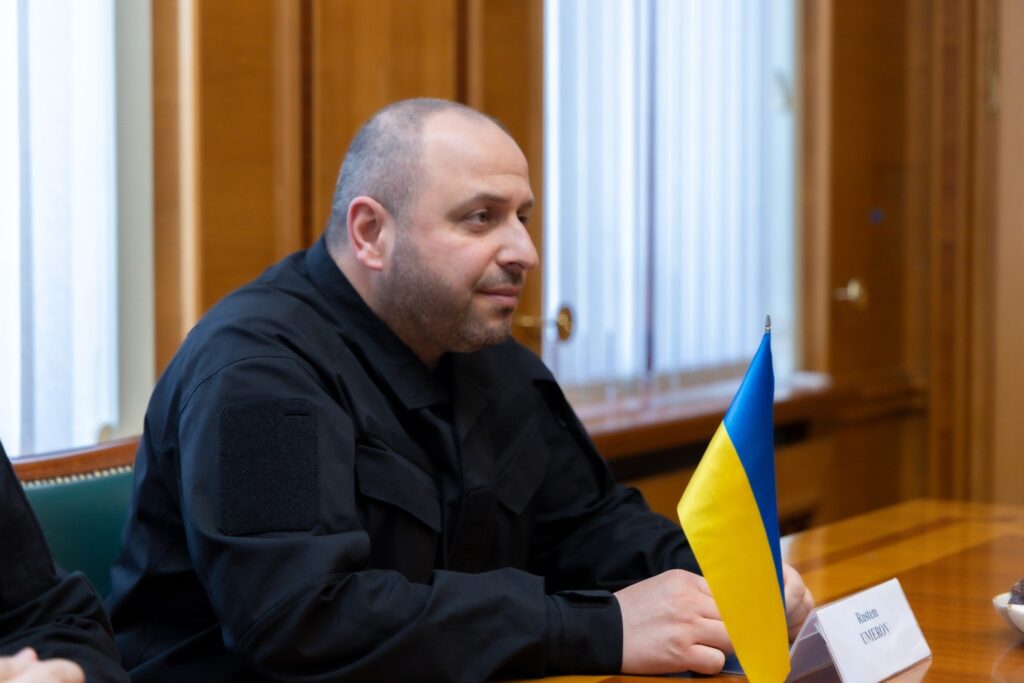
Ukraine’s Secretary of the National Security and Defense Council Rustem Umerov, 10 February 2026. Photo: Rustem Umerov on Facebook
The oversight, unbuilt
It’s not that the oversight system was just thrown overboard. It was first built, then dismantled in stages, each stage documented—and it was built partly at the insistence of the states paying for the weapons.
The Defense Procurement Agency was set up in August 2022. At the Washington summit two years later, NATO and Ukraine approved a joint review of Ukrainian defense procurement—requested by Ukraine’s defense minister—resulting in 21 recommendations.
It told Kyiv to run two agencies throughout the war, one for lethal purchases and one for everything else, and to establish independent supervisory boards immediately to provide the agencies with governance and oversight outside the ministry.
But the agreed structure did not hold.
Over the following year, Defense Minister Rustem Umerov narrowed the board’s powers by decree and removed the agency’s procurement chief, despite the board voting unanimously to keep her. In December 2025, his successor Denys Shmyhal merged the two agencies into one, effective 1 January 2026.
Denys Shmyhal (L) as Defense Minister of Ukraine and Mykhailo Fedorov as First Vice Prime Minister of Ukraine pose together. Photo: Ministry of Defense of Ukraine
NATO’s review had recommended the merger, but for peacetime. Regarding doing it mid-war, NATO said the opposite: no further centralization while the fighting continues—it would disrupt supply and erode public support for the reform.
Fedorov arrived thirteen days later.
So the tenders ran inside an agency consolidated during the period the review said not to consolidate, supervised by boards whose powers had been narrowed a year earlier, under a ministry that had already removed one procurement chief for reasons her own board rejected.
The secrecy protecting suppliers is unavoidable, and no one in Berlin or Washington disputes it.
But the narrowing of oversight is a different matter: the boards were weakened, and the agencies merged by choice, directly against the written advice of the countries paying for the weapons.
Prime Minister Yuliia Svyrydenko addresses the Verkhovna Rada before the vote on her dismissal, 14 July 2026. Photo: Svyrydenko/Telegram
The dismissal
Fedorov was removed on 15 July during a cabinet reshuffle.
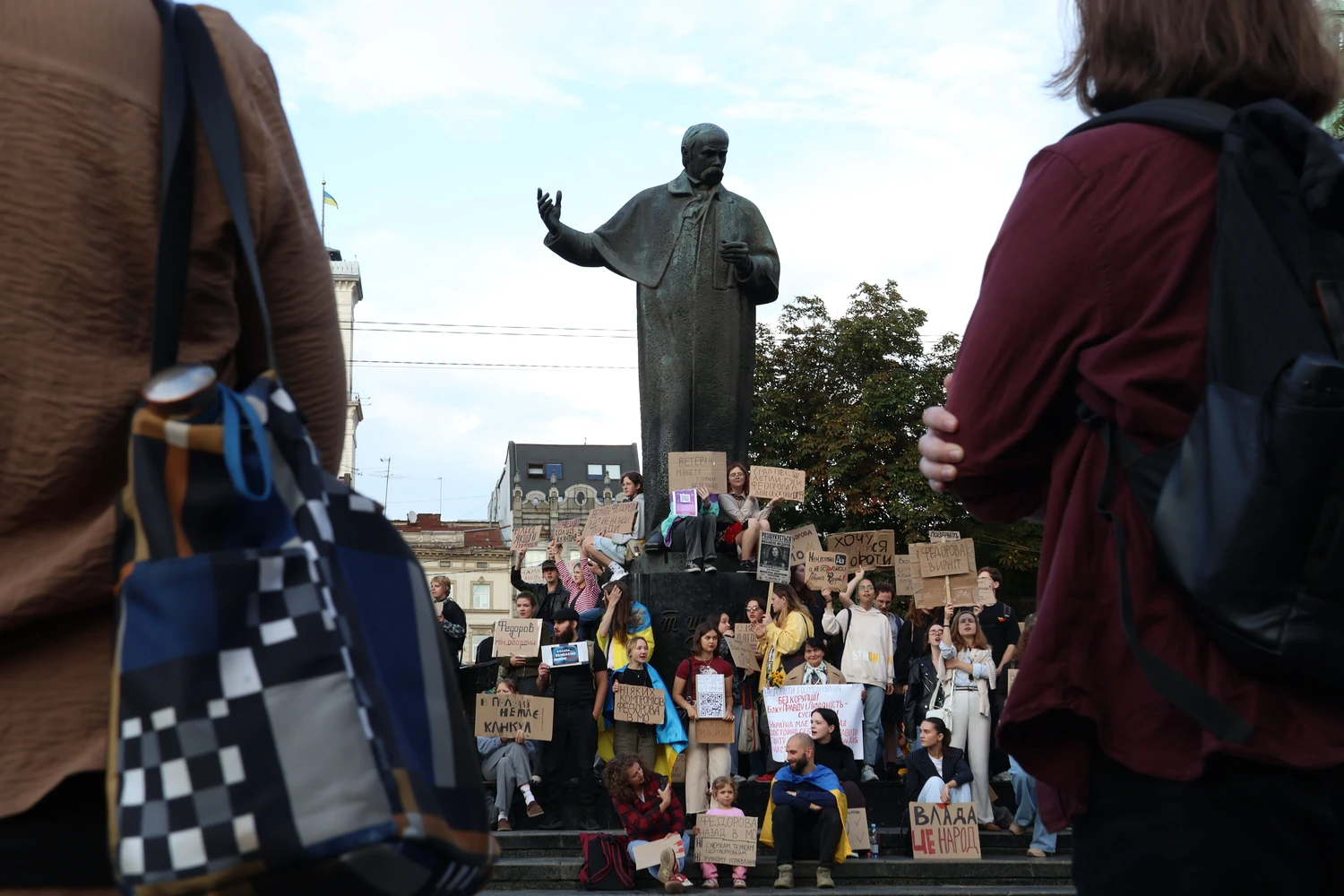
Yulia Svyrydenko lost the premiership the same week, and nobody marched for her. For Fedorov, protests broke out in 17 cities the next day, with signs reading “They removed the auditor, not the thieves.”
Officially, no reason was given. What exists is an account of a closed faction meeting, reconstructed by Ukrainska Pravda from deputies in the room.
The president said he could no longer tolerate a defense ministry and general staff at war with each other, and that Fedorov had not delivered his promised mobilization reform. In a line that has aged strangely, he added that both Fedorov and Syrskyi should by rights go—but that he could not do both at once.
The Financial Times reported a fourth reason, citing people familiar with the situation: that Fedorov had repeatedly blocked attempts to steer lucrative contracts toward favored companies. The presidential office declined to comment. The General Staff denied there was any dispute at all.
Four explanations, arriving by four routes. The analyst best placed to weigh them, Volodymyr Fesenko, told the paper there seemed to have been a trigger “which we still do not fully understand.”
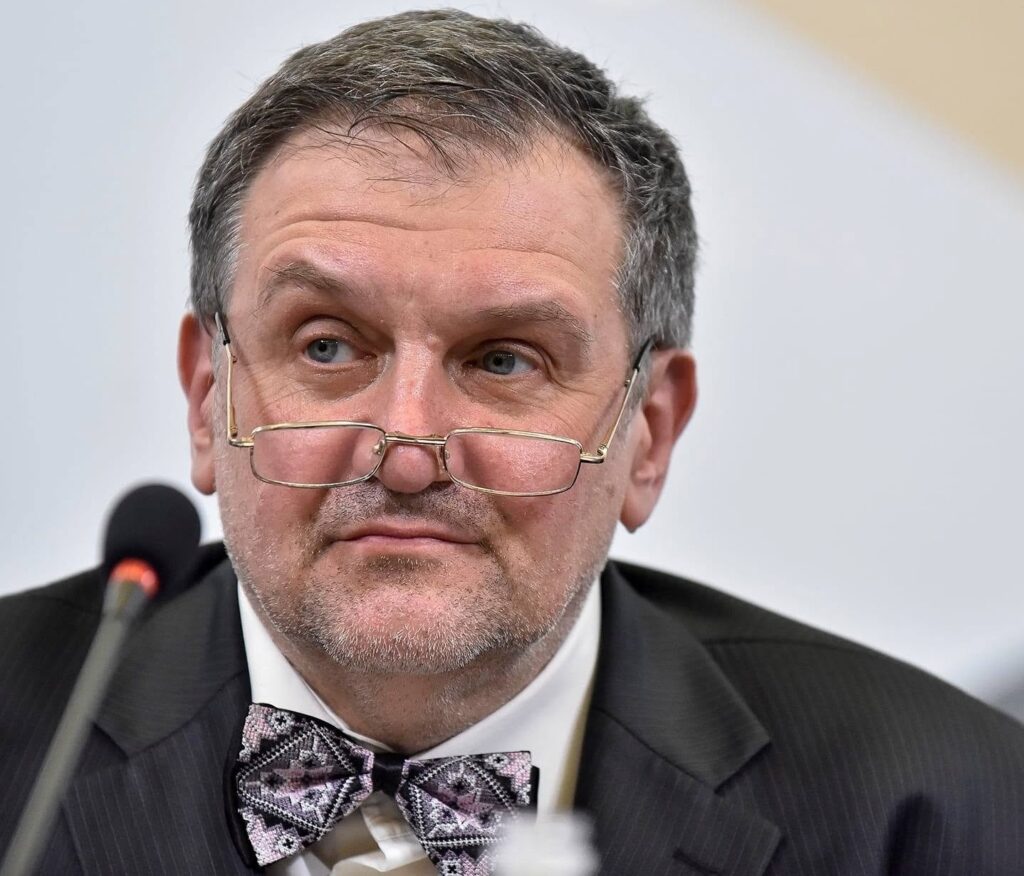
Olexiy Haran, professor of comparative politics at Kyiv-Mohyla Academy and research director at the Ilko Kucheriv Democratic Initiatives Foundation. Photo: Olexiy Haran / Facebook
Euromaidan Press reported a fifth reading: Oleksiy Haran, a professor of comparative politics at Kyiv-Mohyla Academy, argued that Fedorov’s real liability was that he had grown too popular to be a reliable subordinate for Zelenskyy.
Fedorov’s trust rating had just overtaken the president’s own. The Financial Times also noted that people around Zelenskyy suspected the minister of his own political ambitions.
Explore further
“They removed the auditor, not the thieves”: why Ukrainians are protesting Zelenskyy’s reshuffle
Fedorov had asked for two men to be fired: the commander-in-chief and the chief of the General Staff. Instead, he himself was dismissed.
Six days later, amid ongoing protests, Zelenskyy dismissed Oleksandr Syrskyi and named Mykhailo Drapatyi as his replacement. On 22 July, the president signed the decree and appointed Ihor Skybiuk chief of the General Staff in place of Andrii Hnatov.
Five days before his own appointment, on the day after Fedorov’s dismissal, Drapatyi had written that the army needed rules under which making the right decision would not depend on an individual commander’s courage or on the backing of particular officials, and that the transformation had to continue regardless of which ministers or teams came and went.
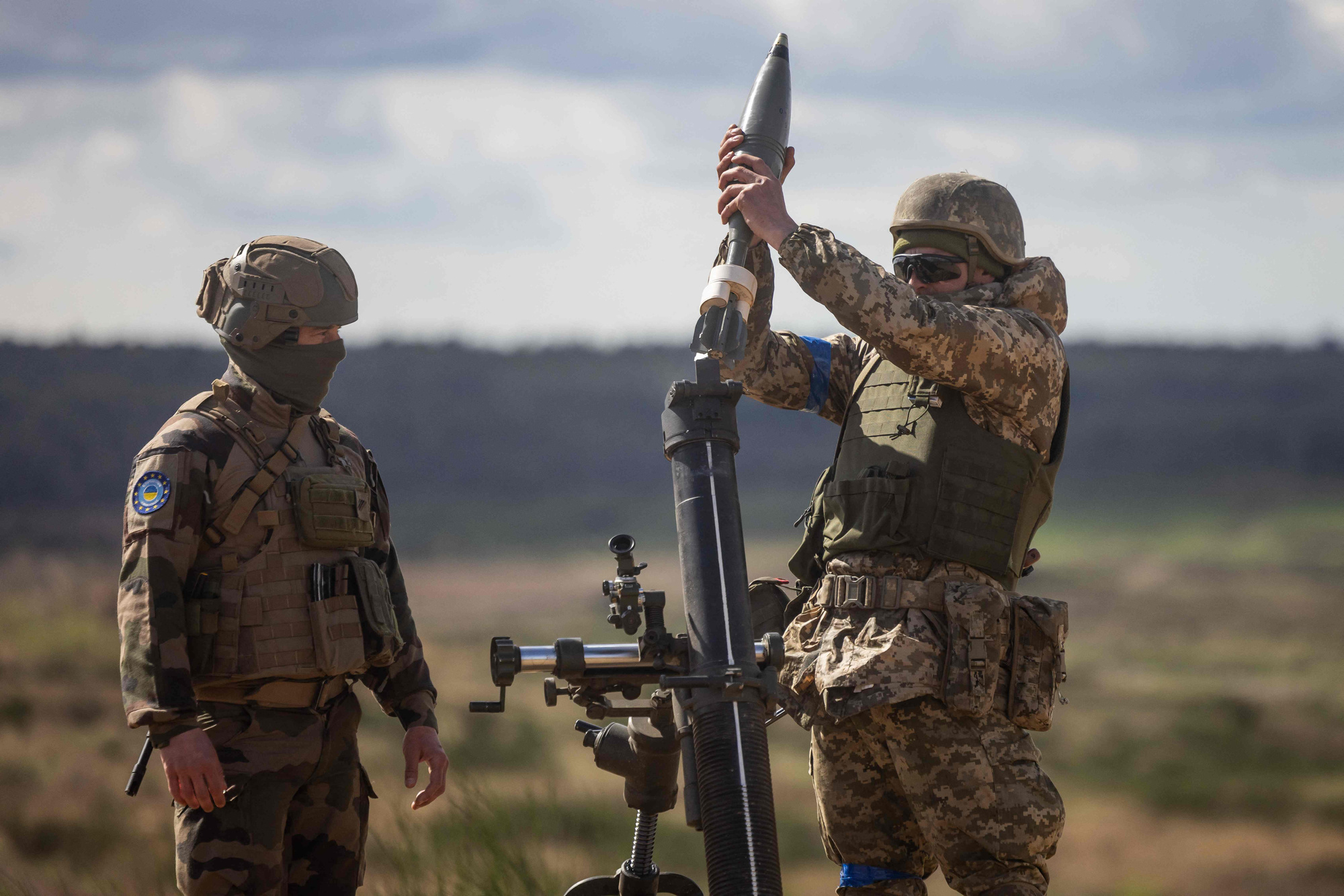
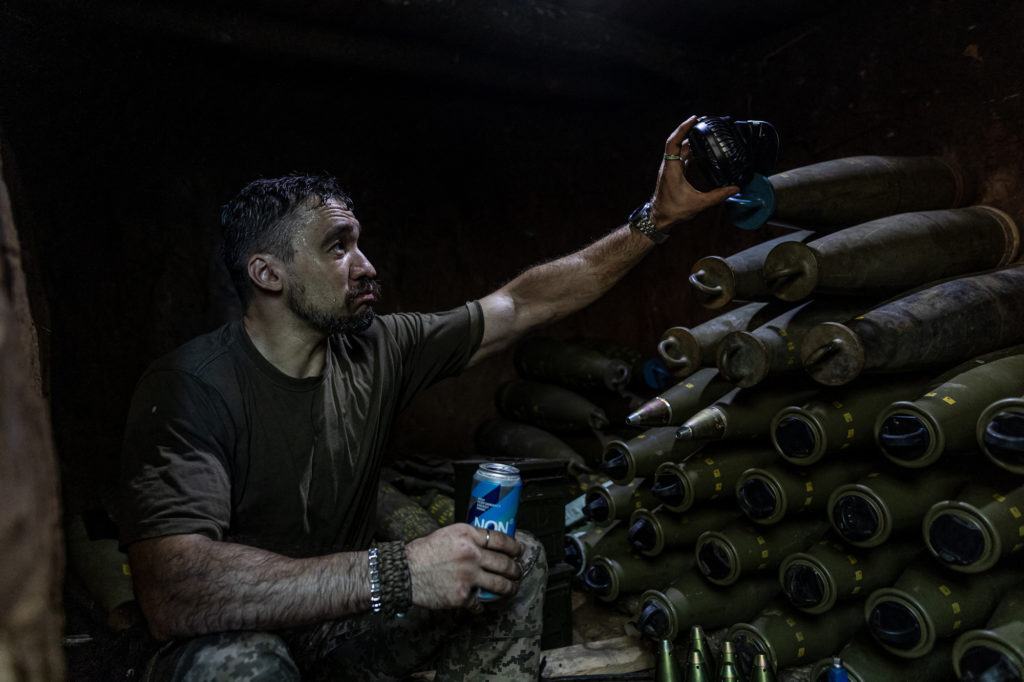
A Ukrainian soldier prepares 155mm artillery shells in his fighting position. Illustrative image, photo via Eastnews.ua.
What is not public
The personnel decisions are public. The procurement record, largely, is not. What stays sealed inside the 155mm tender and the cases around it:
The five winners of the 155mm procedure, and the sixth company that joined late
the initial and final unit price
the losing bidders, in any category
the companies said to have been represented by ministry officials
the company said to carry a 200–300% margin, and the person said to own it
the Bureau of Economic Security letter, or any case number attached to it
the results of the internal investigations and the polygraphs
which direct contracts were canceled, and which companies lost them.
Why he was fired cannot be known. Whether his reform survives him can—it will show in what the ministry does next, in public.
The second 155mm tender closed for offers on 7 July, eight days before Fedorov’s dismissal. Whether it was completed, how many bidders it drew, whether contracts were awarded—the ministry either publishes that or does not.
The drone tender is at the same stage. The share of procurement that is competitive rather than direct is a number the ministry chose to publish under Fedorov; whether it keeps publishing is a decision, and a visible one.
An acting minister runs the ministry now. Yevhenii Khmara, a career security service officer, took over on 20 July but has not been confirmed by parliament.
The merged agency’s supervisory board still exists, and what it is permitted to see is the closest thing the system has left to an independent instrument.
Fedorov said he did not know what to say. He said he was sorry.
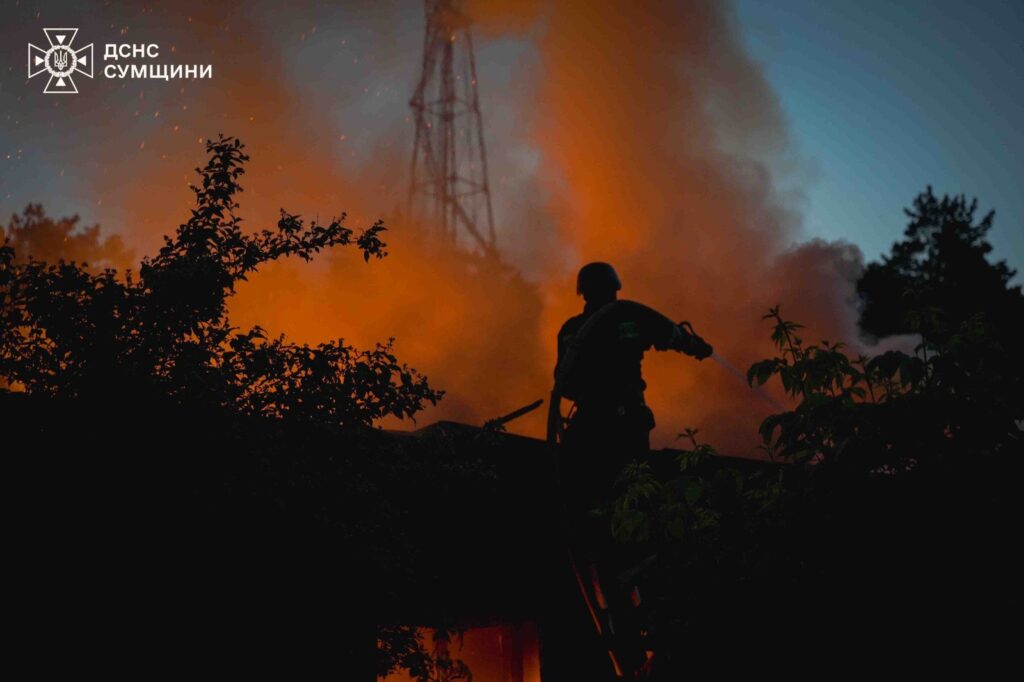
Emergency workers responding to a Russian strike on Romny in Ukraine's Sumy Oblast overnight on 3 July 2026. Photo: Ukraine's State Emergency Service
Sumy Oblast, the week before
The week before he was dismissed, Fedorov went to Sumy Oblast. He had been getting messages, he said, that the region had been abandoned.
What he found he called typical: several units responsible for the area on paper, and nobody responsible for the sky over the city.
At a building struck by a guided bomb, Fedorov, still the minister then,met a man who had buried his wife and daughter the day before. The man, a soldier, had been heading back to the front when it happened. He was on the phone with his family and saw the bomb come in. The first one missed. The second hit the building.
Fedorov said he did not know what to say. He said he was sorry.
Then the man told him he had seen that Ukraine had signed the Gripen contract, that Gripen shoots down the aircraft that drops those bombs, and asked him to push it through and destroy the people who killed his family.
That contract wassigned on 30 June: 16 Gripen E fighters, about $2.5 billion, paid for with a European Union loan. The aircraft are scheduled to arrive in 2029 and 2030.

 Connexion