Vue normale

  • ✇The Ezra Klein Show
  • ‘This Is Something That Traditional Economics Isn’t Prepared to Deal With’
    This is the strangest economy I’ve seen in my lifetime. If you just looked at the macro data — the jobs numbers, G.D.P., the stock market — things look pretty normal. But they clearly aren’t normal. The Trump administration spent the year upending the global trade system while tech companies spent hundreds of billions of dollars on A.I., a technology that could potentially displace many of our jobs. And people don’t feel normal, either. Survey data shows that the vibecession rages on.Tracy Allow
     

‘This Is Something That Traditional Economics Isn’t Prepared to Deal With’

This is the strangest economy I’ve seen in my lifetime. If you just looked at the macro data — the jobs numbers, G.D.P., the stock market — things look pretty normal. But they clearly aren’t normal. The Trump administration spent the year upending the global trade system while tech companies spent hundreds of billions of dollars on A.I., a technology that could potentially displace many of our jobs. And people don’t feel normal, either. Survey data shows that the vibecession rages on.

Tracy Alloway and Joe Weisenthal are the co-hosts of the excellent economics podcast “Odd Lots” and have closely followed all the chaos this year. So I wanted to have them on the show to explain what the hell is going on.

Mentioned:

Charts

Odd Lots

The Three-Body Problem by Cixin Liu

The Vibecession: The Self-Fulfilling Prophecy” by Kyla Scanlon

Everyone is Gambling and No One is Happy” by Kyla Scanlon

Book Recommendations:

Breakneck by Dan Wang

North Woods by Daniel Mason

A Marriage at Sea by Sophie Elmhirst

The Digital Reversal by Andrey Mir

Orality and Literacy by Walter J. Ong

No Sense of Place by Joshua Meyrowitz

Thoughts? Guest suggestions? Email us at ezrakleinshow@nytimes.com.

You can find transcripts (posted midday) and more episodes of “The Ezra Klein Show” at nytimes.com/ezra-klein-podcast, and you can find Ezra on Twitter @ezraklein. Book recommendations from all our guests are listed at https://www.nytimes.com/article/ezra-klein-show-book-recs.

This episode of “The Ezra Klein Show” was produced by Rollin Hu. Fact-checking by Annika Robbins, with Kate Sinclair and Mary Marge Locker. Our senior engineer is Jeff Geld, with additional mixing by Isaac Jones. Our executive producer is Claire Gordon. The show’s production team also includes Marie Cascione, Annie Galvin, Michelle Harris, Kristin Lin, Emma Kehlbeck, Jack McCordick, Marina King and Jan Kobal. Original music by Pat McCusker. Audience strategy by Kristina Samulewski and Shannon Busta. The director of New York Times Opinion Audio is Annie-Rose Strasser. And special thanks to Kimberly Clausing, Natasha Sarin and Kyla Scanlon.

Subscribe today at nytimes.com/podcasts or on Apple Podcasts and Spotify. You can also subscribe via your favorite podcast app here https://www.nytimes.com/activate-access/audio?source=podcatcher. For more podcasts and narrated articles, download The New York Times app at nytimes.com/app.


Hosted by Simplecast, an AdsWizz company. See pcm.adswizz.com for information about our collection and use of personal data for advertising.
💾

  • ✇La balado de Fred Savard
  • S08-EP14- Braver l'interdit, une histoire féministe de l’avortement au Québec
    Pour le dernier épisode de 2025, la balado reçoit l’autriste Marie-Laurence Raby et la militante Martine Eloy pour l’essai Braver l’interdit: Histoire féministe de l’avortement au Québec 1969-1988, un essai important qui documente le travail de l’ombre de militantes qui ont porté les luttes pour l’avortement libre et gratuit pendant deux décennies. Et en fin d'épisode, Fred revient sur l'actualité des derniers jours et célèbre le départ d'un chroniqueur nauséabond du journal le Devoir. 
     

S08-EP14- Braver l'interdit, une histoire féministe de l’avortement au Québec

Par :LBFS · LBFS
20 décembre 2025 à 00:00

Pour le dernier épisode de 2025, la balado reçoit l’autriste Marie-Laurence Raby et la militante Martine Eloy pour l’essai Braver l’interdit: Histoire féministe de l’avortement au Québec 1969-1988, un essai important qui documente le travail de l’ombre de militantes qui ont porté les luttes pour l’avortement libre et gratuit pendant deux décennies. 

Et en fin d'épisode, Fred revient sur l'actualité des derniers jours et célèbre le départ d'un chroniqueur nauséabond du journal le Devoir. 

💾

  • ✇The Ezra Klein Show
  • The Opinions: Bernie Sanders and Ruben Gallego
    What will America’s story be after President Trump? My colleague David Leonhardt did a great series on that question this year, talking to a number of leading politicians. I thought two of those episodes, with Senator Bernie Sanders and with Senator Ruben Gallego, would be of particular interest to you.And they’re great to listen to as a pair. Sanders and Gallego have strong views about where the Democratic Party went wrong and how it can win back working-class voters in particular — views that
     

The Opinions: Bernie Sanders and Ruben Gallego

What will America’s story be after President Trump? My colleague David Leonhardt did a great series on that question this year, talking to a number of leading politicians. I thought two of those episodes, with Senator Bernie Sanders and with Senator Ruben Gallego, would be of particular interest to you.

And they’re great to listen to as a pair. Sanders and Gallego have strong views about where the Democratic Party went wrong and how it can win back working-class voters in particular — views that have a lot of overlap but also some interesting shades of difference. So I wanted to share both conversations.

You can learn more about our sister show “The Opinions” here — and subscribe wherever you find your podcasts.

Subscribe today at nytimes.com/podcasts or on Apple Podcasts and Spotify. You can also subscribe via your favorite podcast app here https://www.nytimes.com/activate-access/audio?source=podcatcher. For more podcasts and narrated articles, download The New York Times app at nytimes.com/app.


Hosted by Simplecast, an AdsWizz company. See pcm.adswizz.com for information about our collection and use of personal data for advertising.

💾

  • ✇The Ezra Klein Show
  • The Simplest Way to Save Lives With Your Money
    “This lightbulb went off that almost no one was asking these questions.”In 2006, Elie Hassenfeld and a few of his friends pooled some money they wanted to donate to charity. And they wanted to find charities where their money would go the farthest in improving lives. That information, it turned out, was incredibly hard to find.That was the seed of GiveWell. For almost a decade, GiveWell has dedicated itself to rigorously researching the impact of charities around the world and channeling donatio
     

The Simplest Way to Save Lives With Your Money

“This lightbulb went off that almost no one was asking these questions.”

In 2006, Elie Hassenfeld and a few of his friends pooled some money they wanted to donate to charity. And they wanted to find charities where their money would go the farthest in improving lives. That information, it turned out, was incredibly hard to find.

That was the seed of GiveWell. For almost a decade, GiveWell has dedicated itself to rigorously researching the impact of charities around the world and channeling donations to the ones that are the most effective at saving lives. It might sound simple, but this was a radically new approach in the world of charitable giving, and the work itself isn’t simple at all.

I’ve supported GiveWell through the years. So as the year winds down and other people might be thinking about giving to a charity, I wanted to invite Hassenfeld, GiveWell’s chief executive, on the show to talk through this work. How does it measure impact? Are there limits to what you can measure? As an organization, has it made mistakes? What does it really mean to give well?

If you like what you hear, I hope you’ll also consider donating to GiveWell. Learn more at givewell.org.

Mentioned:

GiveWell

Trust in Radical Truth and Radical Transparency by Ray Dalio

Harlem Children’s Zone

Against Malaria Foundation

Helen Keller Intl

New Incentives

No Lean Season

Clinton Health Access Initiative (CHAI)

PATH

GiveDirectly

ALIMA

Book Recommendations:

Factfulness by Hans Rosling with Ola Rosling and Anna Rosling Rönnlund

Poor Economics by Abhijit V. Banerjee and Esther Duflo

Behind the Beautiful Forevers by Katherine Boo

Thoughts? Guest suggestions? Email us at ezrakleinshow@nytimes.com.

You can find transcripts (posted midday) and more episodes of “The Ezra Klein Show” at nytimes.com/ezra-klein-podcast, and you can find Ezra on Twitter @ezraklein. Book recommendations from all our guests are listed at https://www.nytimes.com/article/ezra-klein-show-book-recs.

This episode of “The Ezra Klein Show” was produced by Jack McCordick. Fact-checking by Michelle Harris, with Kate Sinclair. Our senior engineer is Jeff Geld, with additional mixing by Isaac Jones. Our executive producer is Claire Gordon. The show’s production team also includes Marie Cascione, Annie Galvin, Rollin Hu, Kristin Lin, Emma Kehlbeck, Marina King and Jan Kobal. Original music by Aman Sahota and Pat McCusker. Audience strategy by Kristina Samulewski and Shannon Busta. The director of New York Times Opinion Audio is Annie-Rose Strasser.

Subscribe today at nytimes.com/podcasts or on Apple Podcasts and Spotify. You can also subscribe via your favorite podcast app here https://www.nytimes.com/activate-access/audio?source=podcatcher. For more podcasts and narrated articles, download The New York Times app at nytimes.com/app.


Hosted by Simplecast, an AdsWizz company. See pcm.adswizz.com for information about our collection and use of personal data for advertising.

💾

  • ✇La balado de Fred Savard
  • S08-EP13- Pour une sobriété numérique ET responsable
    Dans cet épisode, Fred déplace ses micros au colloque Le génie du numérique responsable: innover sans compromettre organisé par le bureau du développement durable de l’École de technologie supérieure et le CIRODD. En compagnie de Jessica Trudeau, Nicolas Bernier, Nicolas Merveille et Mohamed Cheriet, on discute de sobriété numérique et responsable et comment la déployer dans une approche la plus éthique possible. 
     

S08-EP13- Pour une sobriété numérique ET responsable

Par :LBFS · LBFS
13 décembre 2025 à 00:00

Dans cet épisode, Fred déplace ses micros au colloque Le génie du numérique responsable: innover sans compromettre organisé par le bureau du développement durable de l’École de technologie supérieure et le CIRODD.

En compagnie de Jessica Trudeau, Nicolas Bernier, Nicolas Merveille et Mohamed Cheriet, on discute de sobriété numérique et responsable et comment la déployer dans une approche la plus éthique possible. 

💾

  • ✇The Ezra Klein Show
  • Best Of: Zadie Smith on Populists, Frauds and Flip Phones
    This is one of my favorite conversations in recent memory — with the writer Zadie Smith. Smith is the author of novels, including “White Teeth,” “On Beauty” and “NW,” as well as many essays and short stories. Her ability to give language to the kinds of quiet battles that live inside of ourselves is part of why she’s been one of my favorite writers for years.“We absolutely need to gather in our identity groups sometimes for our freedoms, for our civil rights. There’s absolutely no doubt about th
     

Best Of: Zadie Smith on Populists, Frauds and Flip Phones

This is one of my favorite conversations in recent memory — with the writer Zadie Smith. 

Smith is the author of novels, including “White Teeth,” “On Beauty” and “NW,” as well as many essays and short stories. Her ability to give language to the kinds of quiet battles that live inside of ourselves is part of why she’s been one of my favorite writers for years.

“We absolutely need to gather in our identity groups sometimes for our freedoms, for our civil rights. There’s absolutely no doubt about that. But for that role to be the thing that is you existentially all the way down — that is something that I personally believe all human beings revolt from at some level,” she told me when we spoke last September, shortly before  Trump’s re-election.

It’s ideas like these that I found interesting to revisit now, in a starkly different political climate. In this conversation, we discuss Smith’s novel, “The Fraud,” which Smith wrote with Trump and populism front of mind; what populism is really channeling; why Smith refuses the “bait” of wokeness; how people have been “modified” by smartphones and social media; and more.

This episode contains strong language.

Mentioned:

Feel Free by Zadie Smith

Fascinated to Presume: In Defense of Fiction” by Zadie Smith

Amusing Ourselves to Death by Neil Postman

Generation Why?” by Zadie Smith

Book Recommendations:

The Director by Daniel Kehlmann

The Rebel’s Clinic by Adam Shatz

The Diaries of Virginia Woolf

Thoughts? Guest suggestions? Email us at ezrakleinshow@nytimes.com.

You can find transcripts (posted midday) and more episodes of “The Ezra Klein Show” at nytimes.com/ezra-klein-podcast. Book recommendations from all our guests are listed at https://www.nytimes.com/article/ezra-klein-show-book-recs.

This episode of “The Ezra Klein Show” was produced by Annie Galvin. Fact-checking by Michelle Harris, with Kate Sinclair. Our senior engineer is Jeff Geld, with additional mixing by Aman Sahota and Efim Shapiro. Our senior editor is Claire Gordon. The show’s production team also includes Rollin Hu, Elias Isquith and Kristin Lin. Original music by Isaac Jones. Audience strategy by Kristina Samulewski and Shannon Busta. The executive producer of New York Times Opinion Audio is Annie-Rose Strasser.

Subscribe today at nytimes.com/podcasts or on Apple Podcasts and Spotify. You can also subscribe via your favorite podcast app here https://www.nytimes.com/activate-access/audio?source=podcatcher. For more podcasts and narrated articles, download The New York Times app at nytimes.com/app.


Hosted by Simplecast, an AdsWizz company. See pcm.adswizz.com for information about our collection and use of personal data for advertising.

💾

  • ✇The Ezra Klein Show
  • The Contradictions of Gavin Newsom
    Gavin Newsom is the 2028 Democratic front-runner. That’s what many of the polls and the Polymarket betting odds say.It’s been widely believed that Newsom wants to run for president someday. But belief that he could be a front-runner was less common. A liberal white guy from a state that much of the country considers badly governed just didn’t seem like the profile the Democratic Party was looking for.But as a Californian who has watched Newsom for a long time, I was surprised by him this year. A
     

The Contradictions of Gavin Newsom

Gavin Newsom is the 2028 Democratic front-runner. That’s what many of the polls and the Polymarket betting odds say.

It’s been widely believed that Newsom wants to run for president someday. But belief that he could be a front-runner was less common. A liberal white guy from a state that much of the country considers badly governed just didn’t seem like the profile the Democratic Party was looking for.

But as a Californian who has watched Newsom for a long time, I was surprised by him this year. After President Trump returned to the White House, Newsom started a podcast, interviewing people like Charlie Kirk, Steve Bannon and Michael Savage, which made a lot of Democrats mad. At the same time, Newsom turned himself into the leader of the resistance — trolling Trump on social media and pushing a ballot initiative to end California’s independent redistricting to counter the partisan redistricting effort in Texas.

Newsom has been willing to try things and take risks. He has shown a feel for this moment — in politics and in the way attention works now.

But it’s still true that he runs a state that the country considers badly governed. California tops the rankings of unaffordable states, at a time when affordability has become a central electoral issue.

In this conversation, I ask Newsom about all of this — what he learned this year from talking to figures on the right, how he thinks the Democratic Party can win back voters it lost, why California is so unaffordable and what he’s doing about it.

Mentioned:

Applebee’s America by Ron Fournier, Douglas B. Sosnik and Matthew J. Dowd

And, This Is Charlie Kirk

And, This Is Gaming Culture & Gen-Z Nihilism With Content Creator Brandon “Atrioc” Ewing

And, This Is Michael Savage

And, This Is Steve Bannon

Newsom Says Trump’s Attacks Are ‘Not Normal’

Barack Obama 2004 Democratic National Convention Keynote Speech

Book Recommendations:

Built to Last by Jim Collins, Jerry I. Porras

Meditations by Marcus Aurelius

1929 by Andrew Ross Sorkin

Thoughts? Guest suggestions? Email us at ezrakleinshow@nytimes.com.

You can find transcripts (posted midday) and more episodes of “The Ezra Klein Show” at nytimes.com/ezra-klein-podcast, and you can find Ezra on Twitter @ezraklein. Book recommendations from all our guests are listed at https://www.nytimes.com/article/ezra-klein-show-book-recs.

This episode of “The Ezra Klein Show” was produced by Rollin Hu. Fact-checking by Michelle Harris. Our senior engineer is Jeff Geld, with additional mixing by Isaac Jones. Our executive producer is Claire Gordon. The show’s production team also includes Marie Cascione, Annie Galvin, Kristin Lin, Emma Kehlbeck, Jack McCordick, Marina King and Jan Kobal. Original music by Pat McCusker and Aman Sahota. Audience strategy by Kristina Samulewski and Shannon Busta. The director of New York Times Opinion Audio is Annie-Rose Strasser.

Subscribe today at nytimes.com/podcasts or on Apple Podcasts and Spotify. You can also subscribe via your favorite podcast app here https://www.nytimes.com/activate-access/audio?source=podcatcher. For more podcasts and narrated articles, download The New York Times app at nytimes.com/app.


Hosted by Simplecast, an AdsWizz company. See pcm.adswizz.com for information about our collection and use of personal data for advertising.

💾

  • ✇La balado de Fred Savard
  • S08-EP12- L'aplaventrisme environnemental de Bernard
    Dans cet épisode, Fred revient sur un beau message d’amour qu'il a reçu d'un député péquiste en colère.  La prof de philo Mélissa Thériault se réjouit (ou pas) de l'annonce de l’enseignement obligatoire des littératures autochtones et discute avec Coralie LaPerrière de l’essai Les féministes n’ont pas d’humour dans lequel Coralie signe 2 textes percutants.  Godefroy Laurendeau s’est tapé (sur Netflix) les séances du comité consultatif sur les changements climatiques présidé par Bernard Drainvill
     

S08-EP12- L'aplaventrisme environnemental de Bernard

Par :LBFS · LBFS
6 décembre 2025 à 00:00

Dans cet épisode, Fred revient sur un beau message d’amour qu'il a reçu d'un député péquiste en colère.  La prof de philo Mélissa Thériault se réjouit (ou pas) de l'annonce de l’enseignement obligatoire des littératures autochtones et discute avec Coralie LaPerrière de l’essai Les féministes n’ont pas d’humour dans lequel Coralie signe 2 textes percutants. 

 
Godefroy Laurendeau s’est tapé (sur Netflix) les séances du comité consultatif sur les changements climatiques présidé par Bernard Drainville et ça l’a mis en beau tabarCaq! 


Et on termine l’épisode avec la rédactrice en chef Valérie Lefevbre-Faucher de la revue Liberté et un succès souvenir du printemps étudiant de 2012 ! 


L'épisode est enregistré à la chic librairie Raffin sur la Plaza St-Hubert. 

💾

  • ✇The Ezra Klein Show
  • What I Learned in 2025
    I answer your questions on the year’s political lessons, the struggles of young men and handling heat on the show.The end-of-year Ask Me Anything episode has become a tradition on the show. So as 2025 comes to a close, I’m joined by Claire Gordon, the show’s executive producer, to answer your questions about an eventful year — how my thinking on the Trump administration has evolved, how well the Democratic Party has played its chips, what I think it means to be a Democrat right now, whether “Abu
     

What I Learned in 2025

I answer your questions on the year’s political lessons, the struggles of young men and handling heat on the show.

The end-of-year Ask Me Anything episode has become a tradition on the show. So as 2025 comes to a close, I’m joined by Claire Gordon, the show’s executive producer, to answer your questions about an eventful year — how my thinking on the Trump administration has evolved, how well the Democratic Party has played its chips, what I think it means to be a Democrat right now, whether “Abundance” is centrist, how politicians might address adriftness of young people, how I’ve handled the criticism the show has received and how many packets of Splenda I consume in a day.

Note: This conversation was recorded on Tuesday, Dec. 2, and does not reflect more recent developments in Congress’s review of the Sept. 2 boat attack.

Mentioned:

Don’t Believe Him” by Ezra Klein

The Supreme Court Is Backing Trump’s Power Grab” by Ezra Klein

What if Trump Just Ignores the Courts?” by Ezra Klein

The Republican Party’s NPC Problem — and Ours” by Ezra Klein

Abundance and the Left" by Ezra Klein

The Emergency Is Here” by Ezra Klein

Stop Acting Like This Is Normal” by Ezra Klein

What Were Democrats Thinking?” by Ezra Klein

The Goon Squad” by Daniel Kolitz

Dragonriders of Pern Series by Anne McCaffrey and Todd J. McCaffrey

Thoughts? Guest suggestions? Email us at ezrakleinshow@nytimes.com.

You can find transcripts (posted midday) and more episodes of “The Ezra Klein Show” at nytimes.com/ezra-klein-podcast, and you can find Ezra on Twitter @ezraklein. Book recommendations from all our guests are listed at https://www.nytimes.com/article/ezra-klein-show-book-recs.

This episode of “The Ezra Klein Show” was produced by Claire Gordon, Kristin Lin and Marie Cascione. Fact-checking by Michelle Harris. Our senior engineer is Jeff Geld, with additional mixing by Isaac Jones. Our executive producer is Claire Gordon. The show’s production team also includes Annie Galvin, Rollin Hu, Emma Kehlbeck, Jack McCordick, Marina King and Jan Kobal. Original music by Carole Sabouraud and Pat McCusker. Audience strategy by Kristina Samulewski and Shannon Busta. The director of New York Times Opinion Audio is Annie-Rose Strasser. Transcript editing by Andrea Gutierrez, Sarah Murphy and Marlaine Glicksman.

Subscribe today at nytimes.com/podcasts or on Apple Podcasts and Spotify. You can also subscribe via your favorite podcast app here https://www.nytimes.com/activate-access/audio?source=podcatcher. For more podcasts and narrated articles, download The New York Times app at nytimes.com/app.


Hosted by Simplecast, an AdsWizz company. See pcm.adswizz.com for information about our collection and use of personal data for advertising.

💾

  • ✇The Ezra Klein Show
  • Interesting Times: She Exposed Epstein and Shares MAGA’s Anger
    My colleague Ross Douthat talks to the journalist who exposed Jeffrey Epstein. This episode of “Interesting Times,” with the Miami Herald investigative journalist Julie K. Brown, came out back in July. But since Epstein has very much stayed in the news, I wanted to share it now. The conversation is such a fascinating and helpful explainer of the whole case, and the questions that remain unanswered — with the woman whose reporting led to Epstein’s re-arrest.  If you haven’t had a chance to check
     

Interesting Times: She Exposed Epstein and Shares MAGA’s Anger

My colleague Ross Douthat talks to the journalist who exposed Jeffrey Epstein. 

This episode of “Interesting Times,” with the Miami Herald investigative journalist Julie K. Brown, came out back in July. But since Epstein has very much stayed in the news, I wanted to share it now. The conversation is such a fascinating and helpful explainer of the whole case, and the questions that remain unanswered — with the woman whose reporting led to Epstein’s re-arrest.  

If you haven’t had a chance to check out “Interesting Times” this year, you really should. The team has produced so many great episodes, especially with leading thinkers and activists on the right. You can find them on the NYT Audio app, Apple, Spotify, Amazon Music, YouTube, iHeartRadio or wherever you get your podcasts.

Subscribe today at nytimes.com/podcasts or on Apple Podcasts and Spotify. You can also subscribe via your favorite podcast app here https://www.nytimes.com/activate-access/audio?source=podcatcher. For more podcasts and narrated articles, download The New York Times app at nytimes.com/app.


Hosted by Simplecast, an AdsWizz company. See pcm.adswizz.com for information about our collection and use of personal data for advertising.

💾

  • ✇La balado de Fred Savard
  • S08-EP11- Le fascisme tranquille de Jonathan Durand-Folco
    La balado reçoit le professeur-agrégé Jonathan Durand-Folco pour une plongée dans son dernier essai Le fascisme tranquille: Affronter la nouvelle vague autoritaire paru chez Écosociété. La discussion permet d’aborder la démarche intellectuelle qui guide l'auteur alors qu’il tente de comprendre les mécanismes qui préludent à l’instauration de l’autoritarisme dans la vie démocratique américaine et québécoise. 
     

S08-EP11- Le fascisme tranquille de Jonathan Durand-Folco

Par :LBFS · LBFS
29 novembre 2025 à 00:00

La balado reçoit le professeur-agrégé Jonathan Durand-Folco pour une plongée dans son dernier essai Le fascisme tranquille: Affronter la nouvelle vague autoritaire paru chez Écosociété.


La discussion permet d’aborder la démarche intellectuelle qui guide l'auteur alors qu’il tente de comprendre les mécanismes qui préludent à l’instauration de l’autoritarisme dans la vie démocratique américaine et québécoise. 

💾

  • ✇The Ezra Klein Show
  • Best Of: The ‘Quiet Catastrophe’ Brewing in Our Social Lives
    The holidays are an unusually social time, filled with parties and family get-togethers. But for most of the year, we feel isolated and unsatisfied with our social lives. Our society isn’t structured to support connection year-round. So it’s an apt time to re-air this episode — a conversation with the writer Sheila Liming about rediscovering the lost art of hanging out.Liming is an associate professor of professional writing at Champlain College and the author of “Hanging Out: The Radical Power
     

Best Of: The ‘Quiet Catastrophe’ Brewing in Our Social Lives

The holidays are an unusually social time, filled with parties and family get-togethers. But for most of the year, we feel isolated and unsatisfied with our social lives. Our society isn’t structured to support connection year-round. So it’s an apt time to re-air this episode — a conversation with the writer Sheila Liming about rediscovering the lost art of hanging out.

Liming is an associate professor of professional writing at Champlain College and the author of “Hanging Out: The Radical Power of Killing Time.” In the book, Liming investigates the troubling fact that we’ve grown much less likely to simply spend time together outside our partnerships, workplaces and family units. What would it look like to reconfigure our world to make social connection easier for all of us?

I spoke to Liming in April 2023. But I find that this conversation provides a clearer sense of what’s gone wrong in our social lives — and how to make “hanging out” with others more fulfilling.

Note: We're still gathering questions for an upcoming "Ask Me Anything" episode we'd like to record. If you have any questions for Ezra, please email ezrakleinshow@nytimes.com using the subject line "AMA."

Mentioned:

You’d Be Happier Living Closer to Friends. Why Don’t You?” by Anne Helen Petersen

The Nuclear Family Was a Mistake” by David Brooks

Full Surrogacy Now by Sophie Lewis

Regarding the Pain of Others by Susan Sontag

Letters from Tove by Tove Jansson

Book Recommendations:

Black Paper by Teju Cole

On the Inconvenience of Other People by Lauren Berlant

The Hare by Melanie Finn

Thoughts? Guest suggestions? Email us at ezrakleinshow@nytimes.com.

You can find transcripts (posted midday) and more episodes of “The Ezra Klein Show” at nytimes.com/ezra-klein-podcast, and you can find Ezra on Twitter @ezraklein. Book recommendations from all our guests are listed at https://www.nytimes.com/article/ezra-klein-show-book-recs.

This episode of “The Ezra Klein Show” is produced by Annie Galvin, with Jeff Geld, Rogé Karma and Kristin Lin. Fact-checking by Michelle Harris, Mary Marge Locker and Kate Sinclair. Mixing by Jeff Geld. Original music by Isaac Jones. Audience strategy by Shannon Busta. The executive producer of New York Times Opinion Audio is Annie-Rose Strasser. Special thanks to Sonia Herrero and Kristina Samulewski.

Subscribe today at nytimes.com/podcasts or on Apple Podcasts and Spotify. You can also subscribe via your favorite podcast app here https://www.nytimes.com/activate-access/audio?source=podcatcher. For more podcasts and narrated articles, download The New York Times app at nytimes.com/app.


Hosted by Simplecast, an AdsWizz company. See pcm.adswizz.com for information about our collection and use of personal data for advertising.

💾

  • ✇La balado de Fred Savard
  • S08-EP10- Le Québec meurt, enterrons-le comme il se doit !
    En ouverture, une discussion sur un sujet encore tabou : L’enterrement en linceul avec Claire Charron et Stéphanie-Ann Brisson du collectif En terre Outaouais qui sont accompagnées de la chercheuse en sciences biomédicales et thanatologie expérimentale de l’UQTR Emily Pecsi.  En 2ᵉ partie, le médiéviste en devenir Maxime Laprise se demande si le Moyen-Âge est queer et si le fascisme des années 30 est trendy aujourd’hui. Caroline Fortin, rédactrice-en-chef du magazine Continuité vient nous présen
     

S08-EP10- Le Québec meurt, enterrons-le comme il se doit !

Par :LBFS · LBFS
22 novembre 2025 à 00:00

En ouverture, une discussion sur un sujet encore tabou : L’enterrement en linceul avec Claire Charron et Stéphanie-Ann Brisson du collectif En terre Outaouais qui sont accompagnées de la chercheuse en sciences biomédicales et thanatologie expérimentale de l’UQTR Emily Pecsi. 


En 2ᵉ partie, le médiéviste en devenir Maxime Laprise se demande si le Moyen-Âge est queer et si le fascisme des années 30 est trendy aujourd’hui. 


Caroline Fortin, rédactrice-en-chef du magazine Continuité vient nous présenter le #186 et on termine l’épisode avec Claudia Fiore-Leduc et Emmanuel Cree de l'Organisation populaire des droits sociaux qui viennent nous exposer comment s'articule le démantèlement du filet social québécois. 


Crédit photo de l'affiche: Anne Plamondon.

💾

  • ✇The Ezra Klein Show
  • Fareed Zakaria Thinks Steve Bannon Got One Thing Right
    On Monday night, in front of a live audience, I talked to Fareed Zakaria about the different political age he believes we’ve entered. Zakaria is the host of “Fareed Zakaria GPS” on CNN and the author of the 2024 book “Age of Revolutions: Progress and Backlash From 1600 to the Present.” To mark the release of the book in paperback, Zakaria invited me to have this conversation at Symphony Space in New York City. We discuss the “revolution” we may be living through, the forces driving it,  and how
     

Fareed Zakaria Thinks Steve Bannon Got One Thing Right

On Monday night, in front of a live audience, I talked to Fareed Zakaria about the different political age he believes we’ve entered. 

Zakaria is the host of “Fareed Zakaria GPS” on CNN and the author of the 2024 book “Age of Revolutions: Progress and Backlash From 1600 to the Present.” To mark the release of the book in paperback, Zakaria invited me to have this conversation at Symphony Space in New York City. We discuss the “revolution” we may be living through, the forces driving it,  and how the Democratic Party can adapt.

Mentioned:

The Tea Party and the Remaking of Republican Conservatism by Theda Skocpol and Vanessa Williamson

"The Time Tax" by Annie Lowrey

"Behind Trump and Vance Is This Man’s Movement" by Ezra Klein

"The end of progress against extreme poverty?" by Max Roser

"What Does the ‘Post-Liberal Right’ Actually Want?" by The Ezra Klein Show

Escape from Freedom by Erich Fromm

Book Recommendations:

A Preface to Morals by Walter Lippmann

The Coming Of Post-Industrial Society by Daniel Bell

The Lost City by Alan Ehrenhalt

Thoughts? Guest suggestions? Email us at ezrakleinshow@nytimes.com.

You can find transcripts (posted midday) and more episodes of “The Ezra Klein Show” at nytimes.com/ezra-klein-podcast, and you can find Ezra on Twitter @ezraklein. Book recommendations from all our guests are listed at https://www.nytimes.com/article/ezra-klein-show-book-recs.

This episode of “The Ezra Klein Show” was produced by Jack McCordick. Fact-checking by Michelle Harris, with Kate Sinclair and Mary Marge Locker.  Our senior engineer is Jeff Geld. Mixing by Isaac Jones. Our executive producer is Claire Gordon.  The show’s production team also includes Marie Cascione, Annie Galvin, Rollin Hu, Kristin Lin, Emma Kehlbeck, Marina King and Jan Kobal. Original music by Dan Powell and Pat McCusker. Audience strategy by Kristina Samulewski and Shannon Busta. The director of New York Times Opinion Audio is Annie-Rose Strasser.

Subscribe today at nytimes.com/podcasts or on Apple Podcasts and Spotify. You can also subscribe via your favorite podcast app here https://www.nytimes.com/activate-access/audio?source=podcatcher. For more podcasts and narrated articles, download The New York Times app at nytimes.com/app.


Hosted by Simplecast, an AdsWizz company. See pcm.adswizz.com for information about our collection and use of personal data for advertising.

💾

  • ✇Cyber Citoyen
  • Le monde selon Cyber Citoyen et Polysécure #10
    On est de retour pour un autre épisode collaboratif Polysécure et Cyber Citoyen.Cette semaine, nous discutons des bienfaits pour la sécurité d'utiliser un bloqueur de publicités.Ensuite on parle d'une enquête qui révèle les risques que posent les données vendues par les databrokers.Le lien vers l'article publié par L'Écho: https://multimedia.lecho.be/telephone-localisation/On termine avec un fraude qui cible des commerçant·es à travers les avis sur Google. Hébergé par Acast. Visitez acast.com/pr
     

Le monde selon Cyber Citoyen et Polysécure #10

18 novembre 2025 à 20:19

On est de retour pour un autre épisode collaboratif Polysécure et Cyber Citoyen.

Cette semaine, nous discutons des bienfaits pour la sécurité d'utiliser un bloqueur de publicités.

Ensuite on parle d'une enquête qui révèle les risques que posent les données vendues par les databrokers.

On termine avec un fraude qui cible des commerçant·es à travers les avis sur Google.


Hébergé par Acast. Visitez acast.com/privacy pour plus d'informations.

💾

  • ✇The Ezra Klein Show
  • Patti Smith on the One Desire That Lasts Forever
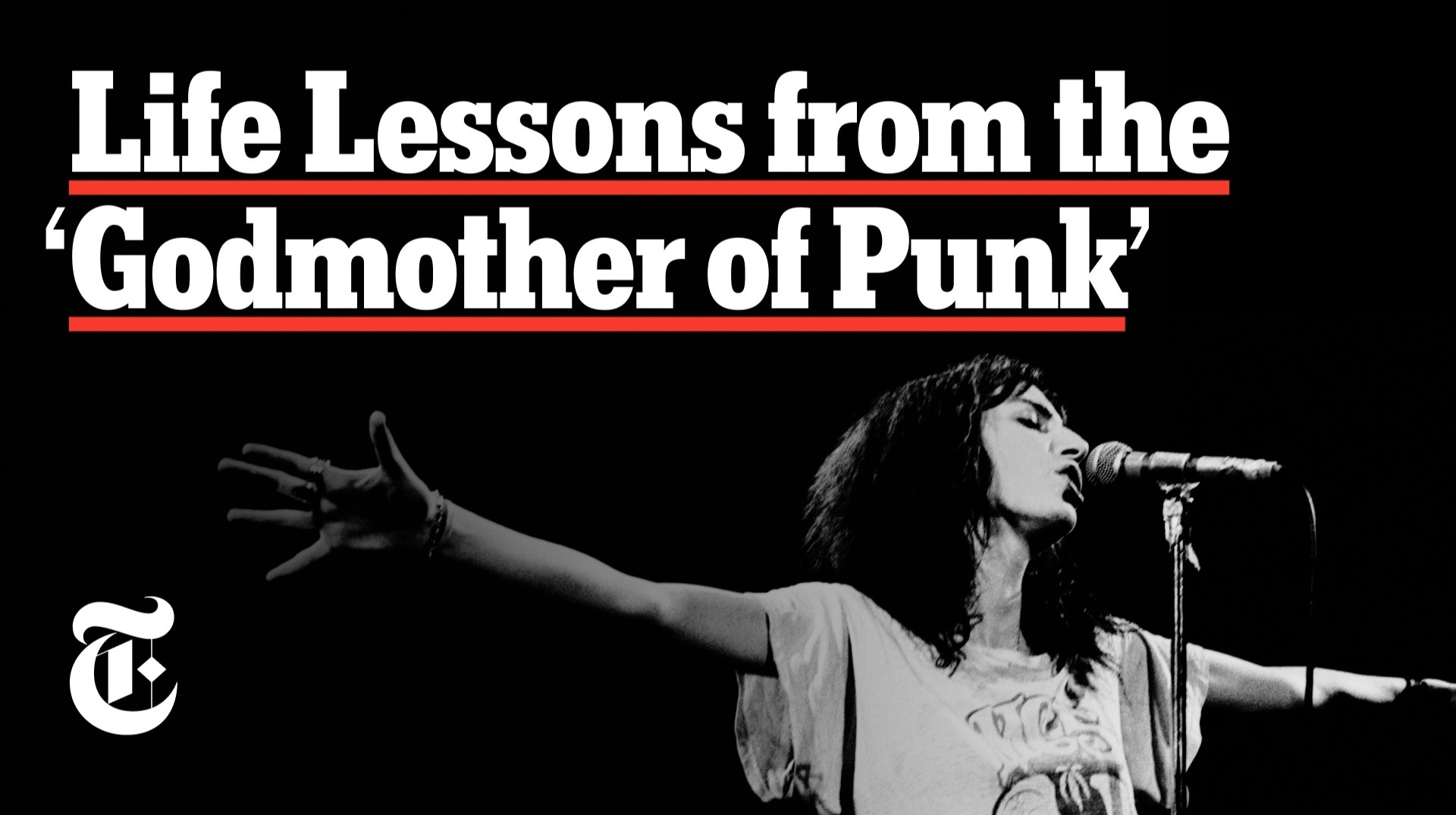
    Patti Smith, “the Godmother of Punk,” has lived a wild life and accumulated so much wisdom in the process. In the 1960s and ’70s, Smith was a fixture of the New York City creative scene — hanging out with the likes of Bob Dylan, Janis Joplin, Allen Ginsberg and Robert Mapplethorpe. Merging her own poetry with an ace backing band, she became a global rock star. Then she gave it up, moved to Michigan, raised a family, and remade herself into a best-selling author. Her stunning memoir “Just Kids” w
     

Patti Smith on the One Desire That Lasts Forever

Patti Smith, “the Godmother of Punk,” has lived a wild life and accumulated so much wisdom in the process. In the 1960s and ’70s, Smith was a fixture of the New York City creative scene — hanging out with the likes of Bob Dylan, Janis Joplin, Allen Ginsberg and Robert Mapplethorpe. Merging her own poetry with an ace backing band, she became a global rock star. Then she gave it up, moved to Michigan, raised a family, and remade herself into a best-selling author. Her stunning memoir “Just Kids” won the National Book Award and is one of the books that I’ve kept returning to, again and again.

There is clearly something unusual about Smith. People who know her have described her as “shamanistic.” But even for those of us who will never become rock stars, there’s something inspiring — and oddly relatable — in how she thinks about life. So I was excited to have the opportunity to sit down with her and learn more.

Smith is out with a new memoir, “Bread of Angels,” and is on tour for the 50th anniversary of her breakthrough album, “Horses.” We talk about that book and that album and so much more: the boundless curiosity that drives her; the books that shaped her; her childhood communion with a snapping turtle; what Andy Warhol was like; what color she thinks the soul is; and a lot more that’s hard even to describe.

This episode contains strong language.

Mentioned:

“Pan’s Labyrinth” by Guillermo del Toro

Grimm’s Complete Fairy Tales by Jacob Grimm and Wilhelm Grimm

Bread of Angels by Patti Smith

Just Kids by Patti Smith

The Dark Blot” by Gérard de Nerval

Genie” by Arthur Rimbaud

Guernica” by Pablo Picasso

The Last Supper” by Andy Warhol

Book Recommendations:

The Adventures of Pinocchio by Carlo Collodi

Frankenstein by Mary Shelley

The Poetry of Sylvia Plath Edited by Claire Brennan

2666 by Roberto Bolaño

Thoughts? Guest suggestions? Email us at ezrakleinshow@nytimes.com.

You can find transcripts (posted midday) and more episodes of “The Ezra Klein Show” at nytimes.com/ezra-klein-podcast, and you can find Ezra on Twitter @ezraklein. Book recommendations from all our guests are listed at https://www.nytimes.com/article/ezra-klein-show-book-recs.

This episode of “The Ezra Klein Show” was produced by Annie Galvin. Fact-checking by Annika Robbins. Our senior engineer is Jeff Geld, with additional mixing by Isaac Jones. Our executive producer is Claire Gordon. The show’s production team also includes Marie Cascione, Rollin Hu, Kristin Lin, Emma Kehlbeck, Jack McCordick, Michelle Harris, Marina King and Jan Kobal. Original music by Pat McCusker and Carole Sabouraud. Audience strategy by Kristina Samulewski and Shannon Busta. The director of New York Times Opinion Audio is Annie-Rose Strasser. Special thanks to Caryn Rose.

Subscribe today at nytimes.com/podcasts or on Apple Podcasts and Spotify. You can also subscribe via your favorite podcast app here https://www.nytimes.com/activate-access/audio?source=podcatcher. For more podcasts and narrated articles, download The New York Times app at nytimes.com/app.


Hosted by Simplecast, an AdsWizz company. See pcm.adswizz.com for information about our collection and use of personal data for advertising.

💾

  • ✇La balado de Fred Savard
  • S08-EP09- Cachez vos enfants, les radicaux sont à nos portes !
    Dans ce 9ᵉ épisode, le sociologue Philippe De Grosbois analyse l’impact politique de la prolifération des panels de discussion dans les émissions d’actualité et comment cet impact tend à favoriser l'émergence de l'extrême-droite. Sa réflexion s'articule à partir de deux évènements marquant des dernières semaines : L’emprisonnement de l’ex-président français Sarkozy et l’élection à la mairie de New York du socialiste Zohran Mamdani.En 2ᵉ partie d’épisode, on brosse un portrait des Democratic Soci
     

S08-EP09- Cachez vos enfants, les radicaux sont à nos portes !

Par :LBFS · LBFS
15 novembre 2025 à 00:00

Dans ce 9ᵉ épisode, le sociologue Philippe De Grosbois analyse l’impact politique de la prolifération des panels de discussion dans les émissions d’actualité et comment cet impact tend à favoriser l'émergence de l'extrême-droite. Sa réflexion s'articule à partir de deux évènements marquant des dernières semaines : L’emprisonnement de l’ex-président français Sarkozy et l’élection à la mairie de New York du socialiste Zohran Mamdani.


En 2ᵉ partie d’épisode, on brosse un portrait des Democratic Socialists of America dont est issu Mamdani. 

💾

  • ✇The Ezra Klein Show
  • Tucker Carlson, Nick Fuentes and the Right’s ‘Groyper’ Problem
    Is this the future of MAGA?Tucker Carlson’s interview with the white nationalist influencer Nick Fuentes has caused a firestorm on the right. Carlson and Fuentes’s friendly chat about American Jews — whether they fit into this country or were loyal to Israel above all — was the kind of conversation that for decades would have been unimaginable among mainstream figures in politics. And by crossing that line, Carlson was making a statement — about the power of Fuentes’s movement and the future of
     

Tucker Carlson, Nick Fuentes and the Right’s ‘Groyper’ Problem

Is this the future of MAGA?

Tucker Carlson’s interview with the white nationalist influencer Nick Fuentes has caused a firestorm on the right. Carlson and Fuentes’s friendly chat about American Jews — whether they fit into this country or were loyal to Israel above all — was the kind of conversation that for decades would have been unimaginable among mainstream figures in politics. And by crossing that line, Carlson was making a statement — about the power of Fuentes’s movement and the future of MAGA.

To help me think through this, I wanted to talk to the political writer John Ganz. He’s studied the roots of antisemitism on the right and has followed the evolution of MAGA closely. He’s behind the newsletter Unpopular Front and the author of “When the Clock Broke: Con Men, Conspiracists, and How America Cracked Up in the Early 1990s.”

This episode contains strong language.

Mentioned:

Unpopular Front” by John Ganz

Finding Neverland” by John Ganz

Groyperfication” by John Ganz

Book Recommendations:

Taking America Back by David Austin Walsh

Furious Minds by Laura K. Field

Prophets of Deceit by Norbert Guterman & Leo Lowenthal

Thoughts? Guest suggestions? Email us at ezrakleinshow@nytimes.com.

You can find transcripts (posted midday) and more episodes of “The Ezra Klein Show” at nytimes.com/ezra-klein-podcast, and you can find Ezra on Twitter @ezraklein. Book recommendations from all our guests are listed at https://www.nytimes.com/article/ezra-klein-show-book-recs.

This episode of “The Ezra Klein Show” was produced by Jack McCordick. Fact-checking by Ashley Braun. Our senior engineer is Jeff Geld, with additional mixing by Isaac Jones. Our executive producer is Claire Gordon. The show’s production team also includes Marie Cascione, Annie Galvin, Rollin Hu, Kristin Lin, Emma Kehlbeck, Marina King and Jan Kobal. Original music by Pat McCusker. Audience strategy by Kristina Samulewski and Shannon Busta. The director of New York Times Opinion Audio is Annie-Rose Strasser.

Subscribe today at nytimes.com/podcasts or on Apple Podcasts and Spotify. You can also subscribe via your favorite podcast app here https://www.nytimes.com/activate-access/audio?source=podcatcher. For more podcasts and narrated articles, download The New York Times app at nytimes.com/app.


Hosted by Simplecast, an AdsWizz company. See pcm.adswizz.com for information about our collection and use of personal data for advertising.

💾

  • ✇The Ezra Klein Show
  • What Were Democrats Thinking?
    Democrats’ case for the government shutdown was just starting to break through to voters. Why fold now?Thoughts? Guest suggestions? Email us at ezrakleinshow@nytimes.com.You can find the transcript and more episodes of “The Ezra Klein Show” at nytimes.com/ezra-klein-podcast. Book recommendations from all our guests are listed at https://www.nytimes.com/article/ezra-klein-show-book-recs.html This column read was produced by Kristin Lin. Fact-checking by Jack McCordick. Our senior engineer is Jeff
     

What Were Democrats Thinking?

Democrats’ case for the government shutdown was just starting to break through to voters. Why fold now?

Thoughts? Guest suggestions? Email us at ezrakleinshow@nytimes.com.

You can find the transcript and more episodes of “The Ezra Klein Show” at nytimes.com/ezra-klein-podcast. Book recommendations from all our guests are listed at https://www.nytimes.com/article/ezra-klein-show-book-recs.html 

This column read was produced by Kristin Lin. Fact-checking by Jack McCordick. Our senior engineer is Jeff Geld, with mixing by Isaac Jones. Our executive producer is Claire Gordon. The show’s production team also includes Marie Cascione, Annie Galvin, Michelle Harris, Rollin Hu, Marina King, Emma Kehlbeck and Jan Kobal. Original music by Aman Sahota and Pat McCusker. Audience strategy by Kristina Samulewski and Shannon Busta. The director of New York Times Opinion Audio is Annie-Rose Strasser.

Subscribe today at nytimes.com/podcasts or on Apple Podcasts and Spotify. You can also subscribe via your favorite podcast app here https://www.nytimes.com/activate-access/audio?source=podcatcher. For more podcasts and narrated articles, download The New York Times app at nytimes.com/app.

Subscribe today at nytimes.com/podcasts or on Apple Podcasts and Spotify. You can also subscribe via your favorite podcast app here https://www.nytimes.com/activate-access/audio?source=podcatcher. For more podcasts and narrated articles, download The New York Times app at nytimes.com/app.


Hosted by Simplecast, an AdsWizz company. See pcm.adswizz.com for information about our collection and use of personal data for advertising.

💾

  • ✇Cyber Citoyen
  • Internet était une erreur
    Sam H et Cath DG de retour dans le studio pour un épisode format classique de Cyber Citoyen.On parle de la Chine qui tape sur les réseaux de fraude organisés et condamne des fraudeurs à la peine capitale.Les browsers qui utilisent l'IA "agentique", les risques pour la sécurité que ça implique et les efforts pour mitiger ces risquesLe mot de passe du musée du LouvreMeta veut nous micro-cibler encore plus intensément à l'aide de pubs 100% IAAnimation: Catherine Dupont-GagnonMontage: Sam HarperIndi
     

Internet était une erreur

10 novembre 2025 à 11:01

Sam H et Cath DG de retour dans le studio pour un épisode format classique de Cyber Citoyen.


Animation: Catherine Dupont-Gagnon

Montage: Sam Harper

Indicatif sonore: DJ Mutante

Crédit photo: Haonan Wei


Hébergé par Acast. Visitez acast.com/privacy pour plus d'informations.

💾

  • ✇La balado de Fred Savard
  • S08-EP08- Les Incels, du clic à l'attentat contre les femmes
    On reçoit l’autrice Annvor Seim Vestrheim pour son essai Incels, du clic à l’attentat, une plongée glaçante dans l’univers des incels où la violence contre les femmes est érigée en système politique. En chronique, Helen Faradji en profite nous présenter une réflexion étoffée sur la figure de l’incel dans la cinématographie américaine, bien avant que le concept même soit développé par la sociologie. Et en fin d’épisode, Mégane Desrosiers vient nous présenter le dernier numéro de Lettres Québécois
     

S08-EP08- Les Incels, du clic à l'attentat contre les femmes

Par :LBFS · LBFS
8 novembre 2025 à 00:00

On reçoit l’autrice Annvor Seim Vestrheim pour son essai Incels, du clic à l’attentat, une plongée glaçante dans l’univers des incels où la violence contre les femmes est érigée en système politique. 


En chronique, Helen Faradji en profite nous présenter une réflexion étoffée sur la figure de l’incel dans la cinématographie américaine, bien avant que le concept même soit développé par la sociologie.


Et en fin d’épisode, Mégane Desrosiers vient nous présenter le dernier numéro de Lettres Québécoises


💾

  • ✇The Ezra Klein Show
  • The Blue Wave Cometh?
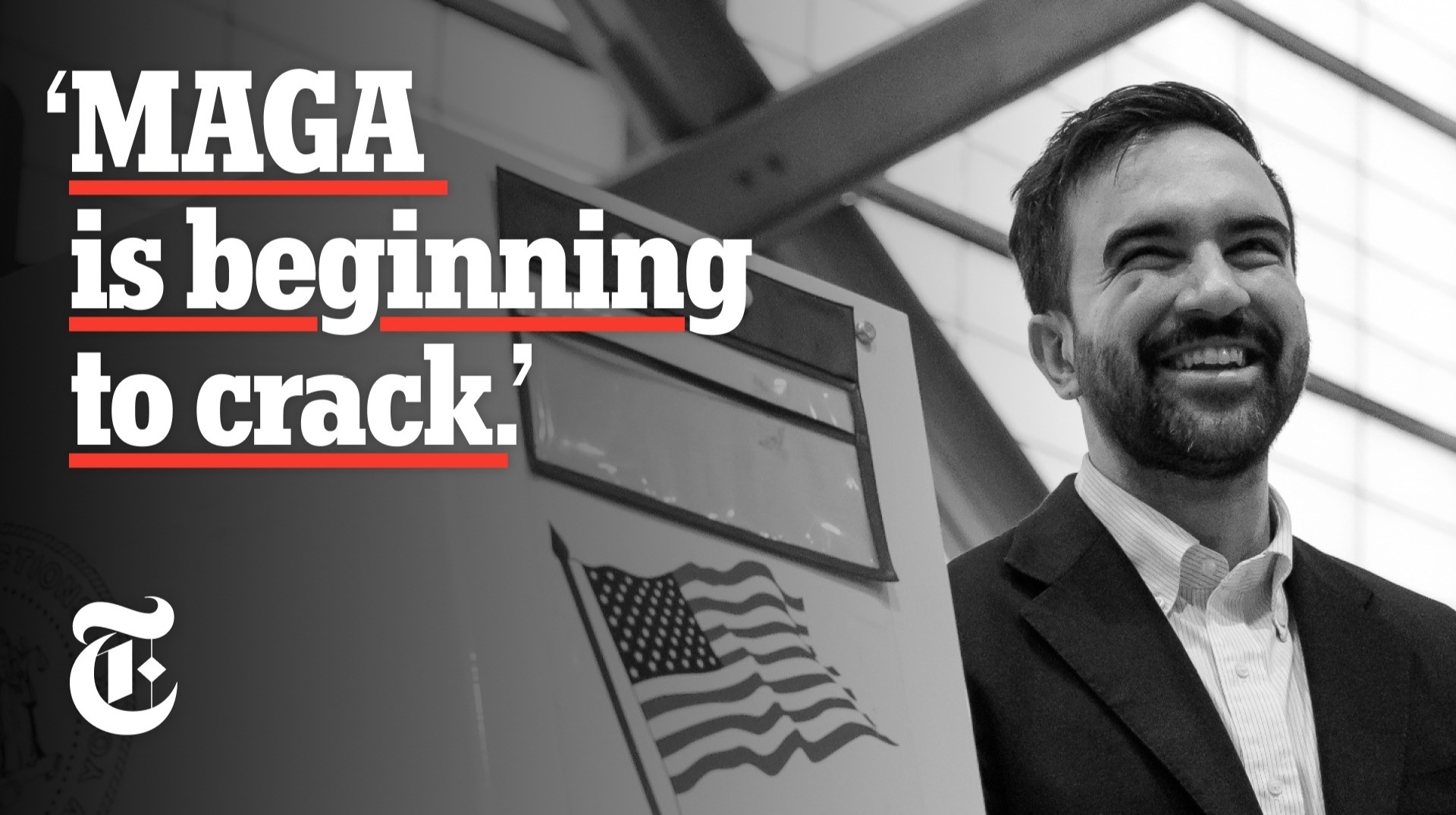
    Democrats won big on Tuesday. It looks like the MAGA coalition has started to crack.Ezra is joined by his column editor, Aaron Retica, to discuss the big lessons for Democrats as they eye the midterms next year, and whether an anti-MAGA playbook is coming into focus.This episode contains strong language.NOTE: We're recording an "Ask Me Anything" episode soon. You can send your question to ezrakleinshow@nytimes.com with the subject line "AMA." We'll consider any questions submitted on or before t
     

The Blue Wave Cometh?

Democrats won big on Tuesday. It looks like the MAGA coalition has started to crack.

Ezra is joined by his column editor, Aaron Retica, to discuss the big lessons for Democrats as they eye the midterms next year, and whether an anti-MAGA playbook is coming into focus.

This episode contains strong language.

NOTE: We're recording an "Ask Me Anything" episode soon. You can send your question to ezrakleinshow@nytimes.com with the subject line "AMA." We'll consider any questions submitted on or before the morning of Monday November 11 at 10am ET.

Mentioned:

This Is the Way You Beat Trump — and Trumpism” by Ezra Klein

Ordinary Vices by Judith N. Shklar

Marc Maron's podcast with Barack Obama

Zohran’s Smile” by Anand Ghiridharadas

Thoughts? Guest suggestions? Email us at ezrakleinshow@nytimes.com.

You can find transcripts (posted midday) and more episodes of “The Ezra Klein Show” at nytimes.com/ezra-klein-podcast, and you can find Ezra on Twitter @ezraklein. Book recommendations from all our guests are listed at https://www.nytimes.com/article/ezra-klein-show-book-recs.

This episode of “The Ezra Klein Show” was produced by Annie Galvin. Fact-checking by Michelle Harris, Kate Sinclair and Marie Cascione. Our senior engineer is Jeff Geld. Mixing by Isaac Jones. Our executive producer is Claire Gordon. The show’s production team also includes Rollin Hu, Kristin Lin, Emma Kehlbeck, Jack McCordick, Marina King and Jan Kobal. Original music by Pat McCusker. Audience strategy by Kristina Samulewski and Shannon Busta. The director of New York Times Opinion Audio is Annie-Rose Strasser.

Subscribe today at nytimes.com/podcasts or on Apple Podcasts and Spotify. You can also subscribe via your favorite podcast app here https://www.nytimes.com/activate-access/audio?source=podcatcher. For more podcasts and narrated articles, download The New York Times app at nytimes.com/app.


Hosted by Simplecast, an AdsWizz company. See pcm.adswizz.com for information about our collection and use of personal data for advertising.

💾

Épisode bonus: La constitution du Québec à l'assaut des libertés fondamentales

Par :LBFS · LBFS
4 novembre 2025 à 06:22

Épisode bonus en compagnie de Louis-Philippe Lampron, professeur de droit à l'université Laval, où l'on tente de comprendre les motivations réelles derrière le projet de constitution québécoise du gouvernement Legault et comme ce projet (et les lois spéciales adoptées sous bâillon) devraient inquiéter la société civile québécoise

💾

  • ✇The Ezra Klein Show
  • This Is How the Democratic Party Beats Trump
    Democrats don’t just need to win more people; they also need to win more places. And that requires a different kind of thinking.Mentioned:"How Liberalism Wins" by Ezra KleinThoughts? Guest suggestions? Email us at ezrakleinshow@nytimes.com.You can find the transcript and more episodes of “The Ezra Klein Show” at nytimes.com/ezra-klein-podcast. Book recommendations from all our guests are listed at https://www.nytimes.com/article/ezra-klein-show-book-recs.htmlThis episode of “The Ezra Klein Show”
     

This Is How the Democratic Party Beats Trump

Democrats don’t just need to win more people; they also need to win more places. And that requires a different kind of thinking.

Mentioned:

"How Liberalism Wins" by Ezra Klein

Thoughts? Guest suggestions? Email us at ezrakleinshow@nytimes.com.

You can find the transcript and more episodes of “The Ezra Klein Show” at nytimes.com/ezra-klein-podcast. Book recommendations from all our guests are listed at https://www.nytimes.com/article/ezra-klein-show-book-recs.html

This episode of “The Ezra Klein Show” was produced by Claire Gordon, Marie Cascione and Kristin Lin. Fact-checking by Michelle Harris. Our senior engineer is Jeff Geld. Our executive producer is Claire Gordon. The show’s production team also includes Annie Galvin, Rollin Hu, Emma Kehlbeck, Jack McCordick, Marina King and Jan Kobal. Original music by Pat McCusker. Audience strategy by Kristina Samulewski and Shannon Busta. The director of New York Times Opinion Audio is Annie-Rose Strasser. Special thanks to Isaac Jones.

Subscribe today at nytimes.com/podcasts or on Apple Podcasts and Spotify. You can also subscribe via your favorite podcast app here https://www.nytimes.com/activate-access/audio?source=podcatcher. For more podcasts and narrated articles, download The New York Times app at nytimes.com/app.


Hosted by Simplecast, an AdsWizz company. See pcm.adswizz.com for information about our collection and use of personal data for advertising.

💾

  • ✇La balado de Fred Savard
  • S08-EP07- L'énigme de l'IA ou se rendre inutile pour combattre le capitalisme
    Un épisode en 3 temps où on découvre d’abord les suggestions de lectures de la prof de philo féministe Mélissa Thériault Katrie Chagnon et Catherine Lavoie-Marcus viennent nous présenter le #290 de Spirale: Danse et dépense Et au coeur de cet épisode, la plongée de Godefroy Laurendeau dans le monde l’IA, de ses balbutiements dans les années 40 à l’éclatement de la bulle spéculative qui semble poindre devant nous. En prime, des voix de robots complètement psychotroniques !
     

S08-EP07- L'énigme de l'IA ou se rendre inutile pour combattre le capitalisme

Par :LBFS · LBFS
1 novembre 2025 à 00:00

Un épisode en 3 temps où on découvre d’abord les suggestions de lectures de la prof de philo féministe Mélissa Thériault 


Katrie Chagnon et Catherine Lavoie-Marcus viennent nous présenter le #290 de Spirale: Danse et dépense


Et au coeur de cet épisode, la plongée de Godefroy Laurendeau dans le monde l’IA, de ses balbutiements dans les années 40 à l’éclatement de la bulle spéculative qui semble poindre devant nous. En prime, des voix de robots complètement psychotroniques !

💾

  • ✇The Ezra Klein Show
  • The Israeli Right’s Plan to Carve Up Gaza
    Israeli forces still occupy half of Gaza. In the cease-fire deal, Israel agreed to fully withdraw its presence there once Hamas fully demilitarized. But Amit Segal thinks that’s unlikely to happen anytime soon. Instead, he believes Gaza will end up divided. So what does that really mean? What are the implications?Segal is the chief political analyst for Channel 12 News in Israel and is known to be quite close to the Netanyahu government. He writes the newsletter It’s Noon in Israel and is the au
     

The Israeli Right’s Plan to Carve Up Gaza

Israeli forces still occupy half of Gaza. In the cease-fire deal, Israel agreed to fully withdraw its presence there once Hamas fully demilitarized. But Amit Segal thinks that’s unlikely to happen anytime soon. Instead, he believes Gaza will end up divided. So what does that really mean? What are the implications?

Segal is the chief political analyst for Channel 12 News in Israel and is known to be quite close to the Netanyahu government. He writes the newsletter It’s Noon in Israel and is the author of the book “A Call at 4 a.m.: Thirteen Prime Ministers and the Crucial Decisions That Shaped Israeli Politics,” which was recently published in English.

In this conversation, he talks about why most Israelis don’t see the cease-fire as the end of the war between Israel and Hamas and how this conflict is mapping onto Israeli politics — both at present and as the country looks toward its next elections.

This episode contains strong language.

Book Recommendations:

The Accidental President by A. J. Baime

An Unfinished Love Story by Doris Kearns Goodwin

Messiah in Sde Boker by Hagai Segal

Thoughts? Guest suggestions? Email us at ezrakleinshow@nytimes.com.

You can find the transcript and more episodes of “The Ezra Klein Show” at nytimes.com/ezra-klein-podcast. Book recommendations from all our guests are listed at https://www.nytimes.com/article/ezra-klein-show-book-recs.html

This episode of “The Ezra Klein Show” was produced by Jack McCordick. Fact-checking by Michelle Harris, Kate Sinclair and Mary Marge Locker. Our senior engineer is Jeff Geld, with additional mixing by Isaac Jones. Our executive producer is Claire Gordon. The show’s production team also includes Marie Cascione, Annie Galvin, Rollin Hu, Kristin Lin, Emma Kehlbeck, Marina King and Jan Kobal. Original music by Pat McCusker and Aman Sahota. Audience strategy by Kristina Samulewski and Shannon Busta. The director of New York Times Opinion Audio is Annie-Rose Strasser. Transcript editing by Naomi Noury.

Subscribe today at nytimes.com/podcasts or on Apple Podcasts and Spotify. You can also subscribe via your favorite podcast app here https://www.nytimes.com/activate-access/audio?source=podcatcher. For more podcasts and narrated articles, download The New York Times app at nytimes.com/app.


Hosted by Simplecast, an AdsWizz company. See pcm.adswizz.com for information about our collection and use of personal data for advertising.

💾

  • ✇Cyber Citoyen
  • Le monde selon Cyber Citoyen et Polysécure: Résume pas ce podcast avec ChatGPT
    On le sait, on ne sort pas ce balado super régulièrement ces derniers temps. On s'en excuse. Heureusement que notre ami Nicolas-Loïc du balado Polysécure est là pour nous garder sur la bonne voie.Pour ceux et celles qui comptent, l'épisode crossover numéro 8 n'a pas été publié sur notre feed. C'était un enregistrement live au GoSec.Dans cet épisode, on fait un suivi de notre application préférée, Tea, on parle d'une étude réalisée pour évaluer la fiabilité de l'IA générative à résumer des articl
     

Le monde selon Cyber Citoyen et Polysécure: Résume pas ce podcast avec ChatGPT

27 octobre 2025 à 06:30

On le sait, on ne sort pas ce balado super régulièrement ces derniers temps. On s'en excuse. Heureusement que notre ami Nicolas-Loïc du balado Polysécure est là pour nous garder sur la bonne voie.

Pour ceux et celles qui comptent, l'épisode crossover numéro 8 n'a pas été publié sur notre feed. C'était un enregistrement live au GoSec.


Dans cet épisode, on fait un suivi de notre application préférée, Tea, on parle d'une étude réalisée pour évaluer la fiabilité de l'IA générative à résumer des articles d'actualité et on termine avec une histoire de hacker utilisant la technologie de façon créative dans une prison roumaine.


Bonne écoute!


Hébergé par Acast. Visitez acast.com/privacy pour plus d'informations.

💾

  • ✇La balado de Fred Savard
  • S08-EP06- La politique municipale, ce laboratoire des démocraties du futur
    À quelques jours des élections municipales du 2 novembre, on prend un pas de côté pour réfléchir à la richesse de cette vie politique municipale qui constitue une laboratoire sociale d’une grande valeur.Avec les chercheurs et chercheuses André Blais, Philippe Dubois, Emmanuel Choquette et Sophie Lachance du Centre pour l’étude de la citoyenneté démocratique (CECD) ainsi que la chaire de recherche du Québec sur la démocratie, le vivre-ensemble et les valeurs communes,  on tente de comprendre tout
     

S08-EP06- La politique municipale, ce laboratoire des démocraties du futur

Par :LBFS · LBFS
25 octobre 2025 à 00:00

À quelques jours des élections municipales du 2 novembre, on prend un pas de côté pour réfléchir à la richesse de cette vie politique municipale qui constitue une laboratoire sociale d’une grande valeur.


Avec les chercheurs et chercheuses André Blais, Philippe Dubois, Emmanuel Choquette et Sophie Lachance du Centre pour l’étude de la citoyenneté démocratique (CECD) ainsi que la chaire de recherche du Québec sur la démocratie, le vivre-ensemble et les valeurs communes,  on tente de comprendre toute la richesse de cette vie démocratique souvent malmenée mais pourtant au coeur d’un renouveau démocratique essentiel en cette période trouble sur le plan politique. 


💾

  • ✇The Ezra Klein Show
  • Can Economic Populism Save the Democratic Party?
    The “Democratic penalty” should scare the hell out of Democrats.The Democratic Party brand has become toxic in certain parts of the country, especially with working- class voters. The Center for Working-Class Politics has actually measured this so-called “Democratic penalty,” and found it’s in the double digits in some Rust Belt states.So what should Democrats do about it?One theory says that Democrats were once economic populists and just need to be again. Another theory says that the working c
     

Can Economic Populism Save the Democratic Party?

The “Democratic penalty” should scare the hell out of Democrats.

The Democratic Party brand has become toxic in certain parts of the country, especially with working- class voters. The Center for Working-Class Politics has actually measured this so-called “Democratic penalty,” and found it’s in the double digits in some Rust Belt states.

So what should Democrats do about it?

One theory says that Democrats were once economic populists and just need to be again. Another theory says that the working class feels left behind and looked down on by a Democratic Party that has moved sharply left on culture, on climate, on guns, on immigration.

Jared Abbott is the director of the Center for Working-Class Politics, which has done a lot of research and polling on working- class voters. So I asked him on the show to talk through these theories and what it would take for Democrats to once again be the party of the working class.

Mentioned:

“Compensate the Losers?” Economic Policy and Partisan Realignment in the US

“Representation Gaps: Changes in Popular Preferences and the Structure of Partisan Competition in the Developed Democracies” by Peter A. Hall and Georgina Evans

Book Recommendations:

Rust Belt Union Blues by Lainey Newman and Theda Skocpol

We’re Still Here by Jennifer M. Silva

America, América by Greg Grandin

Thoughts? Guest suggestions? Email us at ezrakleinshow@nytimes.com.

You can find transcripts (posted midday) and more episodes of “The Ezra Klein Show” at nytimes.com/ezra-klein-podcast, and you can find Ezra on Twitter @ezraklein. Book recommendations from all our guests are listed at https://www.nytimes.com/article/ezra-klein-show-book-recs.

This episode of “The Ezra Klein Show” was produced by Rollin Hu. Fact-checking by Michelle Harris. Our senior engineer is Jeff Geld, with additional mixing by Isaac Jones. Our executive producer is Claire Gordon. The show’s production team also includes Marie Cascione, Annie Galvin, Kristin Lin, Emma Kehlbeck, Jack McCordick, Marina King and Jan Kobal. Original music by Aman Sahota and Pat McCusker. Audience strategy by Kristina Samulewski and Shannon Busta. The director of New York Times Opinion Audio is Annie-Rose Strasser.

Subscribe today at nytimes.com/podcasts or on Apple Podcasts and Spotify. You can also subscribe via your favorite podcast app here https://www.nytimes.com/activate-access/audio?source=podcatcher. For more podcasts and narrated articles, download The New York Times app at nytimes.com/app.


Hosted by Simplecast, an AdsWizz company. See pcm.adswizz.com for information about our collection and use of personal data for advertising.

💾

  • ✇The Ezra Klein Show
  • The Rural Power Behind Trump’s Assault on Blue Cities
    President Trump’s deployment of the National Guard from red states into blue cities isn’t just a partisan attack; it’s also a geographic one. In the 2024 election, Donald Trump won rural areas by 40 percentage points. And you could see what’s been happening in Washington, D.C., and Chicago as a rural political coalition militarily occupying urban centers. The rural-urban divide in America has become so big it’s dangerous — for our politics, and for democracy. And yet, just a few decades ago, thi
     

The Rural Power Behind Trump’s Assault on Blue Cities

President Trump’s deployment of the National Guard from red states into blue cities isn’t just a partisan attack; it’s also a geographic one. In the 2024 election, Donald Trump won rural areas by 40 percentage points. And you could see what’s been happening in Washington, D.C., and Chicago as a rural political coalition militarily occupying urban centers. The rural-urban divide in America has become so big it’s dangerous — for our politics, and for democracy. And yet, just a few decades ago, this divide didn’t exist. Urban and rural areas voted pretty much in lockstep. And for Democrats to gain power again, they’ll need to figure out how to win some of those voters back.

So how did the Democratic Party lose rural voters? And what could they do to win their votes back?

Suzanne Mettler is a political scientist at Cornell University and the co-author with Trevor E. Brown of the new book “Rural Versus Urban: The Growing Divide That Threatens Democracy.”

Mentioned:

Rural Versus Urban by Suzanne Mettler and Trevor E. Brown

Four Threats by Robert C. Lieberman and Suzanne Mettler

Book Recommendations:

The Politics of Resentment by Katherine J. Cramer

Demon Copperhead by Barbara Kingsolver

Devotions by Mary Oliver

Thoughts? Guest suggestions? Email us at ezrakleinshow@nytimes.com.

You can find transcripts (posted midday) and more episodes of “The Ezra Klein Show” at nytimes.com/ezra-klein-podcast, and you can find Ezra on Twitter @ezraklein. Book recommendations from all our guests are listed at https://www.nytimes.com/article/ezra-klein-show-book-recs.

This episode of “The Ezra Klein Show” was produced by Jack McCordick. Fact-checking by Will Peischel. Our senior engineer is Jeff Geld, with additional mixing by Aman Sahota. Our executive producer is Claire Gordon. The show’s production team also includes Marie Cascione, Annie Galvin, Rollin Hu, Kristin Lin, Michelle Harris, Marina King, Emma Kehlbeck and Jan Kobal. Original music by Isaac Jones, Carole Sabouraud, and Pat McCusker. Audience strategy by Kristina Samulewski and Shannon Busta. The director of New York Times Opinion Audio is Annie-Rose Strasser.

Subscribe today at nytimes.com/podcasts or on Apple Podcasts and Spotify. You can also subscribe via your favorite podcast app here https://www.nytimes.com/activate-access/audio?source=podcatcher. For more podcasts and narrated articles, download The New York Times app at nytimes.com/app.


Hosted by Simplecast, an AdsWizz company. See pcm.adswizz.com for information about our collection and use of personal data for advertising.

💾

  • ✇La balado de Fred Savard
  • S08-EP05- Peut-on aller au-delà de la violence
    On reçoit l'essayiste et romancier Yvon Rivard qui vient de publier La mort, la vie toujours recommencée. Essai sur l’au-delà de la violence, un essai où l'auteur nous invite à renouer avec notre finitude pour apprivoiser la mort et surtout, pour tenter d'imaginer une sortie de la violence et une humanité renouvelée.On reçoit également Debbie Lynch-White qui signe et met en scène sa première création théâtrale, L'usure de nos aurores qui place la violence au coeur d'une relation amoureuse entre
     

S08-EP05- Peut-on aller au-delà de la violence

Par :LBFS · LBFS
18 octobre 2025 à 00:00

On reçoit l'essayiste et romancier Yvon Rivard qui vient de publier La mort, la vie toujours recommencée. Essai sur l’au-delà de la violence, un essai où l'auteur nous invite à renouer avec notre finitude pour apprivoiser la mort et surtout, pour tenter d'imaginer une sortie de la violence et une humanité renouvelée.

On reçoit également Debbie Lynch-White qui signe et met en scène sa première création théâtrale, L'usure de nos aurores qui place la violence au coeur d'une relation amoureuse entre 2 femmes.

Et avec Jess Legault de la FQPN et Laurence Guénette de la Ligue des droits et libertés, on s'inquiète des finalités diffuses du nouveau projet de constitution du gouvernement caquiste.  

💾

  • ✇The Ezra Klein Show
  • Can the Israel-Hamas Deal Hold?
    Every Israeli-Palestinian peace deal has failed. Could Trump’s be any different?On Oct. 10, the Israeli cabinet approved a cease-fire deal brokered by the Trump administration, Turkey and Qatar. Since then, the living Israeli hostages have come home. Nearly 2,000 Palestinian prisoners in Israel have been freed. Israeli forces have partially withdrawn from the Gaza Strip, and they’re allowing in more desperately needed aid. This is finally, hopefully, the end of this war.But that was just the fir
     

Can the Israel-Hamas Deal Hold?

Every Israeli-Palestinian peace deal has failed. Could Trump’s be any different?

On Oct. 10, the Israeli cabinet approved a cease-fire deal brokered by the Trump administration, Turkey and Qatar. Since then, the living Israeli hostages have come home. Nearly 2,000 Palestinian prisoners in Israel have been freed. Israeli forces have partially withdrawn from the Gaza Strip, and they’re allowing in more desperately needed aid. This is finally, hopefully, the end of this war.

But that was just the first part of the deal. The next phase is a lot more ambitious — and ambiguous. And while President Trump said the region would now “live, God willing, in peace for all eternity,” history would suggest otherwise.

Robert Malley has worked on Middle East policy under President Barack Obama, President Joe Biden and President Bill Clinton. Hussein Agha negotiated on the Palestinian side, working under both Yasir Arafat, the first president of the Palestinian Authority, and the P.A.’s current president, Mahmoud Abbas. Together they wrote a sweeping new history of attempts at peace, “Tomorrow Is Yesterday: Life, Death, and the Pursuit of Peace in Israel/Palestine.” They join me to examine what could go right — or wrong — as the rest of the deal takes shape.

Mentioned:

Tomorrow Is Yesterday by Hussein Agha and Robert Malley

Book Recommendations:

One Day, Everyone Will Have Always Been Against This by Omar El Akkad

Say Nothing by Patrick Radden Keefe

Dirty Hands by Jean-Paul Sartre

The Just Assassins by Albert Camus

The History of the Peloponnesian War by Thucydides

The Man Without Qualities by Robert Musil

Hollywood Babylon by Kenneth Anger

Thoughts? Guest suggestions? Email us at ezrakleinshow@nytimes.com.

You can find transcripts (posted midday) and more episodes of “The Ezra Klein Show” at nytimes.com/ezra-klein-podcast, and you can find Ezra on Twitter @ezraklein. Book recommendations from all our guests are listed at https://www.nytimes.com/article/ezra-klein-show-book-recs.

This episode of “The Ezra Klein Show” was produced by Annie Galvin. Fact-checking by Michelle Harris and Jack McCordick. Our senior engineer is Jeff Geld, with additional mixing by Aman Sahota and Isaac Jones. Our executive producer is Claire Gordon. The show’s production team also includes Marie Cascione, Annie Galvin, Rollin Hu, Kristin Lin, Emma Kehlbeck, Marina King and Jan Kobal. Original music by Pat McCusker. Audience strategy by Kristina Samulewski and Shannon Busta. The director of New York Times Opinion Audio is Annie-Rose Strasser. Special thanks to Chris Wood and Ashley Clivery.

Subscribe today at nytimes.com/podcasts or on Apple Podcasts and Spotify. You can also subscribe via your favorite podcast app here https://www.nytimes.com/activate-access/audio?source=podcatcher. For more podcasts and narrated articles, download The New York Times app at nytimes.com/app.


Hosted by Simplecast, an AdsWizz company. See pcm.adswizz.com for information about our collection and use of personal data for advertising.

💾

  • ✇The Ezra Klein Show
  • How Afraid of the A.I. Apocalypse Should We Be?
    Eliezer Yudkowsky is as afraid as you could possibly be. He makes his case.Yudkowsky is a pioneer of A.I. safety research, who started warning about the existential risks of the technology decades ago, – influencing a lot of leading figures in the field. But over the last couple of years, talk of an A.I. apocalypse has become a little passé. Many of the people Yudkowsky influenced have gone on to work for A.I. companies, and those companies are racing ahead to build the superintelligent systems
     

How Afraid of the A.I. Apocalypse Should We Be?

Eliezer Yudkowsky is as afraid as you could possibly be. He makes his case.

Yudkowsky is a pioneer of A.I. safety research, who started warning about the existential risks of the technology decades ago, – influencing a lot of leading figures in the field. But over the last couple of years, talk of an A.I. apocalypse has become a little passé. Many of the people Yudkowsky influenced have gone on to work for A.I. companies, and those companies are racing ahead to build the superintelligent systems Yudkowsky thought humans should never create. But Yudkowsky is still out there sounding the alarm. He has a new book out, co-written with Nate Soares, “If Anyone Builds It, Everyone Dies,” trying to warn the world before it’s too late.

So what does Yudkowsky see that most of us don’t? What makes him so certain? And why does he think he hasn’t been able to persuade more people?

Mentioned:

Oversight of A.I.: Rules for Artificial Intelligence

If Anyone Builds It, Everyone Dies by Eliezer Yudkowsky and Nate Soares

A Teen Was Suicidal. ChatGPT Was the Friend He Confided In.” by Kashmir Hill

Book Recommendations:

A Step Farther Out by Jerry Pournelle

Judgment under Uncertainty by Daniel Kahneman, Paul Slovic, and Amos Tversky

Probability Theory by E. T. Jaynes

Thoughts? Guest suggestions? Email us at ezrakleinshow@nytimes.com.

You can find transcripts (posted midday) and more episodes of “The Ezra Klein Show” at nytimes.com/ezra-klein-podcast, and you can find Ezra on Twitter @ezraklein. Book recommendations from all our guests are listed at https://www.nytimes.com/article/ezra-klein-show-book-recs.

This episode of “The Ezra Klein Show” was produced by Rollin Hu. Fact-checking by Michelle Harris. Our senior engineer is Jeff Geld, with additional mixing by Aman Sahota. Our executive producer is Claire Gordon. The show’s production team also includes Marie Cascione, Annie Galvin, Kristin Lin, Jack McCordick, Marina King and Jan Kobal. Original music by Pat McCusker. Audience strategy by Kristina Samulewski and Shannon Busta. The director of New York Times Opinion Audio is Annie-Rose Strasser. Special thanks to Helen Toner and Jeffrey Ladish.

Subscribe today at nytimes.com/podcasts or on Apple Podcasts and Spotify. You can also subscribe via your favorite podcast app here https://www.nytimes.com/activate-access/audio?source=podcatcher. For more podcasts and narrated articles, download The New York Times app at nytimes.com/app.


Hosted by Simplecast, an AdsWizz company. See pcm.adswizz.com for information about our collection and use of personal data for advertising.

💾

  • ✇The Ezra Klein Show
  • Jon Favreau on Where the Democrats Went Right
    The government shutdown is the Democrats’ first big strategic bet of Trump’s term.Not everyone in the party agreed that shutting down the government was the right move or that health care was the right message. So why did they ultimately pick this fight? What are the risks? And what could Democrats learn here that might help shape their strategy for the midterms and beyond?Jon Favreau, a former Obama speechwriter and a current co-host of “Pod Save America,” joins me to discuss.Mentioned:"Off Mes
     

Jon Favreau on Where the Democrats Went Right

The government shutdown is the Democrats’ first big strategic bet of Trump’s term.

Not everyone in the party agreed that shutting down the government was the right move or that health care was the right message. So why did they ultimately pick this fight? What are the risks? And what could Democrats learn here that might help shape their strategy for the midterms and beyond?

Jon Favreau, a former Obama speechwriter and a current co-host of “Pod Save America,” joins me to discuss.

Mentioned:

"Off Message” by Brian Beutler

What the Shutdown Is Really About” by Ezra Klein

Book Recommendations:

Civil Resistance by Erica Chenoweth

Stride Toward Freedom by Martin Luther King Jr.

The Radical Fund by John Fabian Witt

Thoughts? Guest suggestions? Email us at ezrakleinshow@nytimes.com.

You can find transcripts (posted midday) and more episodes of “The Ezra Klein Show” at nytimes.com/ezra-klein-podcast, and you can find Ezra on Twitter @ezraklein. Book recommendations from all our guests are listed at https://www.nytimes.com/article/ezra-klein-show-book-recs.

This episode of “The Ezra Klein Show” was produced by Annie Galvin and Jack McCordick. Fact-checking by Michelle Harris. Our senior engineer is Jeff Geld, with additional mixing by Aman Sahota. Our executive producer is Claire Gordon. The show’s production team also includes Marie Cascione, Rollin Hu, Kristin Lin, Marina King and Jan Kobal. Original music by Pat McCusker. Audience strategy by Kristina Samulewski and Shannon Busta. The director of New York Times Opinion Audio is Annie-Rose Strasser.

Subscribe today at nytimes.com/podcasts or on Apple Podcasts and Spotify. You can also subscribe via your favorite podcast app here https://www.nytimes.com/activate-access/audio?source=podcatcher. For more podcasts and narrated articles, download The New York Times app at nytimes.com/app.


Hosted by Simplecast, an AdsWizz company. See pcm.adswizz.com for information about our collection and use of personal data for advertising.

💾

  • ✇La balado de Fred Savard
  • S08-EP04- Les 25 ans de l'IRIS, ze cabaret
    Cet épisode est la captation devant public de l'épisode-cabaret enregistrée au Ausgang Plaza jeudi le 9 octobre 2025 afin de souligner 25 ans de recherche à l'IRIS.  En plus d'accueillir les chercheuses et chercheurs Maxime Fortin, Julia Posca, Philippe Hurteau,  Bertrand Schepper, Anne Plourde, Guillaume Hébert et Eve-Lyne Couturier à la co-animation, l'épisode-cabaret met en vedette les humoristes Coralie LaPerrière, Xavier Boisrond ainsi que l'autrice  Kev Lambert.Un épisode qui célèbre la ri
     

S08-EP04- Les 25 ans de l'IRIS, ze cabaret

Par :LBFS · LBFS
11 octobre 2025 à 00:00

Cet épisode est la captation devant public de l'épisode-cabaret enregistrée au Ausgang Plaza jeudi le 9 octobre 2025 afin de souligner 25 ans de recherche à l'IRIS. 

En plus d'accueillir les chercheuses et chercheurs Maxime Fortin, Julia Posca, Philippe Hurteau,  Bertrand Schepper, Anne Plourde, Guillaume Hébert et Eve-Lyne Couturier à la co-animation, l'épisode-cabaret met en vedette les humoristes Coralie LaPerrièreXavier Boisrond ainsi que l'autrice  Kev Lambert.

Un épisode qui célèbre la rigueur scientifique mais pas l'austérité économique !

💾

  • ✇The Ezra Klein Show
  • What the Shutdown Is Really About
    There’s a serious high-stakes policy fight at the heart of this.The Democrats didn’t pick a fight over authoritarianism or tariffs or masked immigration agents in the streets. They picked one over health care. And the issue here is very real. Huge health insurance subsidies passed under President Joe Biden are set to expire at the end of this year, threatening to make health care premiums skyrocket and kick millions off their insurance.Neera Tanden was one of the architects of the Affordable Car
     

What the Shutdown Is Really About

There’s a serious high-stakes policy fight at the heart of this.

The Democrats didn’t pick a fight over authoritarianism or tariffs or masked immigration agents in the streets. They picked one over health care. And the issue here is very real. Huge health insurance subsidies passed under President Joe Biden are set to expire at the end of this year, threatening to make health care premiums skyrocket and kick millions off their insurance.

Neera Tanden was one of the architects of the Affordable Care Act and has worked in Democratic policymaking for decades. She is the president of the Center for American Progress and was a director of Biden’s Domestic Policy Council. I asked her on the show to lay out the policy stakes of the shutdown and what a deal might look like.

Mentioned:

KFF Health Tracking Poll

The Time Tax by Annie Lowrey

One Big Beautiful Bill Act

Book Recommendations:

Why Nations Fail by Daron Acemoglu and James A. Robinson

The Sirens’ Call by Chris Hayes

End Times by Peter Turchin

Thoughts? Guest suggestions? Email us at ezrakleinshow@nytimes.com.

You can find transcripts (posted midday) and more episodes of “The Ezra Klein Show” at nytimes.com/ezra-klein-podcast, and you can find Ezra on Twitter @ezraklein. Book recommendations from all our guests are listed at https://www.nytimes.com/article/ezra-klein-show-book-recs.

This episode of “The Ezra Klein Show” was produced by Rollin Hu. Fact-checking by Michelle Harris and Kate Sinclair. Our senior engineer is Jeff Geld, with additional mixing by Aman Sahota. Our executive producer is Claire Gordon. The show’s production team also includes Marie Cascione, Annie Galvin, Kristin Lin, Jack McCordick, Marina King and Jan Kobal. Original music by Pat McCusker. Audience strategy by Kristina Samulewski and Shannon Busta. The director of New York Times Opinion Audio is Annie-Rose Strasser.

Subscribe today at nytimes.com/podcasts or on Apple Podcasts and Spotify. You can also subscribe via your favorite podcast app here https://www.nytimes.com/activate-access/audio?source=podcatcher. For more podcasts and narrated articles, download The New York Times app at nytimes.com/app.


Hosted by Simplecast, an AdsWizz company. See pcm.adswizz.com for information about our collection and use of personal data for advertising.

💾

  • ✇The Ezra Klein Show
  • A Breath of Fresh Air With Brian Eno
    Brian Eno’s music opens up worlds I love to step into during trying times. And this conversation with Eno did the same thing.Eno is a trailblazing musician and producer who’s worked on seminal records by U2, David Bowie, the Talking Heads and Coldplay, among others. But Eno isn’t just a great collaborator with other artists; he’s also a great collaborator with machines. He’s been experimenting with music technology for decades. Long before we started worrying about ChatGPT replacing human creati
     

A Breath of Fresh Air With Brian Eno

Brian Eno’s music opens up worlds I love to step into during trying times. And this conversation with Eno did the same thing.

Eno is a trailblazing musician and producer who’s worked on seminal records by U2, David Bowie, the Talking Heads and Coldplay, among others. But Eno isn’t just a great collaborator with other artists; he’s also a great collaborator with machines. He’s been experimenting with music technology for decades. Long before we started worrying about ChatGPT replacing human creativity, Eno was tinkering with generative systems to pioneer ambient music – a genre that has deeply influenced how we listen to music today. Eno’s use (and playful misuse) of technology has expanded the possibilities of what music and sound can be.

Many of you emailed in asking for a break from the news. Here it is.

This episode contains strong language.

Mentioned:

What Art Does by Brian Eno and Bette Adriaanse

East West Street by Philippe Sands

Silence by John Cage

Book Recommendations:

Printing and the Mind of Man edited by John Carter and Percy H. Muir

A Pattern Language by Christopher Alexander

Naples ’44 by Norman Lewis

Music Recommendations:

The Rural Blues

“The Velvet Underground” by the Velvet Underground

The Consolers

Thoughts? Guest suggestions? Email us at ezrakleinshow@nytimes.com.

You can find transcripts (posted midday) and more episodes of “The Ezra Klein Show” at nytimes.com/ezra-klein-podcast, and you can find Ezra on Twitter @ezraklein. Book recommendations from all our guests are listed at https://www.nytimes.com/article/ezra-klein-show-book-recs.

This episode of “The Ezra Klein Show” was produced by Annie Galvin. Fact-checking by Mary Marge Locker, Kate Sinclair and Michelle Harris. Our senior engineer is Jeff Geld, with additional mixing by Aman Sahota. Our executive producer is Claire Gordon. The show’s production team also includes Marie Cascione, Rollin Hu, Kristin Lin, Jack McCordick, Marina King and Jan Kobal. Original music by Aman Sahota and Pat McCusker. Audience strategy by Kristina Samulewski and Shannon Busta. Transcript editing by Sarah Murphy. The director of New York Times Opinion Audio is Annie-Rose Strasser. And special thanks to Alyssa Jane Moxley, Sophie Abramowitz, Geeta Dayal, Jack Hamilton and Victor Szabo.

Subscribe today at nytimes.com/podcasts or on Apple Podcasts and Spotify. You can also subscribe via your favorite podcast app here https://www.nytimes.com/activate-access/audio?source=podcatcher. For more podcasts and narrated articles, download The New York Times app at nytimes.com/app.


Hosted by Simplecast, an AdsWizz company. See pcm.adswizz.com for information about our collection and use of personal data for advertising.

💾

  • ✇The Ezra Klein Show
  • Ta-Nehisi Coates on Bridging Gaps vs. Drawing Lines
    The writer Ta-Nehisi Coates was harshly critical of my response to Charlie Kirk’s assassination. In an article in Vanity Fair, he suggested I was whitewashing Kirk’s legacy, comparing it to the whitewashing of the Southern cause after the Civil War.So I wanted to have Coates on the show to talk out our disagreement, as well as some deeper questions that I think exist underneath it about the work of politics.What should the left do about the fact that so many Americans share Kirk’s views? What ki
     

Ta-Nehisi Coates on Bridging Gaps vs. Drawing Lines

The writer Ta-Nehisi Coates was harshly critical of my response to Charlie Kirk’s assassination. In an article in Vanity Fair, he suggested I was whitewashing Kirk’s legacy, comparing it to the whitewashing of the Southern cause after the Civil War.

So I wanted to have Coates on the show to talk out our disagreement, as well as some deeper questions that I think exist underneath it about the work of politics.

What should the left do about the fact that so many Americans share Kirk’s views? What kinds of disagreements should we try to bridge? When is that work moral and necessary, and when is it a betrayal?

This episode contains strong language.

Mentioned:

Charlie Kirk, Redeemed: A Political Class Finds Its Lost Cause” by Ta-Nehisi Coates

Between the World and Me by Ta-Nehisi Coates

My President Was Black” by Ta-Nehisi Coates

Book Recommendations:

The Brothers by Stephen Kinzer

Race and Reunion by David W. Blight

The Sirens’ Call by Chris Hayes

Thoughts? Guest suggestions? Email us at ezrakleinshow@nytimes.com.

You can find the transcript and more episodes of “The Ezra Klein Show” at nytimes.com/ezra-klein-podcast. Book recommendations from all our guests are listed at https://www.nytimes.com/article/ezra-klein-show-book-recs.html

This episode of “The Ezra Klein Show” was produced by Rollin Hu. Fact-checking by Michelle Harris, with Mary Marge Locker. Our senior engineer is Jeff Geld, with additional mixing by Aman Sahota. Our executive producer is Claire Gordon. The show’s production team also includes Marie Cascione, Annie Galvin, Kristin Lin, Jack McCordick, Marina King and Jan Kobal. Original music by Pat McCusker. Audience strategy by Kristina Samulewski and Shannon Busta. Transcript editing by Sarah Murphy. The director of New York Times Opinion Audio is Annie-Rose Strasser.

Subscribe today at nytimes.com/podcasts or on Apple Podcasts and Spotify. You can also subscribe via your favorite podcast app here https://www.nytimes.com/activate-access/audio?source=podcatcher. For more podcasts and narrated articles, download The New York Times app at nytimes.com/app.


Hosted by Simplecast, an AdsWizz company. See pcm.adswizz.com for information about our collection and use of personal data for advertising.

💾

  • ✇La balado de Fred Savard
  • S08-EP02-Plume, Pierrot et moi
    Dans cet épisode, on reçoit Pierre "doc' Landry qui a publié chez Septentrion: Plume, Pierrot et moi: La véritable histoire de la Sainte Trinité.Acteur et témoin de la contre-culture québécoise de la fin des années 60 et du début des années 70, Pierre "doc" Landry nous raconte son parcours qui va le mener du collège classique à la Gaspésie contestataire des années 60 et jusqu’à l’underground musical du début des années 70 à Montréal en compagnie de Plume Latraverse!Crédit photo: Michel Gauthier
     

S08-EP02-Plume, Pierrot et moi

Par :LBFS · LBFS
27 septembre 2025 à 00:00

Dans cet épisode, on reçoit Pierre "doc' Landry qui a publié chez Septentrion: Plume, Pierrot et moi: La véritable histoire de la Sainte Trinité.

Acteur et témoin de la contre-culture québécoise de la fin des années 60 et du début des années 70, Pierre "doc" Landry nous raconte son parcours qui va le mener du collège classique à la Gaspésie contestataire des années 60 et jusqu’à l’underground musical du début des années 70 à Montréal en compagnie de Plume Latraverse!

Crédit photo: Michel Gauthier

💾

  • ✇The Ezra Klein Show
  • Trump Is Building the Blue Scare
    This is McCarthyism 2.0. Since Charlie Kirk’s assassination, the Trump administration has been speed-running an attack on the “radical left.” And the tactics it has been using are darkly reminiscent of the Red Scare of the 1940s and ’50s. So what can that period teach us about the current moment and what the Trump administration might do next? How far could this go? Corey Robin is a political theorist at Brooklyn College. He’s an expert on McCarthyism and the author of the book “The Reactionary
     

Trump Is Building the Blue Scare

This is McCarthyism 2.0. 

Since Charlie Kirk’s assassination, the Trump administration has been speed-running an attack on the “radical left.” And the tactics it has been using are darkly reminiscent of the Red Scare of the 1940s and ’50s. So what can that period teach us about the current moment and what the Trump administration might do next? How far could this go? 

Corey Robin is a political theorist at Brooklyn College. He’s an expert on McCarthyism and the author of the book “The Reactionary Mind,” one of the most insightful books you can read on the Trumpist right. In this conversation, he walks through what happened in the first and second Red Scares and what made him start worrying about the Trump administration.

This episode contains strong language.

Mentioned:

Red Scare by Clay Risen

How Democrats Drove Silicon Valley Into Trump’s Arms” by Ross Douthat

The Furies by Arno J. Mayer

Book Recommendations:

On the Slaughter by Hayim Nahman Bialik

Naming Names by Victor S. Navasky

Citizen Marx by Bruno Leipold

Thoughts? Guest suggestions? Email us at ezrakleinshow@nytimes.com.

You can find the transcript and more episodes of “The Ezra Klein Show” at nytimes.com/ezra-klein-podcast. Book recommendations from all our guests are listed at https://www.nytimes.com/article/ezra-klein-show-book-recs.html

This episode of “The Ezra Klein Show” was produced by Jack McCordick and Annie Galvin. Fact-checking by Kelsey Kudak. Our senior engineer is Jeff Geld, with additional mixing by Aman Sahota and Isaac Jones. Our executive producer is Claire Gordon. The show’s production team also includes Marie Cascione, Rollin Hu, Kristin Lin, Marina King and Jan Kobal. Original music by Pat McCusker. Audience strategy by Kristina Samulewski and Shannon Busta. The director of New York Times Opinion Audio is Annie-Rose Strasser. Special thanks to Beverly Gage and Clay Risen.

Subscribe today at nytimes.com/podcasts or on Apple Podcasts and Spotify. You can also subscribe via your favorite podcast app here https://www.nytimes.com/activate-access/audio?source=podcatcher. For more podcasts and narrated articles, download The New York Times app at nytimes.com/app.


Hosted by Simplecast, an AdsWizz company. See pcm.adswizz.com for information about our collection and use of personal data for advertising.

💾

  • ✇La balado de Fred Savard
  • S08-EP01- Pastorale américaine, humour antisioniste et Folles Alliées
    Dans ce 1er épisode de la saison 8, on fait un arrêt à Québec dans le cadre du FCVQ pour passer une heure avec la directrice de la programmation et chroniqeuse-vedette de la balado Helen Faradji mais aussi avec la femme politique et ex-humoriste Agnès Maltais. La cadre de la discussion, ce sont On 3 documentaires percutants où la perspective des femmes est central:An American Pastoral de Auberi EdlerGirls & Gods de Arash T. Riahi et Verena SoltizCo-existence my ass de Amber FaresDe plus, on
     

S08-EP01- Pastorale américaine, humour antisioniste et Folles Alliées

Par :LBFS · LBFS
20 septembre 2025 à 00:00

Dans ce 1er épisode de la saison 8, on fait un arrêt à Québec dans le cadre du FCVQ pour passer une heure avec la directrice de la programmation et chroniqeuse-vedette de la balado Helen Faradji mais aussi avec la femme politique et ex-humoriste Agnès Maltais. La cadre de la discussion, ce sont On 3 documentaires percutants où la perspective des femmes est central:


An American Pastoral de Auberi Edler


Girls & Gods de Arash T. Riahi et Verena Soltiz


Co-existence my ass de Amber Fares


De plus, on profite de la présence d'Agnès Maltais pour discuter de l’humour féministe des Folles Alliées, dont elle a fait partie et qui a marqué le Québec des années 80. 


💾

  • ✇The Ezra Klein Show
  • Spencer Cox Wants to Pull Our Politics Back From the Brink
    The Utah governor is trying to model a different kind of leadership in a very dangerous political moment.The Trump administration seems intent on using the assassination of Charlie Kirk to crack down on what it calls “the radical left.” But Spencer Cox doesn’t believe that suppression will make Americans safer.For years now, Cox has been thinking seriously about our toxic political culture and what the path out of it could be. So I wanted to have him on the show to talk about how he responded in
     

Spencer Cox Wants to Pull Our Politics Back From the Brink

The Utah governor is trying to model a different kind of leadership in a very dangerous political moment.

The Trump administration seems intent on using the assassination of Charlie Kirk to crack down on what it calls “the radical left.” But Spencer Cox doesn’t believe that suppression will make Americans safer.

For years now, Cox has been thinking seriously about our toxic political culture and what the path out of it could be. So I wanted to have him on the show to talk about how he responded in the hours and days after the shooting, what it has left him thinking about and what he thinks we should do now.

Mentioned:

Politics and Social Change Lab

Book Recommendations:

Our Biggest Fight by Frank H. McCourt, Jr.

A Time to Build by Yuval Levin

American Covenant by Yuval Levin

The Pursuit of Happiness by Jeffrey Rosen

Thoughts? Guest suggestions? Email us at ezrakleinshow@nytimes.com.

You can find the transcript and more episodes of “The Ezra Klein Show” at nytimes.com/ezra-klein-podcast. Book recommendations from all our guests are listed at https://www.nytimes.com/article/ezra-klein-show-book-recs.html

This episode of “The Ezra Klein Show” was produced by Rollin Hu. Fact checking by Michelle Harris, Kate Sinclair and Mary Marge Locker. Our senior engineer is Jeff Geld, with additional mixing by Aman Sahota. Our executive producer is Claire Gordon. The show’s production team also includes Marie Cascione, Annie Galvin, Kristin Lin, Jack McCordick, Marina King and Jan Kobal. Original music by Pat McCusker. Audience strategy by Kristina Samulewski and Shannon Busta. The director of New York Times Opinion Audio is Annie-Rose Strasser. Special thanks to Roger McDonough.

Subscribe today at nytimes.com/podcasts or on Apple Podcasts and Spotify. You can also subscribe via your favorite podcast app here https://www.nytimes.com/activate-access/audio?source=podcatcher. For more podcasts and narrated articles, download The New York Times app at nytimes.com/app.


Hosted by Simplecast, an AdsWizz company. See pcm.adswizz.com for information about our collection and use of personal data for advertising.

💾

  • ✇The Ezra Klein Show
  • We Are Going to Have to Live Here With Each Other
    This is an episode in two parts. First, my thoughts on Charlie Kirk’s murder, now that I’ve had a few days to process it, and to see the unfolding reactions and responses on both sides. Then a conversation with Ben Shapiro — one that was recorded shortly before Kirk’s assassination, but that has a different significance after it.This episode contains strong language.Mentioned:“Charlie Kirk Was Practicing Politics the Right Way” by Ezra KleinDominion by Tom Holland“What J.D. Vance Believes” by Ro
     

We Are Going to Have to Live Here With Each Other

This is an episode in two parts. First, my thoughts on Charlie Kirk’s murder, now that I’ve had a few days to process it, and to see the unfolding reactions and responses on both sides. Then a conversation with Ben Shapiro — one that was recorded shortly before Kirk’s assassination, but that has a different significance after it.

This episode contains strong language.

Mentioned:

“Charlie Kirk Was Practicing Politics the Right Way” by Ezra Klein

Dominion by Tom Holland

What J.D. Vance Believes” by Ross Douthat

Book Recommendations:

Superabundance by Marian Tupy and Gale Pooley

Democracy in America by Alexis de Tocqueville 

The Constitution of Liberty by F.A. Hayek

Thoughts? Guest suggestions? Email us at ezrakleinshow@nytimes.com.

You can find the transcript and more episodes of “The Ezra Klein Show” at nytimes.com/ezra-klein-podcast. Book recommendations from all our guests are listed at https://www.nytimes.com/article/ezra-klein-show-book-recs.html

This episode of “The Ezra Klein Show” was produced by Annie Galvin and Elias Isquith. Fact-checking by Michelle Harris. Our senior engineer is Jeff Geld, with additional mixing by Aman Sahota. Our executive producer is Claire Gordon. The show’s production team also includes Marie Cascione, Rollin Hu, Kristin Lin, Jack McCordick, Marina King and Jan Kobal. Original music by Carole Sabouraud, Sonia Herrero and Pat McCusker. Audience strategy by Kristina Samulewski and Shannon Busta. The director of New York Times Opinion Audio is Annie-Rose Strasser.

Subscribe today at nytimes.com/podcasts or on Apple Podcasts and Spotify. You can also subscribe via your favorite podcast app here https://www.nytimes.com/activate-access/audio?source=podcatcher. For more podcasts and narrated articles, download The New York Times app at nytimes.com/app.


Hosted by Simplecast, an AdsWizz company. See pcm.adswizz.com for information about our collection and use of personal data for advertising.

💾

  • ✇The Ezra Klein Show
  • If Democrats Have a Better Plan, I’d Like to Hear It
    In a few weeks the government’s funding will run out. If Democrats vote for a new spending bill, they will be funding Trump’s autocratic takeover. What should they do?Thoughts? Guest suggestions? Email us at ezrakleinshow@nytimes.com.You can find the transcript and more episodes of “The Ezra Klein Show” at nytimes.com/ezra-klein-podcast. Book recommendations from all our guests are listed at https://www.nytimes.com/article/ezra-klein-show-book-recs.htmlThis column read was produced by our execut
     

If Democrats Have a Better Plan, I’d Like to Hear It

In a few weeks the government’s funding will run out. If Democrats vote for a new spending bill, they will be funding Trump’s autocratic takeover. What should they do?

Thoughts? Guest suggestions? Email us at ezrakleinshow@nytimes.com.

You can find the transcript and more episodes of “The Ezra Klein Show” at nytimes.com/ezra-klein-podcast. Book recommendations from all our guests are listed at https://www.nytimes.com/article/ezra-klein-show-book-recs.html

This column read was produced by our executive producer, Claire Gordon. Fact-checking by Jack McCordick. Our senior engineer is Jeff Geld, with mixing by Aman Sahota. The show’s production team also includes Marie Cascione, Annie Galvin, Michelle Harris, Rollin Hu, Kristin Lin, Marina King and Jan Kobal. Original music by Aman Sahota and Pat McCusker. Audience strategy by Kristina Samulewski and Shannon Busta. The director of New York Times Opinion Audio is Annie-Rose Strasser.

Subscribe today at nytimes.com/podcasts or on Apple Podcasts and Spotify. You can also subscribe via your favorite podcast app here https://www.nytimes.com/activate-access/audio?source=podcatcher. For more podcasts and narrated articles, download The New York Times app at nytimes.com/app.


Hosted by Simplecast, an AdsWizz company. See pcm.adswizz.com for information about our collection and use of personal data for advertising.

💾

  • ✇The Ezra Klein Show
  • The Supreme Court Is Backing Trump's Power Grab
    Trump was losing in the courts. He’s not anymore.In the early months of the administration, the courts were proving a powerful check on President Trump, blocking many of his boldest actions. But those were the lower courts. In the past few months, the Supreme Court has weighed in, and it has handed Trump win after win after win.So what do these decisions enable the president to do? And why is the Supreme Court giving Trump what he wants?To pull all this apart, I’m joined by Kate Shaw. She is a f
     

The Supreme Court Is Backing Trump's Power Grab

Trump was losing in the courts. He’s not anymore.

In the early months of the administration, the courts were proving a powerful check on President Trump, blocking many of his boldest actions. But those were the lower courts. In the past few months, the Supreme Court has weighed in, and it has handed Trump win after win after win.

So what do these decisions enable the president to do? And why is the Supreme Court giving Trump what he wants?

To pull all this apart, I’m joined by Kate Shaw. She is a former Supreme Court law clerk, a professor at the University of Pennsylvania Carey Law School and a host of the “Strict Scrutiny” podcast.

Note: This episode was recorded on Aug. 21, before Trump announced his intention to fire Lisa Cook from the Federal Reserve Board of Governors and before Immigration and Customs Enforcement re-arrested Kilmar Armando Abrego Garcia and began processing him for deportation to Uganda.

Mentioned:

Don't Believe Him” by Ezra Klein

This Is the Presidency John Roberts Has Built” by Peter M. Shane

Book Recommendations:

Lawless by Leah Litman

Vera, or Faith by Gary Shteyngart

We the People by Jill Lepore

Thoughts? Guest suggestions? Email us at ezrakleinshow@nytimes.com.

You can find the transcript and more episodes of “The Ezra Klein Show” at nytimes.com/ezra-klein-podcast. Book recommendations from all our guests are listed at https://www.nytimes.com/article/ezra-klein-show-book-recs.html

This episode of “The Ezra Klein Show” was produced by Elias Isquith. Fact-checking by Michelle Harris. Our senior engineer is Jeff Geld. Mixing by Isaac Jones and Aman Sahota. Our executive producer is Claire Gordon. The show’s production team also includes Marie Cascione, Annie Galvin, Rollin Hu, Elias Isquith, Kristin Lin, Jack McCordick, Marina King and Jan Kobal. Original music by Aman Sahota and Pat McCusker. Audience strategy by Kristina Samulewski and Shannon Busta. The director of New York Times Opinion Audio is Annie-Rose Strasser. Special thanks to Josh Chafetz.

Subscribe today at nytimes.com/podcasts or on Apple Podcasts and Spotify. You can also subscribe via your favorite podcast app here https://www.nytimes.com/activate-access/audio?source=podcatcher. For more podcasts and narrated articles, download The New York Times app at nytimes.com/app.


Hosted by Simplecast, an AdsWizz company. See pcm.adswizz.com for information about our collection and use of personal data for advertising.

💾

  • ✇Cyber Citoyen
  • Thé, phishing et une pincée de géopolitique
    Pour le 60e épisode du balado Cyber Citoyen on fait une petite mise à jour de la saga de l'application Tea et comment son fondateur a utilisé des méthodes douteuses pour promouvoir son application. Les fouilles de téléphones augmentent à la frontière américaine et Cellebrite fait du marketing.Une campagne de phishing cible les développeur·euses de Add-ons pour Firefox. Une flotte de navires iraniens ciblé par une cyberattaque.Animation: Catherine Dupont-GagnonMontage: Sam HarperIndicatif Sonore:
     

Thé, phishing et une pincée de géopolitique

1 septembre 2025 à 06:30

Pour le 60e épisode du balado Cyber Citoyen on fait une petite mise à jour de la saga de l'application Tea et comment son fondateur a utilisé des méthodes douteuses pour promouvoir son application.

Les fouilles de téléphones augmentent à la frontière américaine et Cellebrite fait du marketing.

Une campagne de phishing cible les développeur·euses de Add-ons pour Firefox.

Une flotte de navires iraniens ciblé par une cyberattaque.


Animation: Catherine Dupont-Gagnon

Montage: Sam Harper

Indicatif Sonore: DJ Mutante

Crédit photo: Anna Ogiienko / Unsplash


Hébergé par Acast. Visitez acast.com/privacy pour plus d'informations.

💾

  • ✇The Ezra Klein Show
  • Trump Is Building His Own Paramilitary Force
    ICE now has the biggest budget of any law enforcement agency in America.“ICE and Customs and Border Protection have long been the most rogue, kind of renegade and certainly pro-Trump police agencies in the federal government,” explained Radley Balko, a journalist who’s covered policing for decades. “What I think we are seeing right now is Trump is attempting to build his own paramilitary force. They want people whose first, ultimate loyalty in this job is going to be to the president.”Balko is t
     

Trump Is Building His Own Paramilitary Force

ICE now has the biggest budget of any law enforcement agency in America.

“ICE and Customs and Border Protection have long been the most rogue, kind of renegade and certainly pro-Trump police agencies in the federal government,” explained Radley Balko, a journalist who’s covered policing for decades. “What I think we are seeing right now is Trump is attempting to build his own paramilitary force. They want people whose first, ultimate loyalty in this job is going to be to the president.”

Balko is the author of “Rise of the Warrior Cop: The Militarization of America’s Police Forces.” And he’s been tracking the changes at ICE and the Trump administration’s escalating law-and-order tactics on his excellent newsletter, The Watch.

Mentioned:

ICE’s Mind-Bogglingly Massive Blank Check” by Caitlin Dickerson

The police militarization debate is over” by Radley Balko

Book Recommendations:

The Highest Law in the Land by Jessica Pishko

Unruly by David Mitchell

Bottoms Up and the Devil Laughs by Kerry Howley

Thoughts? Guest suggestions? Email us at ezrakleinshow@nytimes.com.

You can find the transcript and more episodes of “The Ezra Klein Show” at nytimes.com/ezra-klein-podcast. Book recommendations from all our guests are listed at https://www.nytimes.com/article/ezra-klein-show-book-recs.html

This episode of “The Ezra Klein Show” was produced by Jack McCordick. Fact-checking by Will Peischel. Our senior engineer is Jeff Geld. Mixing by Isaac Jones. Our executive producer is Claire Gordon. The show’s production team also includes Marie Cascione, Annie Galvin, Michelle Harris, Rollin Hu, Elias Isquith, Kristin Lin, Aman Sahota, Marina King and Jan Kobal. Original music by Pat McCusker. Audience strategy by Kristina Samulewski and Shannon Busta. The director of New York Times Opinion Audio is Annie-Rose Strasser.

Subscribe today at nytimes.com/podcasts or on Apple Podcasts and Spotify. You can also subscribe via your favorite podcast app here https://www.nytimes.com/activate-access/audio?source=podcatcher. For more podcasts and narrated articles, download The New York Times app at nytimes.com/app.


Hosted by Simplecast, an AdsWizz company. See pcm.adswizz.com for information about our collection and use of personal data for advertising.

💾

  • ✇The Ezra Klein Show
  • MAHA Is a Bad Answer to a Good Question
    “Make America Healthy Again” is a great idea — somebody should try it.A lot of the concerns animating the MAHA movement — chronic disease, the unhealthiness of the American diet, how profits warp our health care system — are serious issues. But Robert F. Kennedy Jr. hasn’t taken major actions to address them. Instead he’s gutted funding for scientific research, including nearly $500 million dedicated to mRNA vaccine development, throwing a huge amount of possibly lifesaving research in limbo.How
     

MAHA Is a Bad Answer to a Good Question

“Make America Healthy Again” is a great idea — somebody should try it.

A lot of the concerns animating the MAHA movement — chronic disease, the unhealthiness of the American diet, how profits warp our health care system — are serious issues. But Robert F. Kennedy Jr. hasn’t taken major actions to address them. Instead he’s gutted funding for scientific research, including nearly $500 million dedicated to mRNA vaccine development, throwing a huge amount of possibly lifesaving research in limbo.

How did we get here? What are the politics that allowed Donald Trump to preside over Operation Warp Speed, the single most successful pandemic mitigation policy, and then turn around a few years later to appoint Kennedy to undo it all?

My colleague David Wallace-Wells has done incredible reporting on how pandemic policies have shaped our politics, culture and society. Rachael Bedard is a physician and a writer who has been thinking deeply about what MAHA represents and where the movement could find common ground with its critics.

Mentioned:

‘I Think He Is About to Destroy Vaccines in This Country’” by David Wallace-Wells

Why Calling RFK Jr. ‘Anti-Science’ Misses the Point” by Rachael Bedard

Book Recommendations:

Doppelganger by Naomi Klein

The End Doesn’t Happen All at Once by Chi Rainer Bornfree and Ragini Tharoor Srinivasan

Plagues Upon the Earth by Kyle Harper

The Making of the Atomic Bomb by Richard Rhodes

Calling the Shots by Jennifer Reich

Wave by Sonali Deraniyagala

Thoughts? Guest suggestions? Email us at ezrakleinshow@nytimes.com.

You can find the transcript and more episodes of “The Ezra Klein Show” at nytimes.com/ezra-klein-podcast. Book recommendations from all our guests are listed at https://www.nytimes.com/article/ezra-klein-show-book-recs.html

This episode of “The Ezra Klein Show” was produced by Annie Galvin and Jack McCordick. Fact-checking by Michelle Harris, with Kate Sinclair and Mary Marge Locker. Our senior engineer is Jeff Geld, with additional mixing by Aman Sahota. Our executive producer is Claire Gordon. The show’s production team also includes Marie Cascione, Rollin Hu, Elias Isquith, Kristin Lin, Marina King and Jan Kobal. Original music by Pat McCusker. Audience strategy by Kristina Samulewski and Shannon Busta. The director of New York Times Opinion Audio is Annie-Rose Strasser. Special thanks to Dr. Sunil Patel and Dr. Andrew Gabrielson.

Subscribe today at nytimes.com/podcasts or on Apple Podcasts and Spotify. You can also subscribe via your favorite podcast app here https://www.nytimes.com/activate-access/audio?source=podcatcher. For more podcasts and narrated articles, download The New York Times app at nytimes.com/app.


Hosted by Simplecast, an AdsWizz company. See pcm.adswizz.com for information about our collection and use of personal data for advertising.

💾

  • ✇The Ezra Klein Show
  • Your Questions (and Criticisms) of Our Recent Shows
    I do my best to respond to your critiques of some of our recent episodes.We got an overwhelming response to my interviews with the Palestinian activist Mahmoud Khalil, the national conservativism theorist Yoram Hazony and the human rights lawyer Philippe Sands on whether Israel is committing genocide in Gaza. So in this subscriber-only Ask Me Anything I answer some of the biggest critiques we received, as well as other listener questions on the Democratic Party’s political strategy, how the idea
     

Your Questions (and Criticisms) of Our Recent Shows

I do my best to respond to your critiques of some of our recent episodes.

We got an overwhelming response to my interviews with the Palestinian activist Mahmoud Khalil, the national conservativism theorist Yoram Hazony and the human rights lawyer Philippe Sands on whether Israel is committing genocide in Gaza. So in this subscriber-only Ask Me Anything I answer some of the biggest critiques we received, as well as other listener questions on the Democratic Party’s political strategy, how the ideas in “Abundance” are rippling out in the world and the strange experience I had doing a Munk Debate.

Thank you to everyone who sent in questions. And if you aren’t a New York Times subscriber but would like to be, just go to nytimes.com/subscription.

This episode contains strong language.

Mentioned:

Why American Jews No Longer Understand One Another” by Ezra Klein

Our episode with Philippe Sands

Our episode with Mahmoud Khalil

Our episode with Yoram Hazony

Munk Debate

Thoughts? Guest suggestions? Email us at ezrakleinshow@nytimes.com.

You can find the transcript and more episodes of “The Ezra Klein Show” at nytimes.com/ezra-klein-podcast. Book recommendations from all our guests are listed at https://www.nytimes.com/article/ezra-klein-show-book-recs.html

This episode of “The Ezra Klein Show” was produced by Claire Gordon and Kristin Lin. Fact checking by Michelle Harris, Mary Marge Locker and Kate Sinclair. Our senior engineer is Jeff Geld, with additional mixing by Aman Sahota and Isaac Jones. Our executive producer is Claire Gordon. The show’s production team also includes Marie Cascione, Annie Galvin, Rollin Hu, Elias Isquith, Jack McCordick, Marina King and Jan Kobal. Original music by Pat McCusker. Audience strategy by Kristina Samulewski and Shannon Busta. The director of New York Times Opinion Audio is Annie-Rose Strasser.

Subscribe today at nytimes.com/podcasts or on Apple Podcasts and Spotify. You can also subscribe via your favorite podcast app here https://www.nytimes.com/activate-access/audio?source=podcatcher. For more podcasts and narrated articles, download The New York Times app at nytimes.com/app.


Hosted by Simplecast, an AdsWizz company. See pcm.adswizz.com for information about our collection and use of personal data for advertising.

💾

❌