Connexion
What Happened When Flock Came to My Town
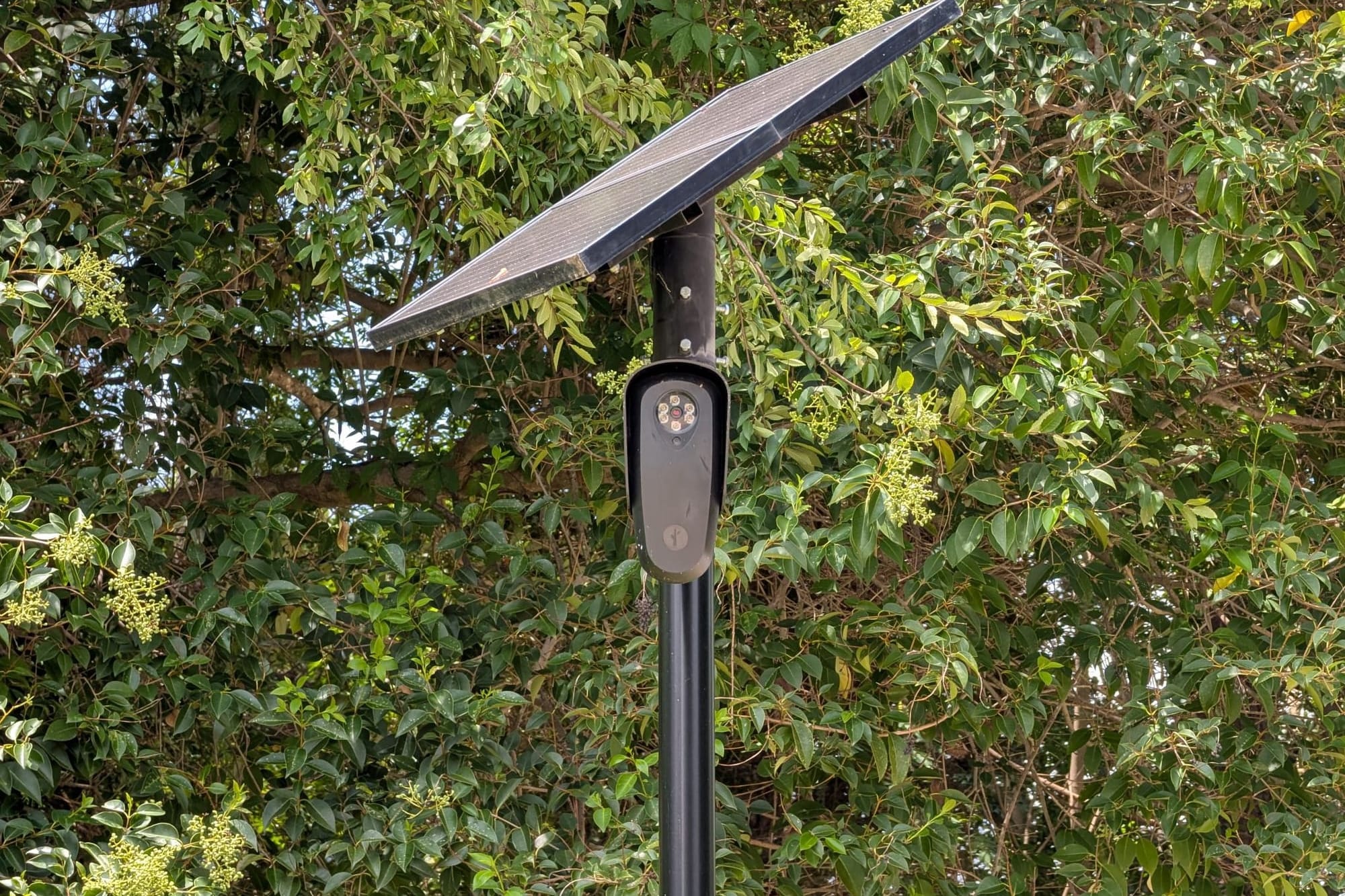
On Tuesday night, the city council of my small town of Irmo, South Carolina, voted to install 22 new Flock cameras. That’ll bring the total up to 33. With a population of only 12,000 or so, it means there’ll be one Flock camera for every 300 residents. That means there will be more Flock cameras in my town than police officers. The city council — the governing body consisting of the mayor and 4 councilpersons — voted for Flock expansion despite presentations from residents about the dangers of what they described as the creeping surveillance state.
The vote for the cameras was a hot topic in local news and South Carolina social media. The city council expected a lot of people to show and asked folks to sign up early if they wanted to talk. Since I work for a publication that has been on the cutting edge of reporting on the myriad problems with Flock cameras, I decided I should probably speak. I spent Tuesday refreshing myself on 404 Media’s reporting and wrote a presentation for the council.
Meetings like this are happening in hundreds of communities across the country and I want to give 404 Media readers a snapshot of what they’re like. There’s a nationwide debate on whether cities and towns want Flock cameras or not and this was my experience speaking at one of the small ones.
There was a hard 3-minute time limit and I had written three pages. I found details about Irmo’s Flock searches in the logs of other states, talked about the specific data security concerns with the cameras, and attempted to explain all the mistakes and false arrests Flock had caused. Three minutes goes by fast, and I ran out of time before I could say everything I had planned.
I wasn’t the only person who decided to speak. More than 10 other citizens went to the podium and spoke out against the cameras. “Is Irmo such a dangerous place that current law enforcement tools are not sufficient to keep the citizens safe without the use of this dangerous and controversial technology?” one guy said.
“I’m pretty enthralled by all the pushback you’re getting on the cameras you installed without asking a single member of the community if they wanted them installed,” said another resident, a man in a T-shirt and shorts. “If you give the government a tool, they will misuse it. Period. End of story. Get rid of them or we will get rid of them for you.”
The city council members looked its residents in the face. They maintained eye contact and appeared shocked when citizens talked about their concerns. For a bit, I thought it was possible that the town might not install these cameras. Then the police chief stood up and explained how he’d used Flock to capture pedophiles and I knew that was probably the end of it.
Police chief Bobby Dale has long been an advocate for the expansion of Flock in town. He told local outlet News19 that 33 cameras will allow him to see all the entrances and exits. “That would ultimately cover pretty much every nook and cranny, every entry point into the town,” he said. “That's what we want. As the chief of police, I've got to make sure our town is safe. I'm learning that with these cameras, with these license plate readers, we're solving crimes and solving them quicker.”
During the city council meeting, Dale explained that Flock cameras had been instrumental in a To Catch a Predator style sting operation Irmo PD conducted. “During an internet crimes against children operation hosted by a department, 15 adults traveled to our community believing they were coming to meet children for sexual activity," Dale said. “Fourteen of those 15 suspects were not from our jurisdiction.”
“So you lured them here. Into our town. Genius,” the T-shirt and shorts guy shouted from the back of the room. This was the guy who’d said the community would remove the Flock cameras if the city didn’t. The mayor had police escort him from the meeting. He left without a fight and Dale finished his speech praising Flock.
After a brief question and answer period with the police chief, the mayor spoke. The city’s leaders had just returned from the Municipal Association of South Carolina annual meeting — a yearly conference of local officials in the state. Mayor Bill Danielson opened his portion of the Flock discussion by talking about how he’d recently commiserated with other mayors at the conference about how mean people were on Facebook.
“I came back with a renewed vigor to be the mayor of this town,” he said. “And knowing that I’m not the only one being abused on Facebook, social media, by some people in this room. It’s going to take a whole lot more than that to sway any position I may or may not have on behalf of these citizens.”
The other thing the mayor learned is that everyone loves Flock. “There was not a mayor at that conference that I touched bases with […] that did not use Flock, did not use Motorola license plate readers,” he said, referring to another company that sells similar technology (we’ve reported ICE is offering demos to its agents to use a Motorola license plate reader app). “Every one of those mayors either wanted Flock, was trying to figure out how to budget for Flock, or had Flock and was figuring out how to increase their presence.”
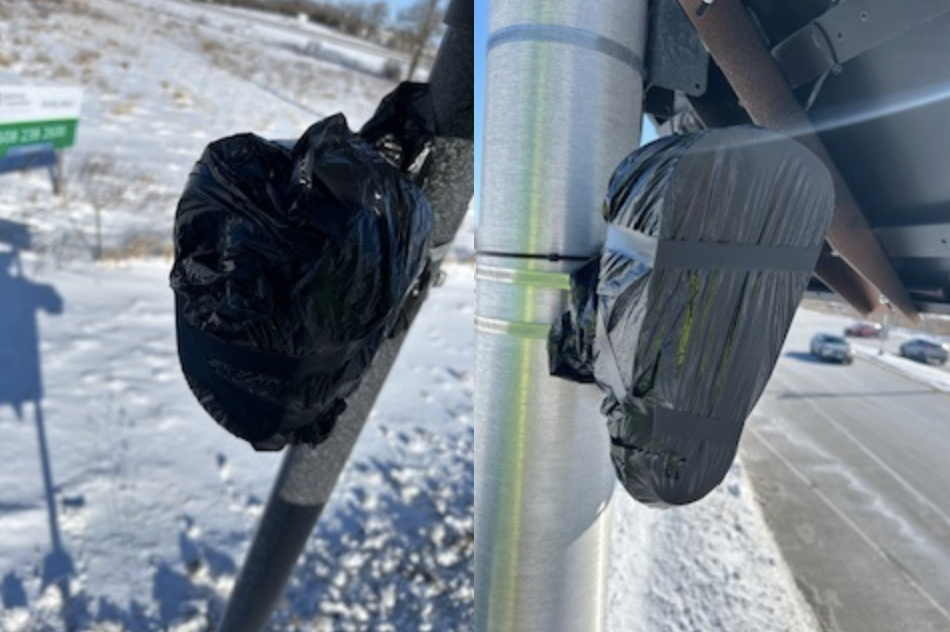
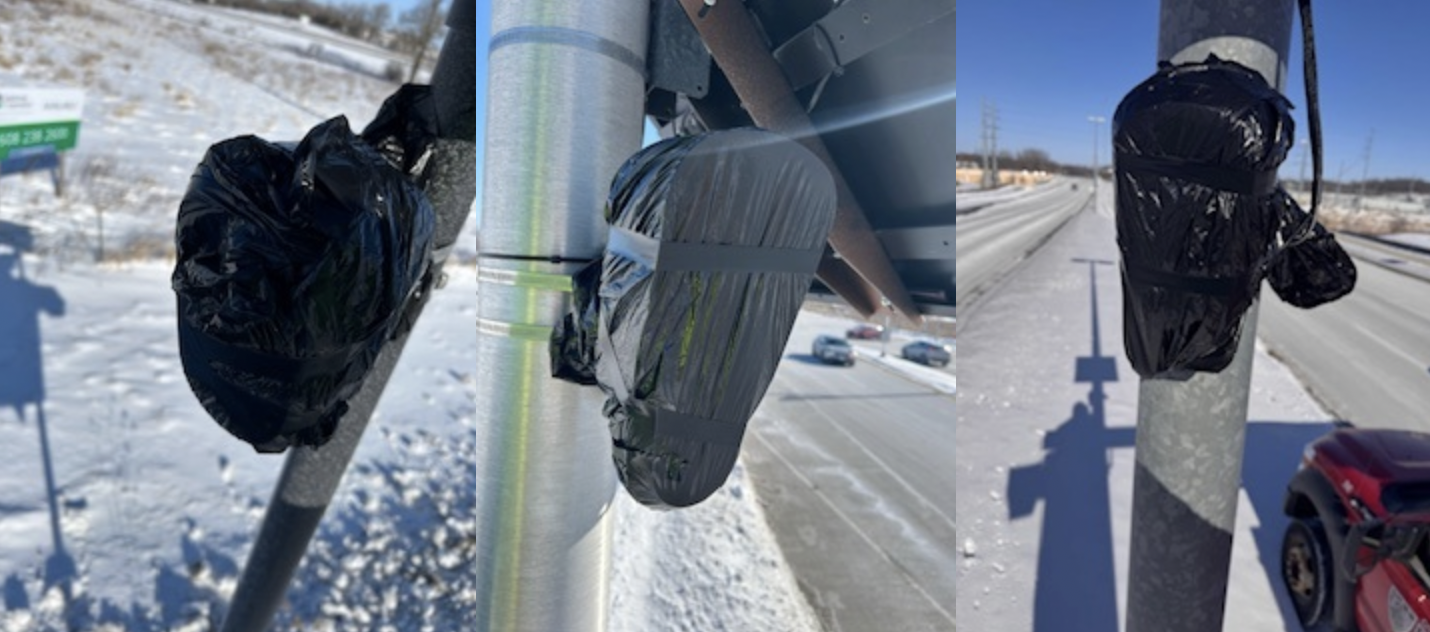
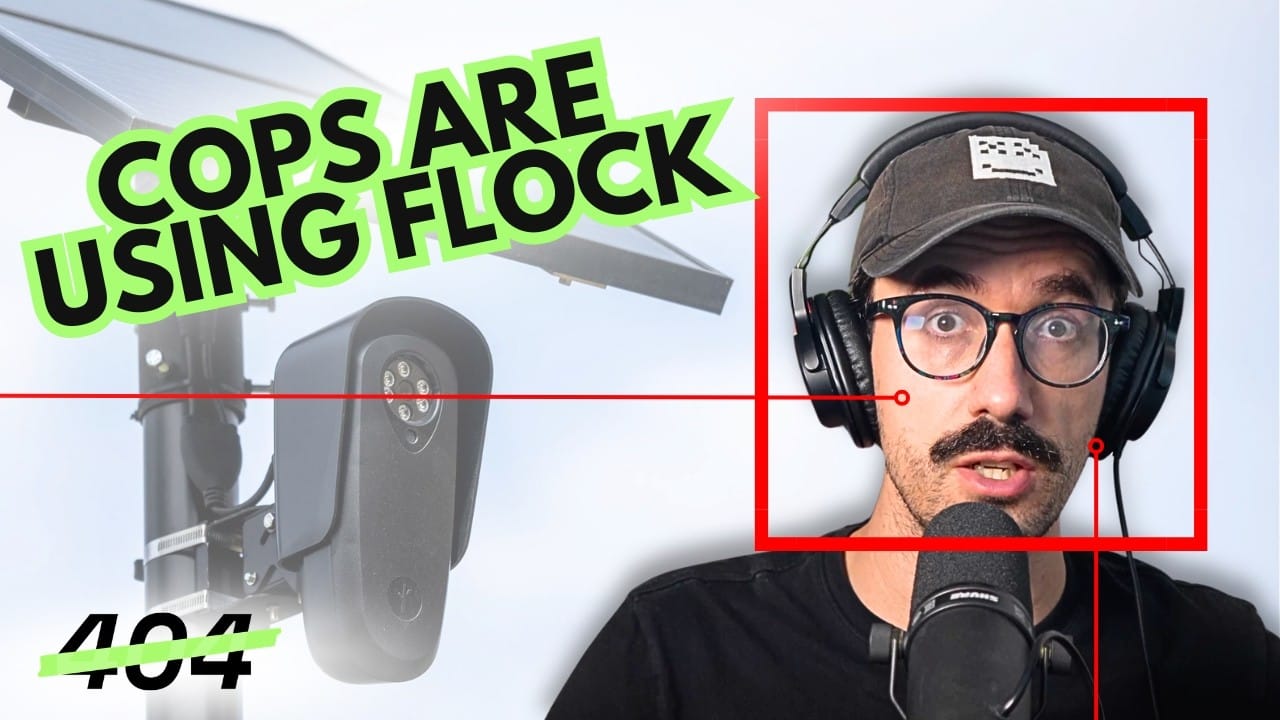
Flock is not, in fact, universally popular among state and local officials. The Los Angeles Police Department just announced it wouldn’t renew its contact with the company after an internal audit found it led to 161 false accusations of car theft and “eroded public trust.” Bandera, Texas, voted to remove its cameras after months of outrage from its citizens. Dayton, Ohio wants their cameras gone but isn’t sure how to cancel the contract so it's covering the cameras with black trash bags. Flock seems unable to remotely disable its own cameras so cities that no longer want them have to find their own solutions.
Cops also often misuse Flock. There are dozens of cases around the country of cops using the system to stalk people. In nearby Greer, South Carolina, two police officers were just fired by the town after they were discovered using Flock to track people around town.
Mayor Danielson said he’d met a leader from Greer at the conference. “I even spoke to a councilmember from Greer, the dreaded Greer […] whose two cops abused it,” Danielson said. “And I told him point blank, if that happened in the town of Irmo they would not only be fired they would never be a cop again and face charges.”
My city council voted 4 to 1 to increase the presence of Flock in this small town of 12,000 people. Police chief Dale will soon have more cameras than officers. And, if they can get money from the state, they may also purchase a drone from Flock to use as part of the company’s “drones as first responder” program.
People weren’t happy. The mood in the room was sour. I’ve attached my entire speech to this story so you can see what I planned to say.
My Flock speech for the city council
Hello.
My name is Matthew Gault and I’m here today to talk about Flock cameras.
I’m a resident of Irmo and I am also an investigative journalist. I work at a publication called 404 Media that focuses on technology.
Over the past few years, my colleagues at 404 Media have written a number of stories about Flock cameras and, before you vote to install 22 more of them in our small town, I want to share the results of some of those investigations with you.
Mr. Ward, I understand you’re concerned about cyber security around the data these cameras collect.
Last month, 404 Media found Flock had accidentally exposed some of the searches performed by law enforcement in its automatic license plate readers. The searches were cached in search engine results. This meant that anyone was able to see what police were looking for. 404 Media conducted some of its own searches and found that Flock had exposed people’s license plate numbers and various search terms like “investigation” and “GTA,” which is short for Grand Theft Auto.
In December of last year, 404 Media found a different and more severe security issue in Flock’s systems. The company had left 60 of its AI-enabled Condor cameras exposed on the open internet.
That meant that anyone could watch them, download 30 days worth of video archives, change settings, see log files, and run diagnostics. My colleagues were able to access Flock’s cameras simply by typing a website into a browser. They did not need a username or a password. There was no great trick to it. Once inside the system they could see playgrounds, parking lots, and people doing their shopping.
These are just two of the security issues we know about.
It’s also worth telling the council how, exactly, Flock’s systems work.
Many of Flock’s license plate reading cameras are connected to local, state, and national networks. When an Irmo police officer runs a search for a specific license place, they may not just be searching the cameras in their jurisdiction. The search can run through the national network of Flock cameras, if configured to do so. This works two ways. Meaning law enforcement officers at a state and federal level searching Flock cameras may have access to Irmo’s data too.
In fact, because many of these cameras are networked and interconnected, I have access to some of the current records about how Irmo, PD is using them.
I know that Irmo, PD has conducted at least 7,576 searches of Flock’s networks since 2023. If you were curious, most of the searches are conducted around 5 PM. Most of the searches happen on Monday. I know that, for some reason, Irmo PD ran 489 searches on December 21, 2025.
I know that on June 30 at 4:36 PM, the Irmo PD ran a search of the Flock system related to a stalking case.
Two days before, on June 28 at 6:45 PM, the police searched Flock in relation to a case of property damage.
On May 22, just before noon, police searched Flock in relation to a financial crime, something that was marked as “embezzlement or fraud” in the system. For this search in particular, Irmo PD accessed cameras outside of its jurisdiction — it widened the search to footage recorded by cameras nation-wide.
Why do I know all this? How is this possible? Because some police departments in the Flock network conduct routine audits of Flock’s search logs. All three of the searches I just noted were in an audit conducted by the city of Twin Falls, Idaho, a city on the other side of the country. I found information about Irmo’s historical Flock use in audits conducted by police in Georgia, Connecticut, Pennsylvania, and California.
Calling Flock’s cameras “license plate readers” is technically true, but can sell the system short. The basic model is recording the license plate of vehicles, automatically logging information about the make and model of the car as well as stickers and any other distinguishing features. Much of this information is recorded by an AI system. It makes mistakes.
This system has led to false arrests or traffic stops. Earlier this month, a journalist for a car magazine was pulled over by police in Minnesota. The cops said they’d been tracking him for days and that the car he was driving was stolen. The tip came from Flock’s systems, which had been alerted to the theft of a car in California. But the AI system had transcribed the license plate incorrectly.
In Colorado, a woman was accused of stealing packages off people’s porches.The police’s evidence that she’d committed the crime was footage pulled from Flock cameras. Bodycam footage published by 404 Media showed how confident officers were that they had their thief.
“I have you on camera doing this […] I get that this is a shock to you, but I am telling you, this is a lock, 100 percent no doubt she did this,” an officer in Colorado said.
The woman had not committed the crime. She had ample evidence she had not committed the crime, but the police in Colorado insisted that Flock cameras do not lie and do not make mistakes. But they had. Her own dashcam exonerated her and police dropped the charges.
Last week, the Los Angeles Police Department announced it would not renew its contract with Flock. In a two month period, LAPD pulled over 161 innocent people acting on tips from Flock cameras.
“Subsequent investigations determined the vehicles were not stolen,” LAPD said in an investigation into its Flock cameras. “In addition to creating an inconvenience for vehicle owners, these inaccuracies can affect individual liberties, erode public trust, and potentially create substantial legal and financial liability concerns.”
These stories are just a small selection of the issues with Flock and I hope the council will consider them before its vote today.